night-sweats-sleep-deprivation

Night Sweats in Men: Causes, Solutions and When to See a Doctor

If you are a man waking up in the middle of the night drenched in sweat, you might feel like you are the only one dealing with it. You are not. Night sweats in men are extremely common, yet almost every article on the subject focuses on menopause, leaving millions of men without useful information about why they are sweating and what they can do about it.

Research shows that night sweats peak in prevalence between the ages of 41 and 55 for both men and women, but men are far less likely to discuss the problem with their doctor. In one study, only 12% of patients who experienced night sweats had reported the symptom to their physician without being specifically asked about it.

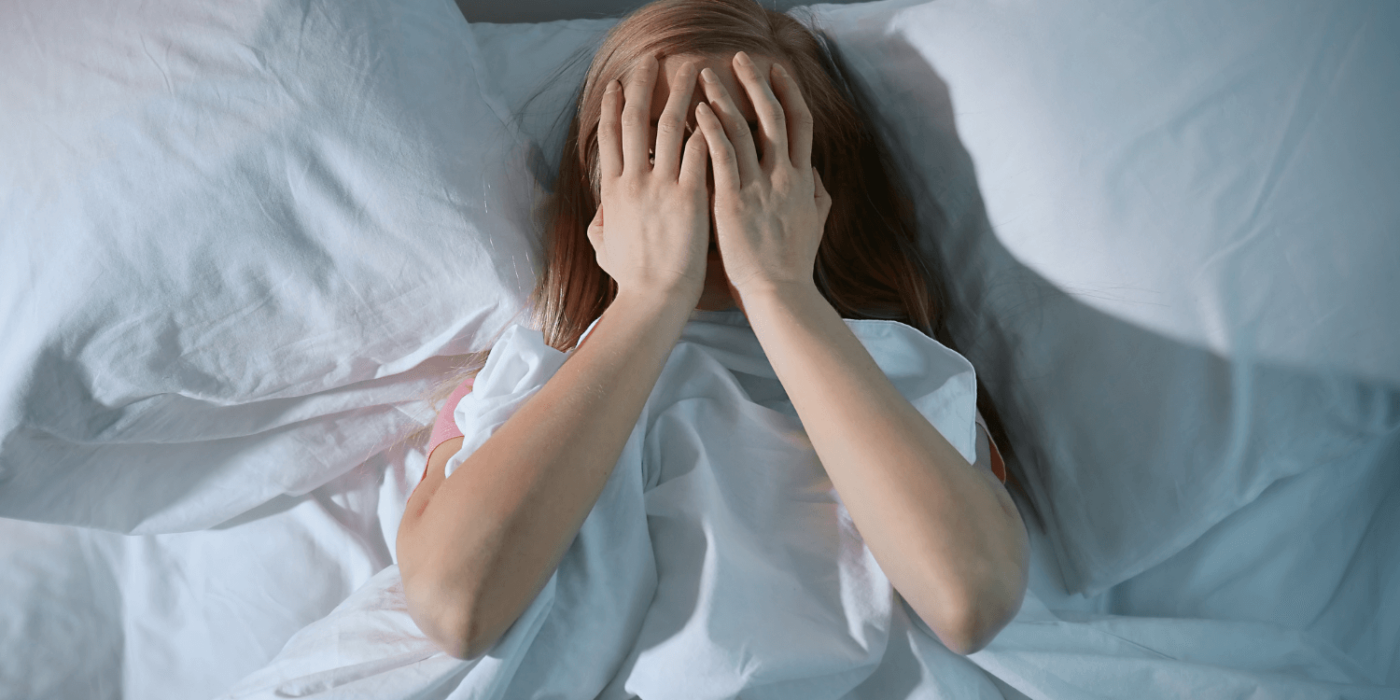
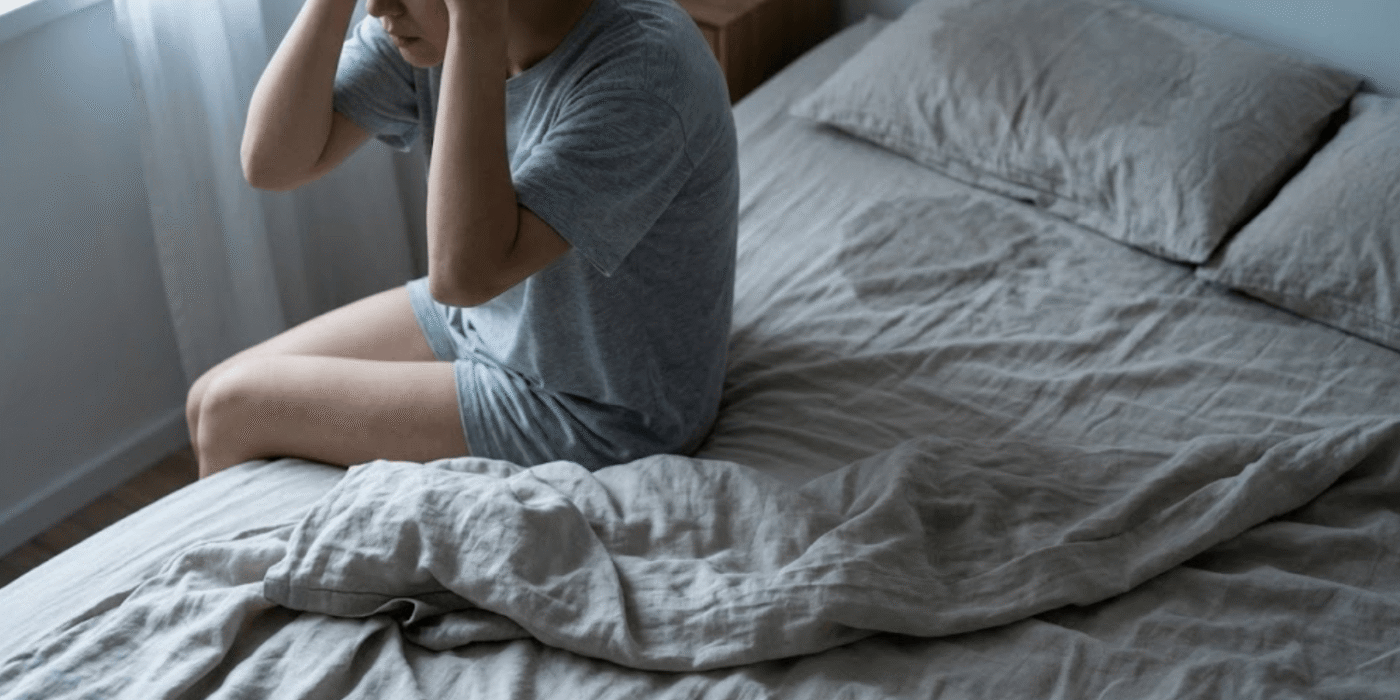
Man sitting on the edge of a bed looking exhausted from sleep deprivation and night sweats.

The causes of night sweats in men range from the straightforward (too much alcohol, stress, the wrong bedding) to the medical (low testosterone, medication side effects, underlying health conditions). This guide covers all of them, along with practical steps you can take tonight to start sleeping better.

Why Do Men Get Night Sweats?

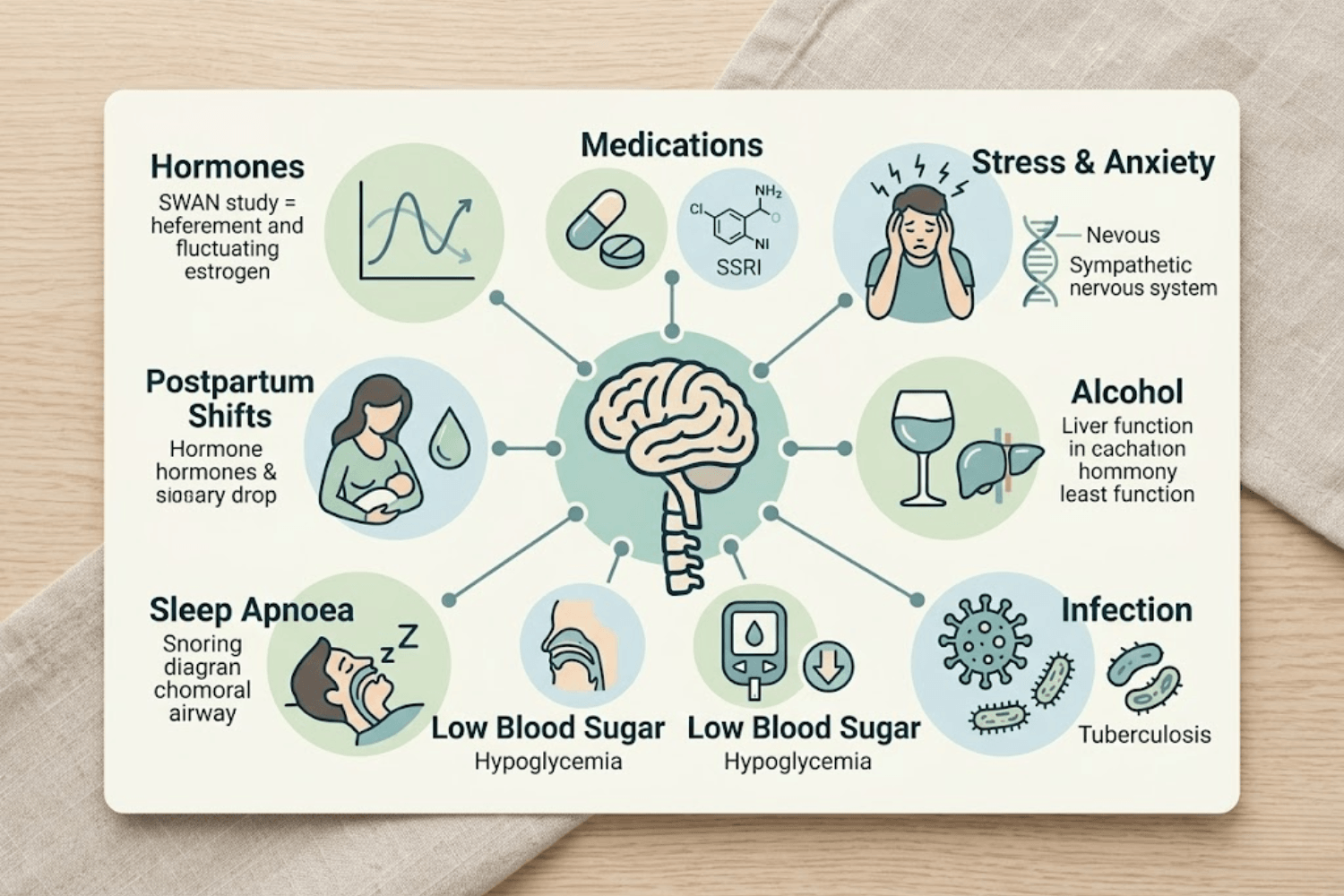
Night sweats happen when your body's temperature regulation system is triggered to produce sweat even though you do not actually need to cool down. This system is controlled by the hypothalamus, a part of your brain that acts like an internal thermostat. When something disrupts the hypothalamus, whether it is hormonal changes, chemical substances, illness, or emotional stress, you sweat.
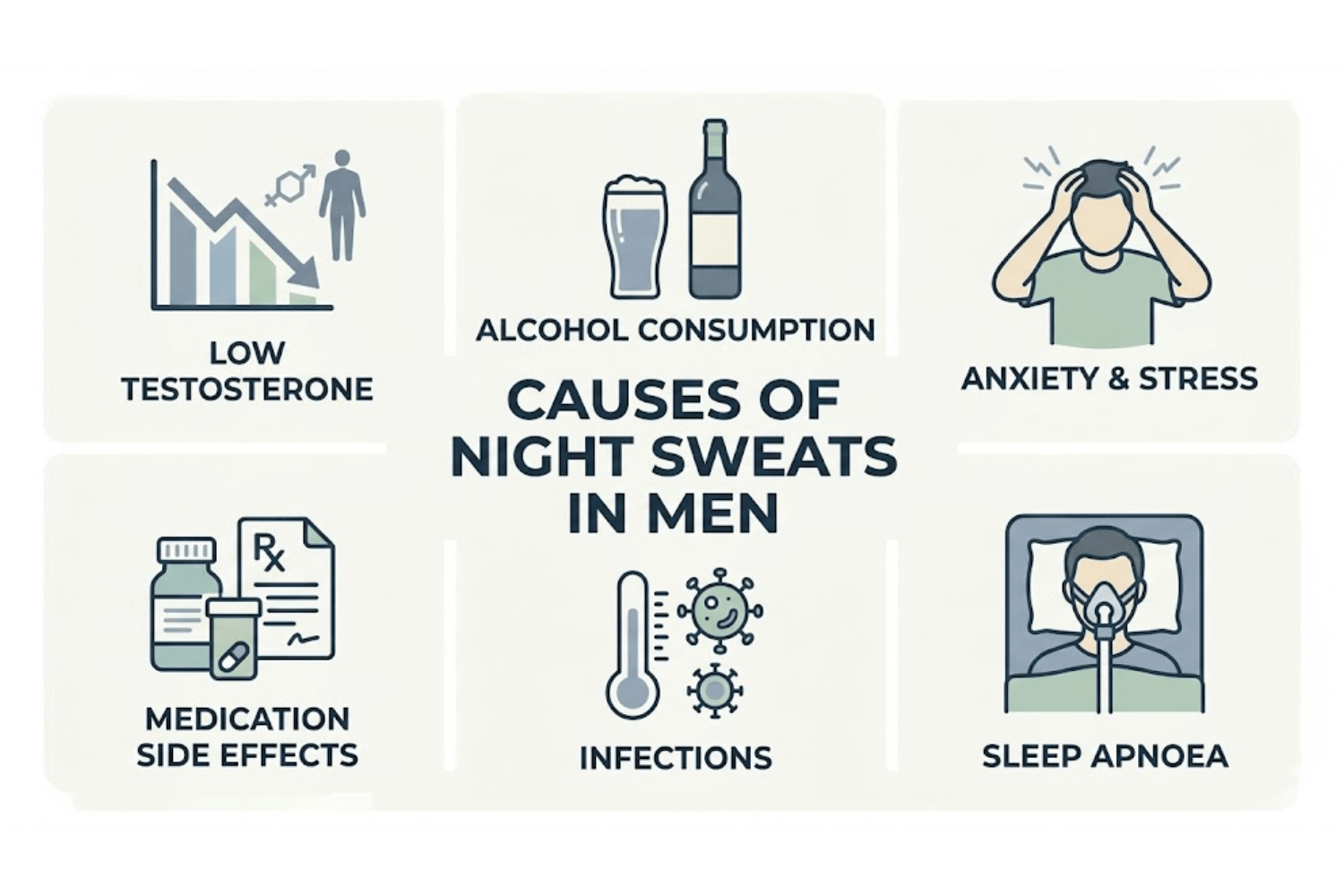
An infographic detailing the various medical and lifestyle causes of night sweats in men.

In men, the most common causes are low testosterone, alcohol, stress, medications, and infections. Less commonly, night sweats can be linked to conditions like sleep apnoea, diabetes, or thyroid problems. Let us go through each one.

Low Testosterone and Night Sweats

Testosterone plays a direct role in how your body regulates temperature. When testosterone levels drop, the hypothalamus can become more sensitive to minor temperature changes and trigger sweating in response to shifts that it would normally ignore.

Testosterone naturally begins to decline in men from around the age of 30, dropping by roughly 1% to 2% per year. By age 45, approximately 40% of men have testosterone levels below the normal range. By 70, that figure rises to around 70%.
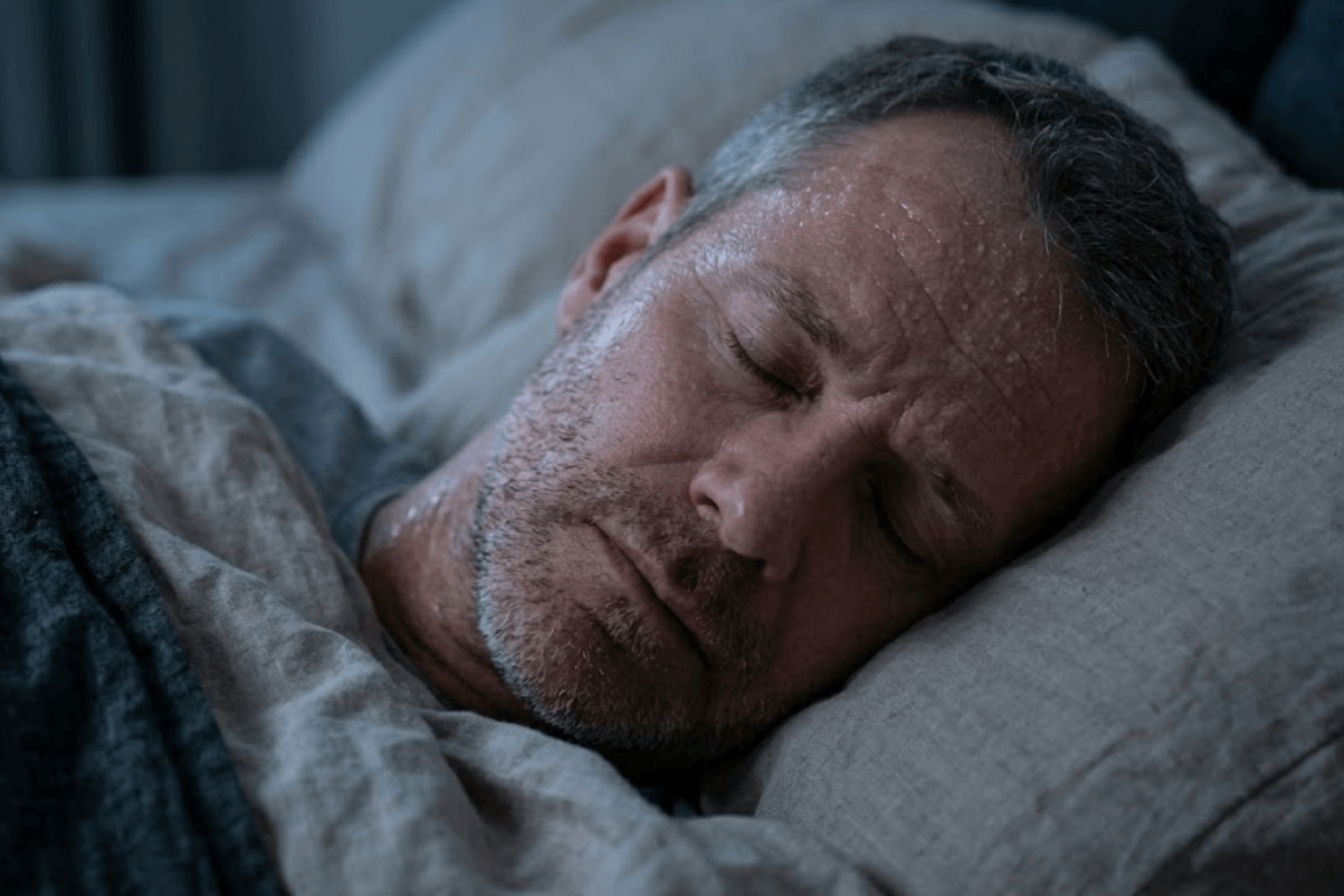
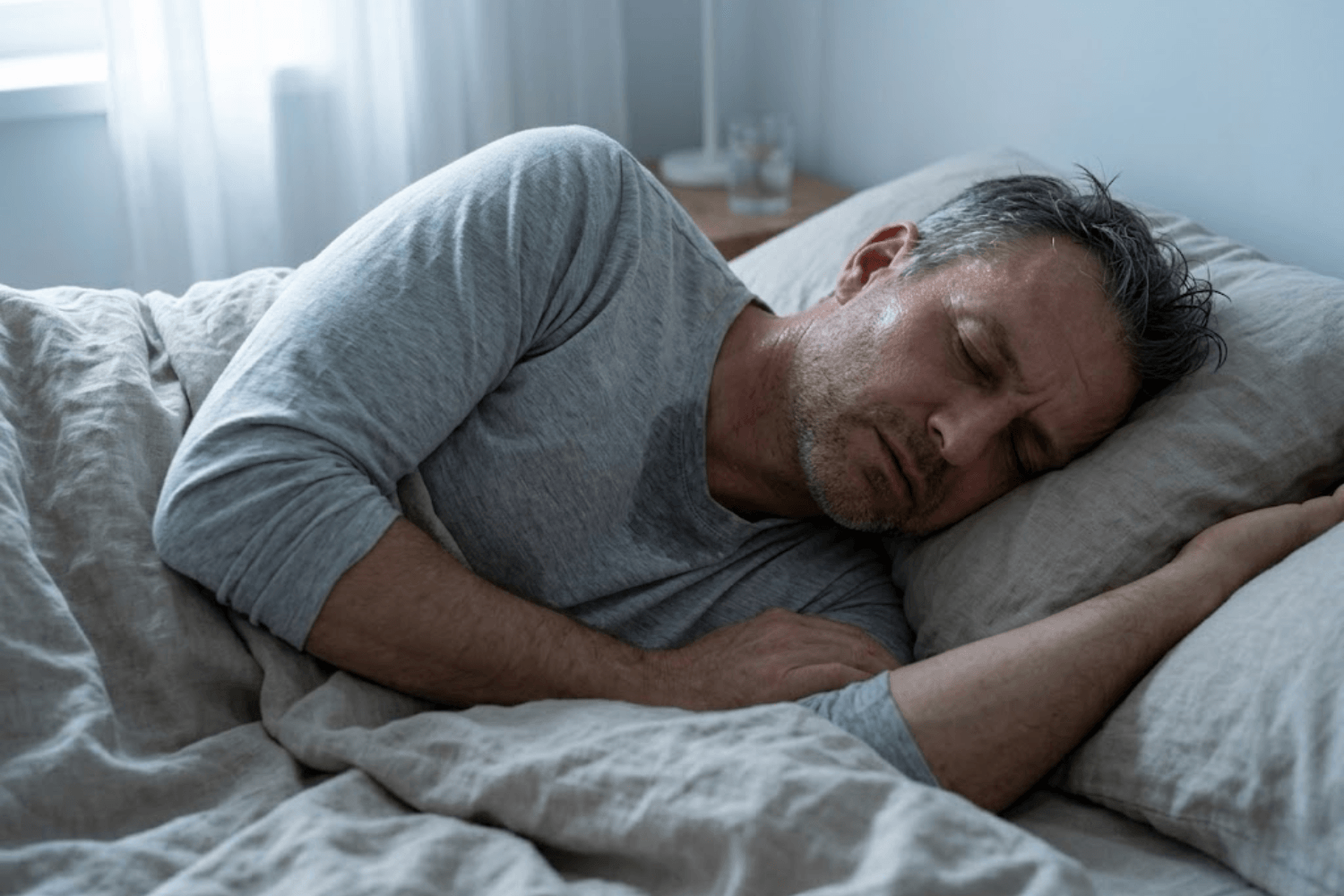
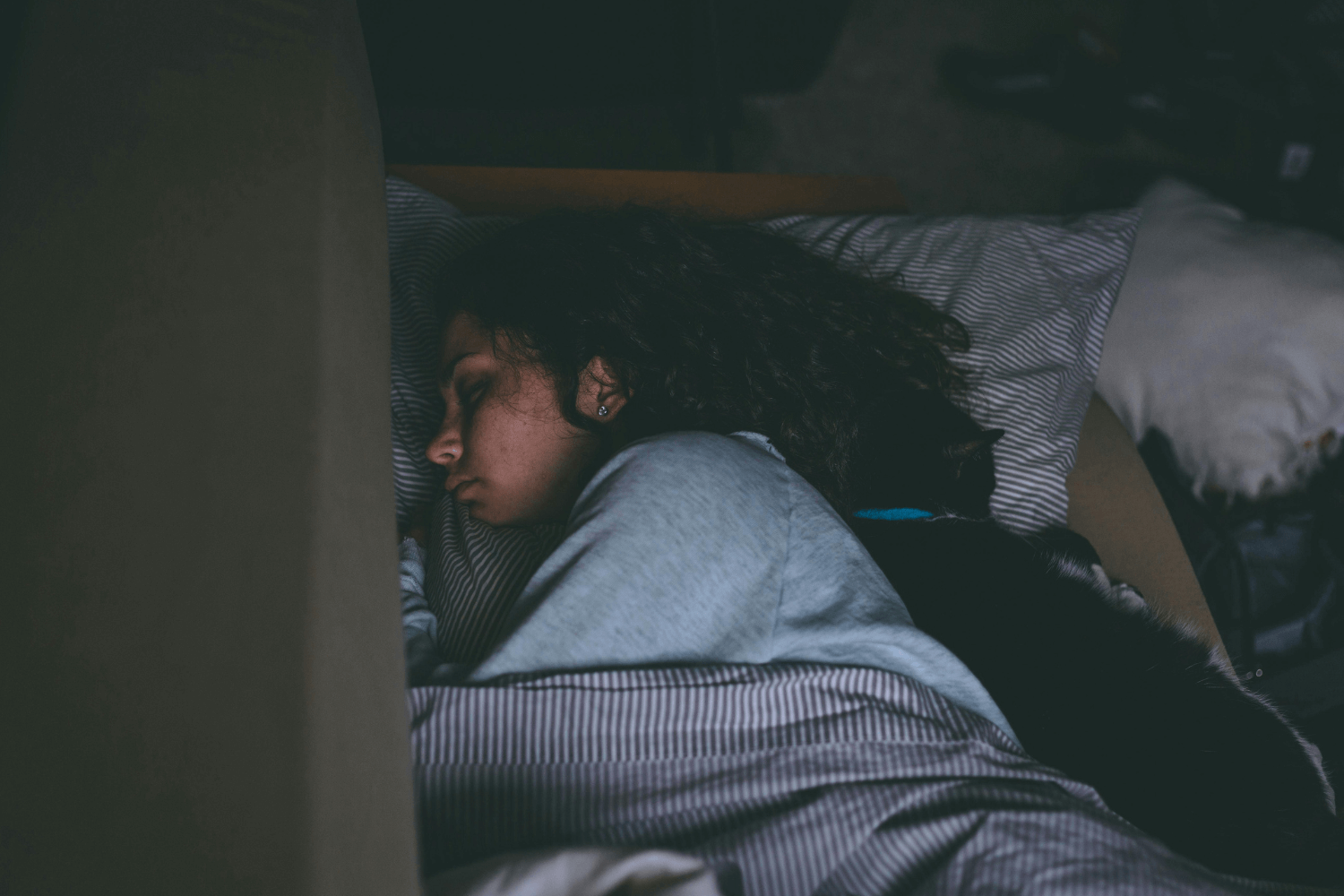
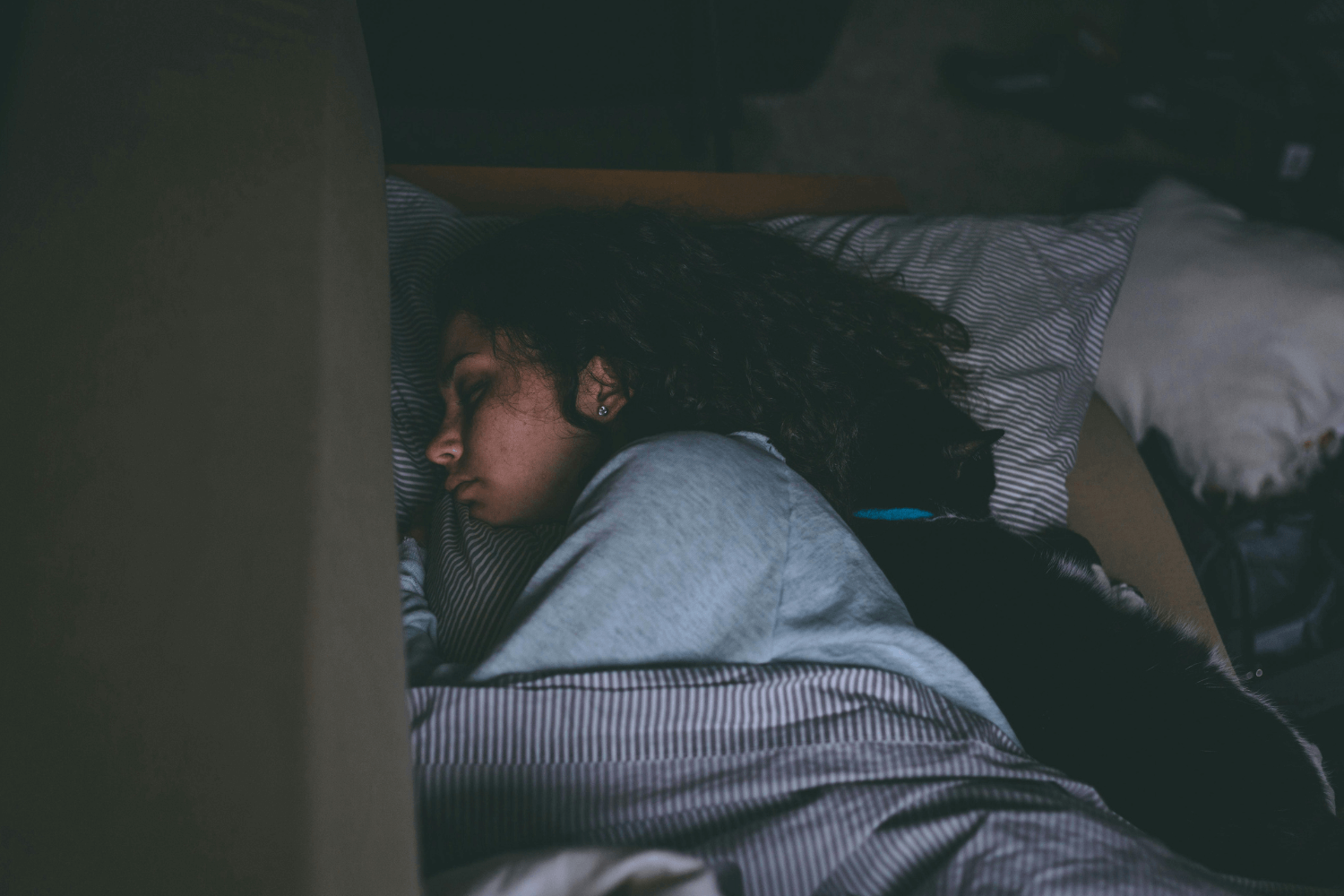
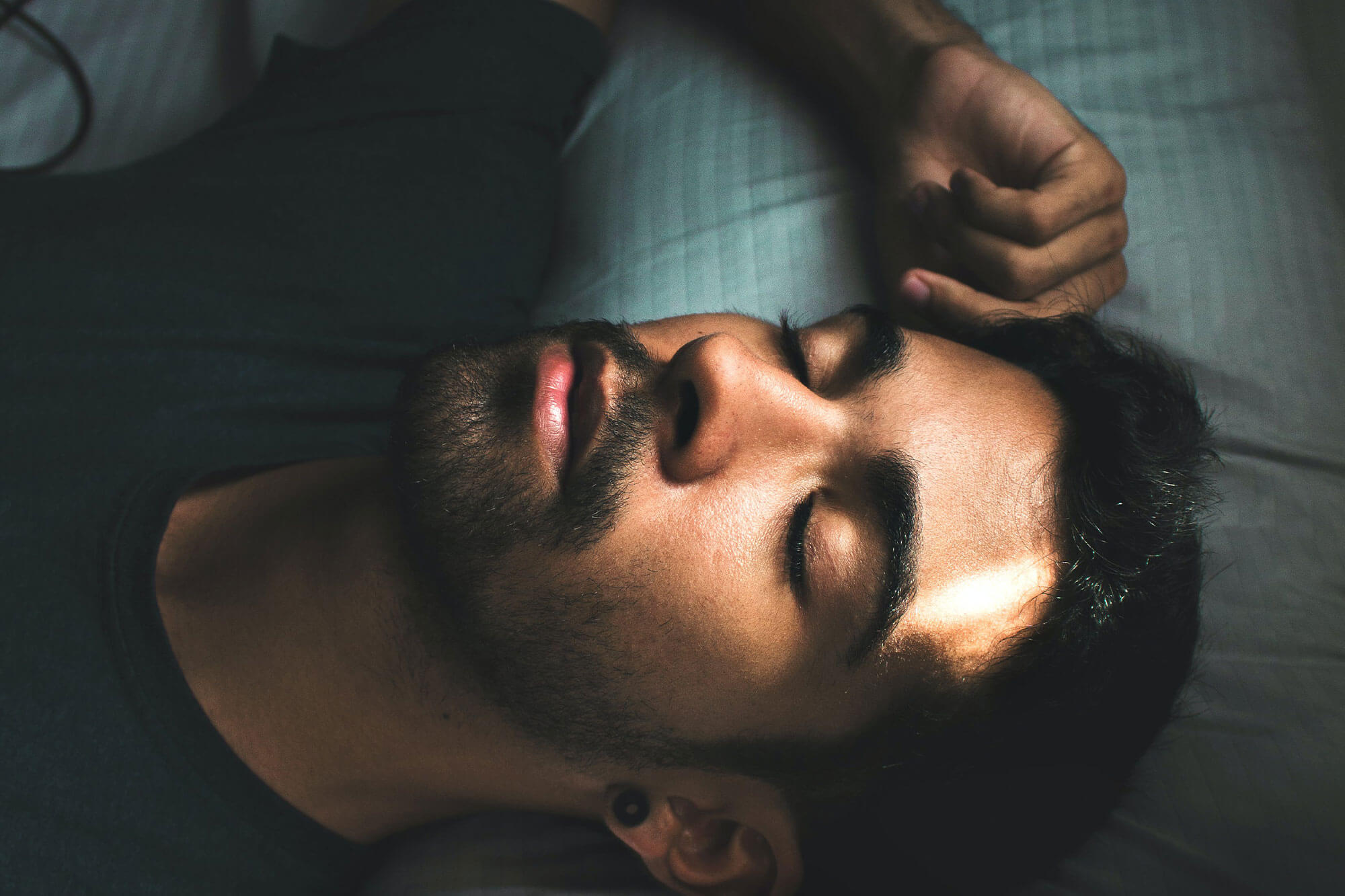
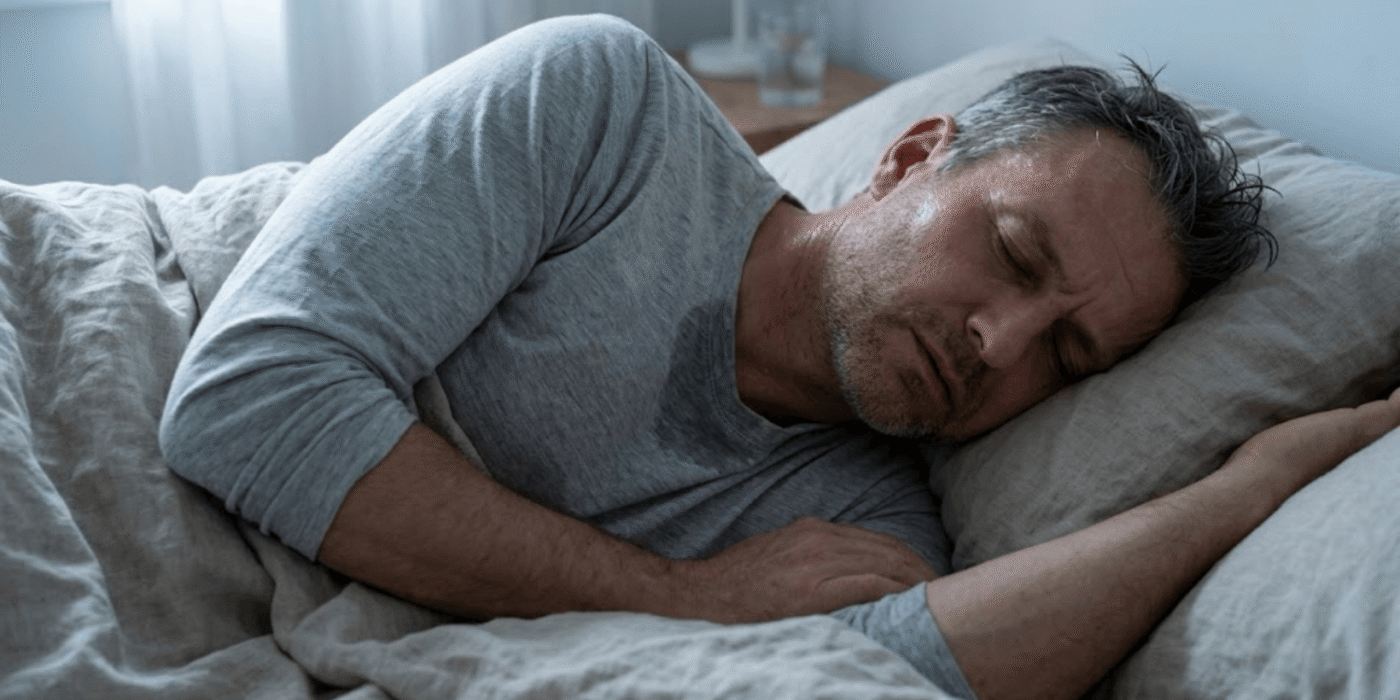
A man over 40 sleeping restlessly due to night sweats.

By the time you reach your 40s or 50s, the decline can be significant enough to cause symptoms, and night sweats are one of the early ones. Other signs of low testosterone include fatigue, low mood, reduced sex drive, difficulty concentrating, and increased body fat.

If you are over 40 and experiencing regular night sweats alongside any of these other symptoms, it is worth asking your GP for a testosterone blood test. Low testosterone is treatable, and addressing it often resolves the night sweats along with the other symptoms.

It is also worth knowing that certain lifestyle factors can accelerate testosterone decline. Poor sleep (ironic, given the sweating), excessive alcohol consumption, obesity, chronic stress, and lack of exercise all contribute to lower testosterone levels. Addressing these factors can help even before you get to the medical options.

Night Sweats, Alcohol and Diet

Alcohol is one of the most common and most overlooked causes of night sweats in men. It does not matter whether you are drinking beer, wine, or spirits. Alcohol causes your blood vessels to dilate, which makes you feel warm initially. Your body then tries to cool down by sweating. On top of that, alcohol disrupts your normal thermoregulation and interferes with blood sugar levels during the night, both of which can trigger further sweating.

You do not need to be drinking heavily for this to happen. Even a couple of pints in the evening can be enough to cause noticeable sweating at night, particularly as you get older and your body becomes less efficient at processing alcohol.

Spicy food and caffeine can also contribute. Both raise your core body temperature, and consuming them within two to three hours of bedtime can increase the likelihood of sweating during the night.

We cover the alcohol connection in full detail in our guide to night sweats after drinking.

Medications That Cause Night Sweats in Men

A number of commonly prescribed medications can cause night sweats as a side effect. If your night sweats started around the same time you began a new medication, or had a dosage change, the medication is a likely culprit.

The most common offenders include antidepressants (particularly SSRIs like sertraline, fluoxetine, and citalopram), blood pressure medications, diabetes drugs, steroids, and hormone treatments. Antidepressants are especially noteworthy because sweating is one of their most frequently reported side effects, affecting anywhere from 8% to 22% of users depending on the specific drug.

If you think your medication is causing night sweats, do not stop taking it without talking to your doctor. There are often alternative medications or dosage adjustments that can help. For a detailed look at specific medications, see our article on antidepressants and night sweats.

Stress, Anxiety and Night Sweats

Stress and anxiety activate your body's fight or flight response, which triggers the release of adrenaline and cortisol. These hormones increase your heart rate, raise your body temperature, and stimulate your sweat glands. During the day, you might notice stress sweat under your arms or on your palms. At night, the same mechanism can cause you to wake up drenched.

Work stress, financial worries, relationship problems, and even just the cumulative effect of daily pressures can all trigger night sweats. The frustrating part is that the sweating itself often causes more anxiety. You start worrying about whether you will sweat again, which raises your stress levels, which makes sweating more likely. It becomes a self reinforcing cycle.

Breaking that cycle usually involves addressing the anxiety rather than just the sweating. A proper evening wind down routine, regular exercise during the day, limiting screen time before bed, and in some cases speaking to a therapist or your GP can all help. Our full guide on night sweats and anxiety covers practical strategies for breaking the cycle.

Sleep Apnoea

Sleep apnoea is a condition where you repeatedly stop breathing for short periods during the night. Each time your breathing stops, your body enters a brief fight or flight state to restart it, and this triggers sweating. Studies have shown that people with untreated sleep apnoea report night sweats about three times more often than the general population.

Sleep apnoea affects around 4% of men compared with 2% of women, and the rate is significantly higher in those who are overweight. An Icelandic study found that people with untreated sleep apnoea were three times more likely to report frequent night sweats (31%) compared with the general population (11%). Sleep apnoea is more common in men, particularly those who are overweight, smoke, or drink alcohol regularly. If you snore heavily, wake up feeling unrested despite getting enough hours of sleep, experience daytime tiredness, or if your partner has noticed you gasping or stopping breathing during the night, it is worth speaking to your GP about a sleep study.

How to Stop Night Sweats in Men

While addressing the underlying cause is the most effective long term strategy, there are practical steps you can take right now to reduce the severity and frequency of your night sweats.

Get your bedroom temperature right. The optimal sleeping temperature is between 16 and 18 degrees Celsius. If your room is warmer than this, your body has to work harder to cool down, and that means more sweat. A fan can help with air circulation even if you do not want a window open.

Switch to breathable bedding. This makes a bigger difference than most people expect. Synthetic sheets and duvets trap heat and moisture against your skin, making sweating worse and creating a damp, uncomfortable sleeping environment. Natural materials like bamboo bedding and eucalyptus bedding are moisture wicking and breathable, which means they pull sweat away from your body and allow it to evaporate rather than pooling against your skin.

Reduce your alcohol intake. Especially in the two to three hours before bed. Even cutting back by one or two drinks can make a noticeable difference.

Stay hydrated during the day. Water helps your body regulate temperature. Dehydration can make night sweats worse because your body has less fluid available for efficient cooling.

Exercise regularly, but not right before bed. Regular physical activity helps regulate your body temperature and reduces stress, both of which can reduce night sweats. But intense exercise within two hours of bedtime can raise your core temperature and make sweating more likely.

Choose the right sleepwear. Loose fitting shorts and a t shirt in natural fabric, or just boxers, will serve you better than synthetic pyjamas. Avoid polyester and nylon entirely.

For a complete guide to practical strategies, see our article on how to stop night sweats.

What Happens to Your Sheets When You Sweat Every Night

This is the part most men do not think about until the problem becomes obvious, usually when their sheets start to smell or develop yellow stains.
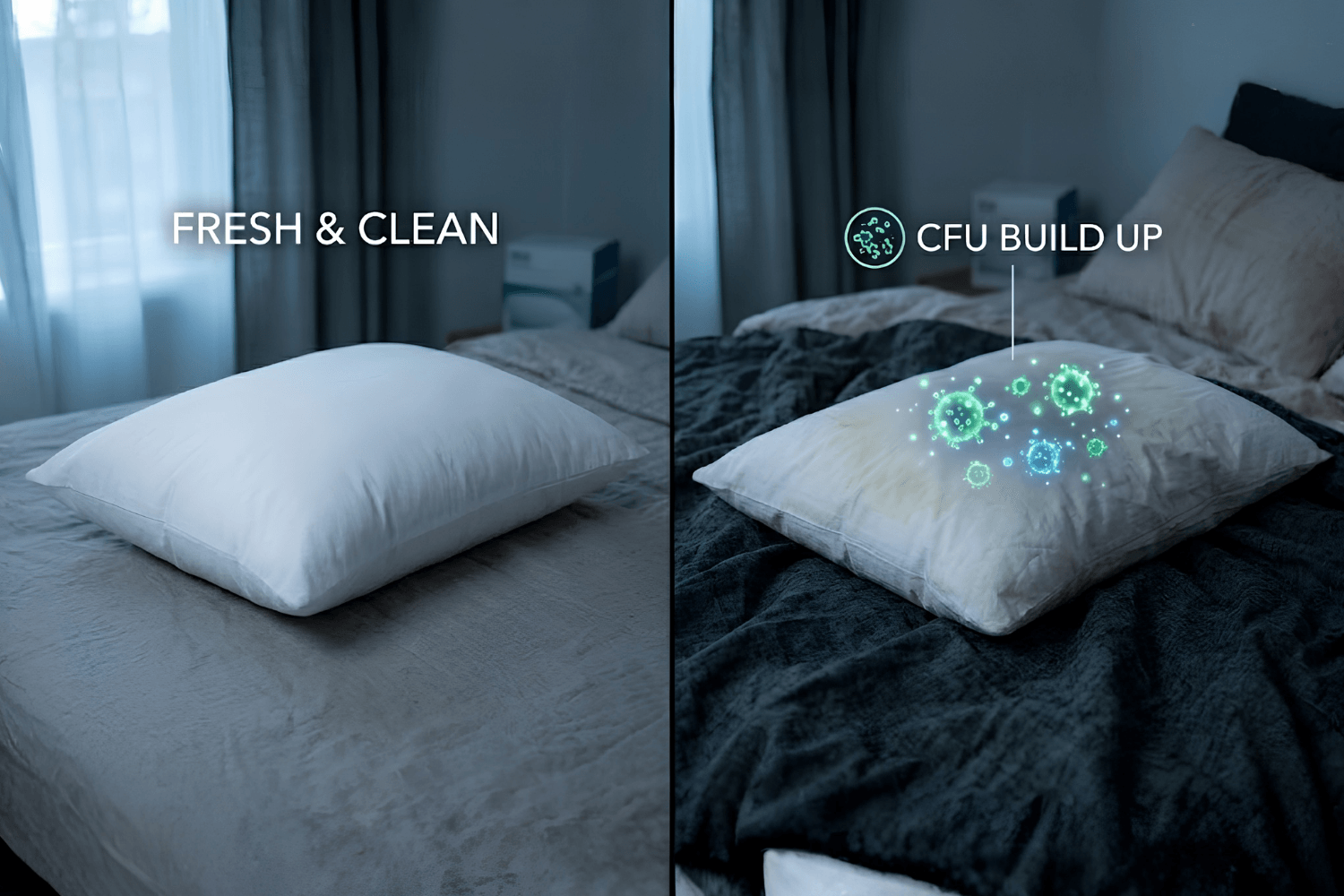
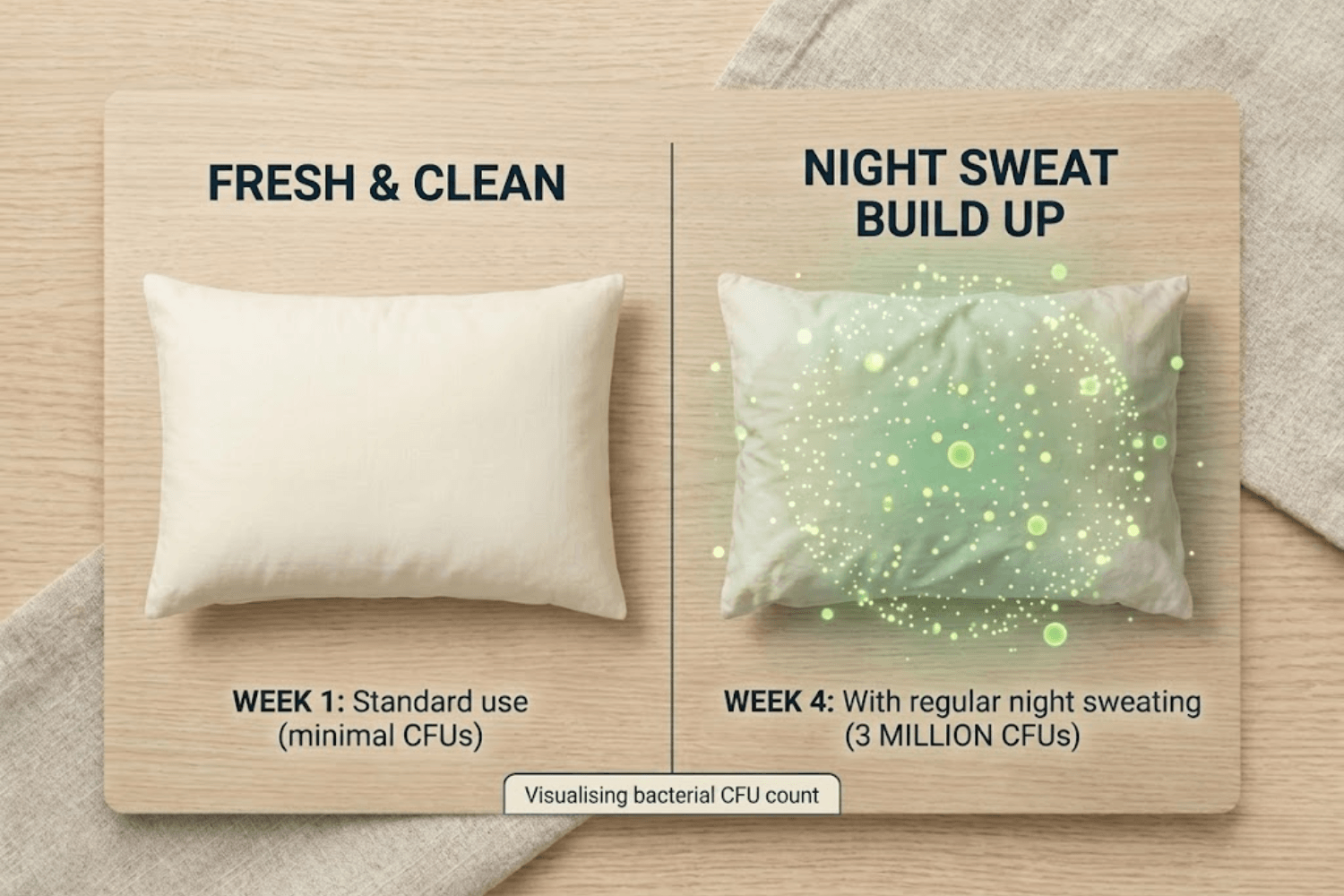
A comparison showing the bacteria buildup on bedding caused by regular night sweats.

When you sweat into your bedding every night, you are creating a warm, damp environment that bacteria thrive in. Research has found that after just one week of use, sheets contain between 3 and 5 million colony forming units of bacteria per square inch. A pillowcase used for one week harbours roughly 17,000 times more bacteria than a toilet seat. The most common bacteria found were gram negative rods, which are associated with pneumonia and infections. The bacteria feed on the proteins and fatty acids in your sweat, and it is this bacterial activity that causes the smell. Sweat itself is actually almost odourless. The sour, vinegar like, or musty smell that builds up on sheets is entirely down to bacteria.

Beyond the smell, this bacterial buildup can also irritate your skin, contribute to breakouts on your back and chest, and generally make your bed feel unpleasant to get into.

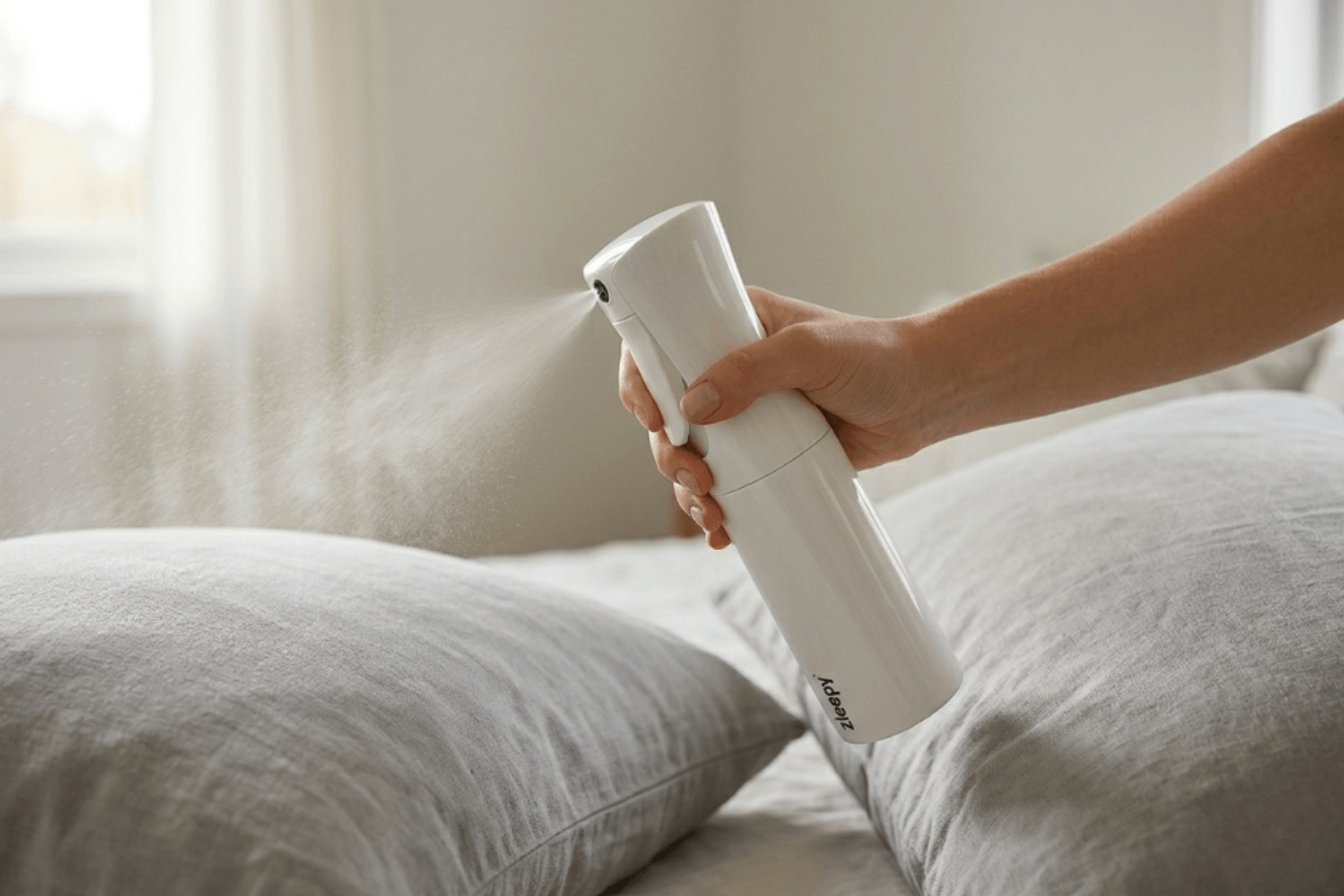
The solution has two parts. First, wash your sheets at least once a week, and more often if you are sweating heavily every night. Second, maintain your bedding between washes. Every morning, pull your duvet back to let everything air out, and use a bedding hygiene spray to tackle the bacteria before they have a chance to multiply. It takes 30 seconds and makes a genuine difference to how your bed feels and smells at the end of the day.
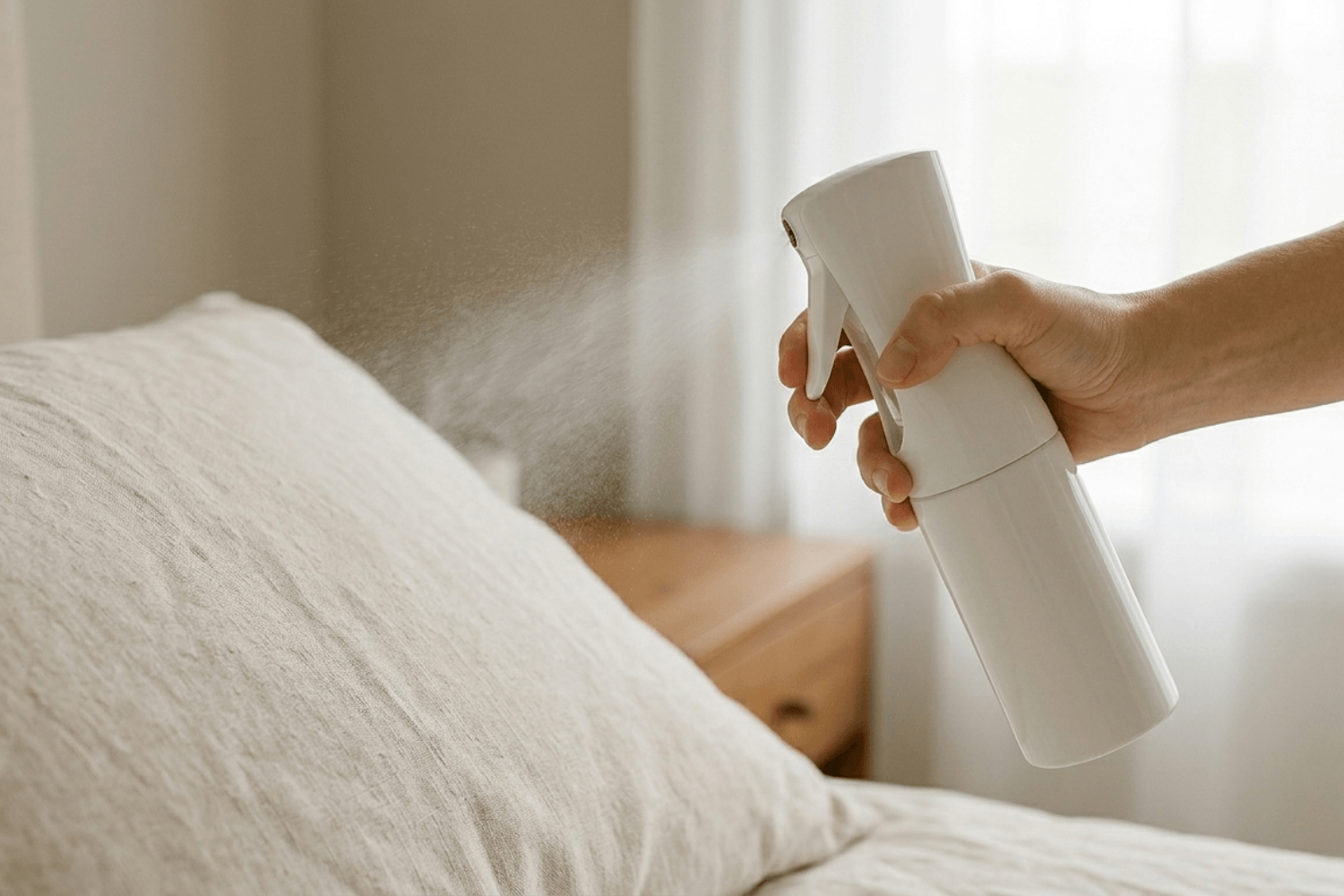
A person incorporating a bedding hygiene spray into their morning routine to combat night sweat bacteria.

For more on washing frequency and between wash maintenance, see our guide on how often you should wash your sheets.

When Should Men Worry About Night Sweats?

The vast majority of night sweats in men have a straightforward explanation and are not a sign of anything serious. But there are some situations where you should see your GP.

Make an appointment if your night sweats are persistent and drenching (soaking through your clothes and sheets most nights), if they are accompanied by unexplained weight loss, if you have a persistent fever, if you have noticed any lumps or swelling particularly in your neck, armpits, or groin, or if you feel unusually fatigued.

Night sweats can occasionally be associated with more serious conditions. Lymphoma is the cancer most commonly linked to night sweats, and it can affect men of any age. Prostate cancer and kidney cancer can also cause night sweats in some cases. However, cancer is only one of many possible causes, and it is rarely the explanation. Your doctor will typically start with a blood test and a review of your medical history, and in most cases the cause turns out to be something far more manageable.

Do not let fear of a serious diagnosis stop you from getting checked out. Early assessment is always better than worrying in silence. For a full guide to red flags and what your doctor will check, see our article on when to worry about night sweats.
night-sweats-in-men-over-40

Night Sweats: Causes, Solutions and How to Keep Your Bedding Fresh

Night sweats are far more common than most people realise. A study published in the Journal of Family Practice found that 41% of over 2,200 primary care patients reported experiencing night sweats within the previous month.

A systematic review of the research put the prevalence at between 10% and 41% depending on the population studied, with the highest rates occurring in people aged 41 to 55. Only 12% of those affected ever mentioned it to their doctor, which means millions of people are dealing with this silently.

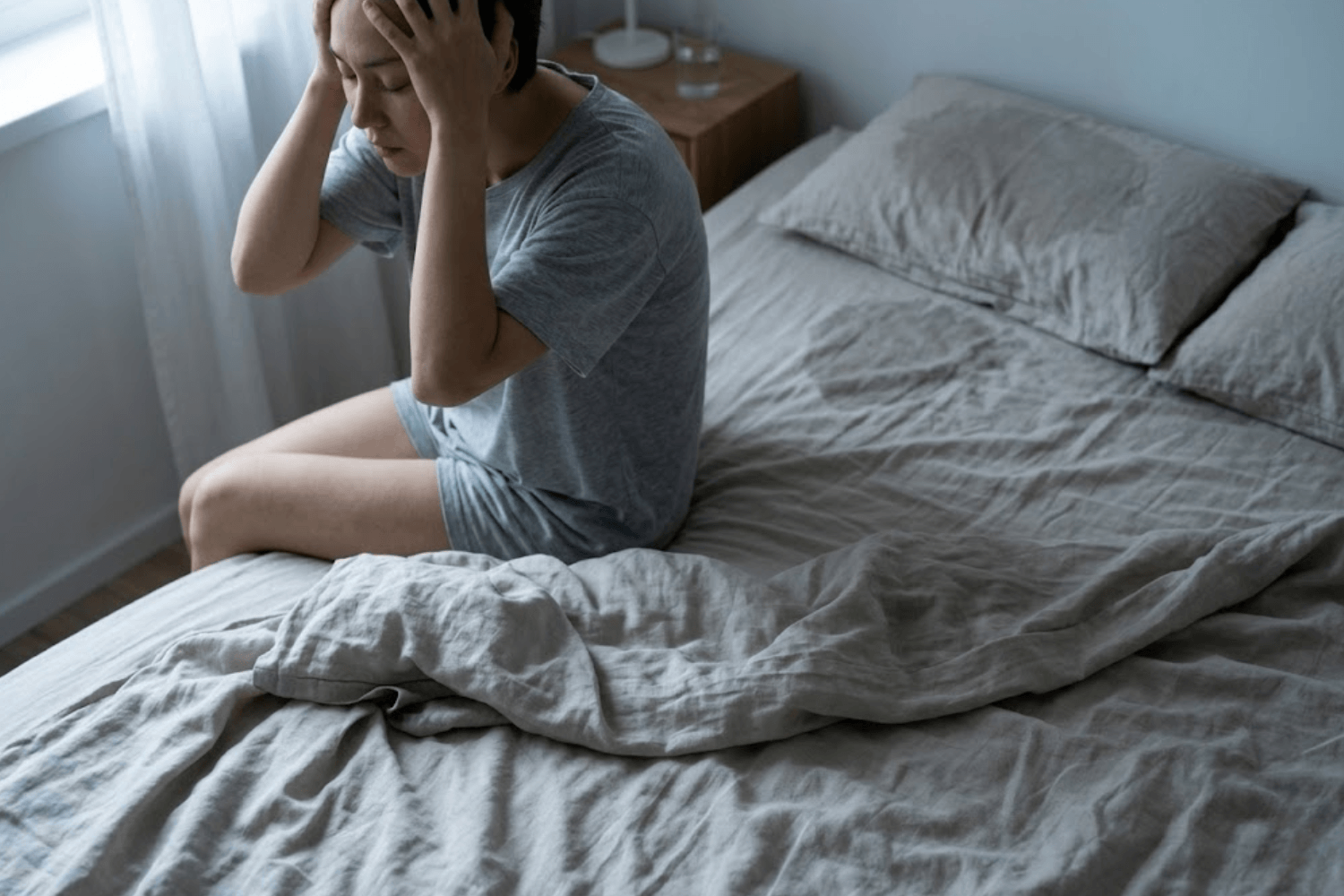
Person sitting on a bed struggling with night sweats and damp bedding.

Waking up in the middle of the night drenched in sweat is one of the most uncomfortable sleep experiences there is. Your sheets are damp, your pillow feels wrong, and even after you cool down it takes ages to fall back to sleep.

If this sounds familiar, you are not alone. Research suggests that up to 40% of people visiting their GP report experiencing night sweats at some point, and the real number is likely higher because many people never mention it to their doctor.

Night sweats are different from simply being too warm in bed. Everyone gets a bit sweaty on a hot summer night or under a thick duvet, but true night sweats happen regardless of your bedroom temperature.

They are caused by internal factors, not external ones, and they can leave your clothes and bedding completely soaked. This guide covers everything you need to know about night sweats, from what causes them to how to manage them, and importantly, what to do about your bedding when sweating at night is a regular occurrence.

What Are Night Sweats?

Night sweats refer to repeated episodes of excessive sweating during sleep that are severe enough to soak through your nightclothes and sheets.

The key distinction is that night sweats are not caused by your sleeping environment. If your bedroom is too hot or your duvet is too thick, that is just overheating. Night sweats happen even when the room is cool and your bedding is light.

Your body temperature naturally dips during sleep as part of your circadian rhythm. Sweating is your body's way of regulating that temperature, controlled by a part of the brain called the hypothalamus.

When something disrupts this system, whether it is hormones, medication, illness, or stress, the hypothalamus can trigger sweating even when your body does not actually need to cool down.

Most people who experience night sweats find them uncomfortable and disruptive, but in the majority of cases they are not a sign of anything serious. That said, persistent night sweats that come with other symptoms should always be checked by a doctor.

Infographic showing various causes of night sweats including hormones, medications, stress, and sleep apnoea.

What Causes Night Sweats?

There is no single cause of night sweats. They can be triggered by a wide range of factors, and sometimes by a combination of several at once. Here are the most common reasons people sweat excessively at night.

Hormonal changes

Around 75% of women going through perimenopause and menopause experience hot flushes and night sweats, with approximately 30% experiencing severe symptoms. The SWAN study (Study of Women's Health Across the Nation), which followed over 3,300 women, found that vasomotor symptoms last an average of 7.4 years.

Women who started experiencing symptoms before their periods stopped had them for an average of 9 to 10 years as their oestrogen levels fluctuate. But hormonal night sweats are not limited to menopause. They also commonly occur during perimenopause, pregnancy, the postpartum period, and even before menstruation.

In men, declining testosterone levels can have a similar effect on thermoregulation, particularly from the age of 40 onwards. For a detailed look at how these work, see our guides on night sweats in women and menopause and night sweats in men.

Medications

A surprisingly long list of common medications can cause night sweats as a side effect. Antidepressants are among the most frequent culprits, with SSRIs like sertraline and fluoxetine affecting between 8% and 22% of users.

Other medications that can trigger sweating at night include blood pressure drugs, diabetes medications, steroids, hormone treatments, and even over the counter painkillers like ibuprofen. If you suspect your medication might be causing night sweats, never stop taking it without speaking to your GP first. We cover this in more detail in our article on antidepressants and night sweats.

Anxiety and stress

Stress activates your sympathetic nervous system, the fight or flight response, and this can trigger sweating during sleep just as easily as it does during a stressful moment in the day.

Anxiety and night sweats often create a vicious cycle: the anxiety causes the sweats, the sweats disrupt your sleep, and the disrupted sleep makes your anxiety worse. Read more in our article on night sweats and anxiety.

Alcohol

Even moderate drinking can cause night sweats. Alcohol causes your blood vessels to dilate, which initially makes you feel warm, and then your body overcompensates by sweating.

It also disrupts your normal temperature regulation and affects blood sugar levels, both of which can trigger sweating during sleep. Our guide on night sweats after drinking explains this in full.

Infections and illness

Bacterial and viral infections commonly cause night sweats as your body fights off the invader. This is most noticeable with the flu, where night sweats can be intense for several days.

Tuberculosis is historically associated with night sweats, though it is rare in the UK. Some ongoing infections can cause persistent sweating at night.

Low blood sugar

When blood sugar drops too low, your body releases adrenaline to bring it back up. That adrenaline surge can cause sweating, particularly at night.

This is especially common in people with diabetes, but can also affect anyone who goes to bed on an empty stomach or after heavy exercise. See our article on when to worry about night sweats for more on this.

Sleep apnoea

People with untreated sleep apnoea repeatedly stop breathing during the night. An Icelandic cohort study of 822 sleep apnoea patients found that 31% reported frequent nocturnal sweating, which was three times higher than the 11% rate in the general population.

The study also found that sweating decreased to general population levels once patients began successful treatment with positive airway pressure therapy. Each time, the body goes into a brief fight or flight state to restart breathing, and this can trigger sweating. If you snore heavily and wake up sweating, it is worth mentioning both symptoms to your doctor.

Postpartum hormonal shifts

New mothers frequently experience intense night sweats in the weeks after giving birth. This is caused by the dramatic drop in oestrogen and progesterone after delivery, combined with the body shedding excess fluid retained during pregnancy.

It typically resolves within a few weeks but can persist longer in women who are breastfeeding. We have a full guide on night sweats after pregnancy.

Night Sweats in Women

Women are disproportionately affected by night sweats, largely because of the hormonal changes that occur throughout their lives. Menstruation, pregnancy, perimenopause, and menopause all involve significant hormonal fluctuations that can disrupt the body's temperature regulation.

The most common trigger is menopause, where declining oestrogen levels cause the hypothalamus to become more sensitive to temperature changes. This leads to hot flushes during the day and drenching sweats at night.

But many women also experience night sweats in the days before their period, during early pregnancy, and while breastfeeding. Sweating around the neck and chest at night is particularly common in women going through hormonal changes, as the neck and chest area has a high concentration of sweat glands and blood vessels close to the skin surface.

For a complete breakdown of causes and solutions, read our full guide on night sweats in women and menopause. If you are looking for bedding specifically designed for menopausal night sweats, take a look at our bedding for the menopause collection.

A man over 40 experiencing night sweats in bed.

Night Sweats in Men

Night sweats in men are more common than most people realise. With over 13,000 monthly searches in the UK alone for terms related to male night sweats, it is clear that a lot of men are dealing with this problem.

Yet most of the content online focuses almost exclusively on menopause, leaving men without much useful information. Common causes of night sweats in men include low testosterone (which can begin declining from the mid 30s), alcohol consumption, stress, medications, infections, and sleep apnoea.

Low testosterone in particular can cause disrupted thermoregulation that leads to night sweats, and it is worth getting tested if you are a man over 40 experiencing regular night sweats alongside fatigue or low mood. Our full guide on night sweats in men covers all the causes, practical solutions, and when to see your doctor.

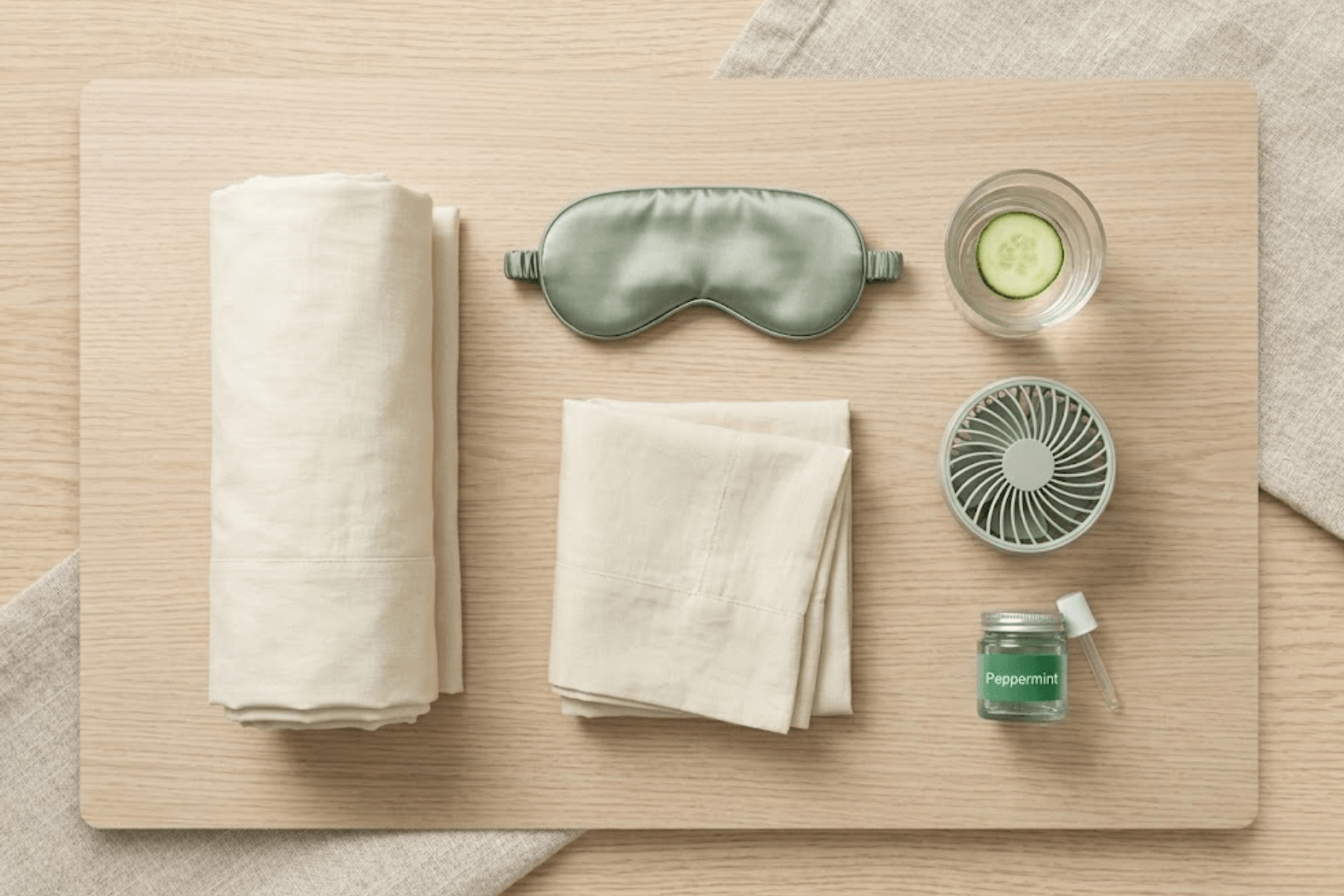
A collection of remedies for night sweats, including a fan, water, and breathable bedding.

How to Stop Night Sweats

While the underlying cause of your night sweats will determine the most effective long term solution, there are practical steps that can help reduce their frequency and severity regardless of the cause.

Keep your bedroom cool. The ideal sleeping temperature is between 16 and 18 degrees Celsius. Use a fan, open a window, or adjust your thermostat. This will not cure night sweats caused by hormonal or medical factors, but it gives your body less work to do.

Watch what you eat and drink before bed. Alcohol, caffeine, and spicy food can all raise your core body temperature and trigger sweating. Try cutting these out for two to three hours before bedtime and see if it makes a difference.

Wear breathable sleepwear. Loose fitting pyjamas in natural fabrics like bamboo or cotton are far better than synthetic materials. Or if you prefer, sleeping with less on can help too.

Manage stress. If anxiety is contributing to your night sweats, establishing a proper wind down routine before bed can help. This might include putting your phone away an hour before sleep, doing some light reading, or practising breathing exercises. Our article on night sweats and anxiety goes into this in more detail.

Use a sleep mask that does not trap heat. If you use a sleep mask, make sure it is not making things worse. Synthetic sleep masks can make your face sweat. A silk sleep mask is naturally temperature regulating and breathable, so it blocks light without adding heat.

For a complete list of practical tips, see our full article on how to stop night sweats.

Keeping Your Bedding Fresh When You Sweat at Night

A visual comparison showing bacteria buildup on bedding over time due to night sweats.

This is the part that most night sweats articles ignore, and it is arguably the part that affects your daily comfort the most. When you sweat into your sheets every night, bacteria begin to multiply rapidly.

Your bedding becomes a warm, damp environment that is ideal for bacterial growth, and this happens much faster than it would for someone who does not sweat at night. A study by Amerisleep found that after just one week of use, pillowcases contain around 3 million colony forming units (CFUs) of bacteria per square inch.

That is roughly 17,000 times more bacteria than a toilet seat. By four weeks, that number climbs to nearly 12 million CFUs. The most common bacteria found were gram negative rods, which are associated with pneumonia and other infections. If you are sweating heavily, the buildup is even faster.

This bacteria is what causes your sheets to smell. Sweat itself is actually odourless. It is the bacteria feeding on your sweat that produces the unpleasant odours, whether that is a sour smell, a vinegar like smell, or just general staleness. We go into the science of this in our article on why your sheets smell.

The obvious solution is to wash your sheets more often, and we would recommend at least once a week as a minimum. But realistically, most people cannot strip and wash their bedding every day, especially new parents, busy professionals, or anyone who simply does not have the time or energy.

That is where a daily bedding routine comes in. Every morning, pull your duvet back to let your bedding air out. Open a window if you can. And use a bedding hygiene spray to tackle the bacteria that have built up overnight.

It takes about 30 seconds, it keeps your bedding fresh and hygienic between washes, and it makes a noticeable difference to how your bed feels and smells when you get back into it that night. Think of it like brushing your teeth. You would not skip brushing just because you are going to eat again tomorrow. Your bedding is something you press your face against for eight hours every night. It deserves the same daily attention.

Someone applying bedding hygiene spray to their pillow as part of a daily routine.

When Should You See a Doctor About Night Sweats?

Most night sweats are caused by benign factors like hormonal changes, stress, alcohol, or your sleep environment. But there are some situations where night sweats should prompt a visit to your GP.

You should make an appointment if your night sweats are persistent and drenching (soaking through your clothes and sheets regularly), if they are accompanied by unexplained weight loss, if you have a persistent fever or cough, if you notice any lumps or swelling, or if you feel unusually fatigued alongside the sweating.

Night sweats can occasionally be associated with more serious conditions including certain infections, thyroid problems, and in rare cases, some types of cancer such as lymphoma. However, it is important not to jump to conclusions. In the vast majority of cases, night sweats have a straightforward explanation and are very manageable.

For a full breakdown of what to look out for and what your doctor will check, read our guide on when you should worry about night sweats.
Living With Night Sweats

Night sweats can be frustrating, but for most people they are manageable with the right approach. The combination of addressing the root cause, optimising your sleep environment, choosing the right bedding materials, and maintaining a daily bedding hygiene routine can make an enormous difference.

If you are not sure where to start, here is a quick summary of the most useful resources we have put together:

How to Stop Night Sweats covers the practical steps you can take right now.

Best Bedding for Night Sweats helps you choose the right duvets, sheets, and pillows.

How Often Should You Wash Your Sheets? covers washing frequency and what to do between washes.

And if you want to explore our range of products designed to help people who sweat at night, take a look at our bamboo bedding, eucalyptus bedding, and silk sleep masks.

microbiome bacteria skin health

What Is Skin Bacteria and Why It Matters for Your Health

An Introduction to Skin Bacteria and Your Health

skin Bacteria

Understanding the Skin Microbiome

You’re probably aware that there are different kinds of bacteria floating around, in the air, on surfaces, in our food and drink and on our clothes, all the time. But did you know that there is a whole ecosystem of life, including bacteria, that lives on our skin?!

The diverse ecosystem that lives on the surface of our skin is known as our skin microbiome and it is made up of trillions of bacteria, fungi, viruses and other microorganisms. Microorganism is a term used to describe organisms so small that we cannot see them unless we use a microscope. Talking about your skin’s microbiome refers to the way these microorganisms interact with your skin and the wider environment, how they function and the role their genes play in their interactions.

Imagine your body as a planet, and all the microorganisms that live on your skin as the native species, the flora and fauna, of that planet. They coexist with each other and the planet they live on, much like our skin microbiome coexists on our body.

The term skin microbiota is the collective name of these living microorganisms on your skin, sometimes also referred to as your skin flora, which is different from the term skin microbiome as that includes the entire ecosystem.

Why your skin microbiome matters

As your body’s biggest organ, looking after your skin is essential to maintaining a healthy appearance and a healthy body. Normally people think of this as having a good skincare routine – using sunscreen, cleansing and moisturising daily – but we’re here to tell you that caring for your skin microbiome should be at the top of your self-care checklist.

The microbiota that live on your body are essential for maintaining healthy skin. They create a protective barrier that helps keep out harmful viruses and bacteria and that regulates moisture in your skin. When your microbiome is harmonious, it is balanced and lives in peace while your skin thrives and you look and feel radiant.

Environmental factors, stress, poor diet and an unhealthy lifestyle can knock your microbiome out of sync, leading to skin problems such as dryness, itching, redness and swelling. Looking after yourself will keep your microbiome functioning optimally, avoiding any unwanted side effects.

It is also important to note that your skin microbiome changes at different stages in your life such as during childbirth, puberty, around menopause and later in life. Exposure to UV light, diet and lifestyle all have an effect on the composition of your skin barrier and every microbiome is unique to each individual.

Skin microbiome concept

Types of Bacteria Found on the Skin

Historically, scientists tried to investigate the microorganisms that live on our skin in labs using petri dishes to replicate skin bacteria. Whilst this did offer some insight into the different kinds of bacteria found on our skin, it wasn’t until more recently that they realised the diversity of skin bacteria was more comprehensive than initially thought. It is estimated that around 1,000 different types of bacteria live on our skin which largely fall into four main categories. Let’s take a look at what kind of skin bacteria can be found living on our bodies.

Actinobacteria

More than half of our skin bacteria is made up of Actinobacteria. In fact, it is one of the oldest types of known bacteria in the world! Actinobacteria contribute to the acidic pH of the skin, inhibiting the growth of harmful bacteria, preventing infection and maintaining the integrity of our skin barrier.

Bacillota

The second most prevalent category of skin bacteria, Bacillota play a vital role in our microbiome by also helping wounds to heal, fighting against pathogenic (harmful) bacteria by competing with them for resources and producing a compound that helps our skin retain water.

Staphylococcus

This might be one type of skin bacteria you’ve heard of. Different species of Staphylococcus, a kind of Bacillota, live on our skin and in our nose and they are particularly helpful for producing enzymes that cause blood clotting. In terms of our skin microbiome this helpful bacterium is great for healing wounds by helping blood to clot and scabs to form. On the flip side, some strains of Staphylococcus are pathogenic and despite best efforts to eradicate them, this bacterium remains the highest cause of infection in hospitals.

Pseudomonadota

Also known as proteobacteria, Pseudomonadota like those types of skin bacteria mentioned above, plays a vital role in balancing our microbiome and is another prevalent bacterium in our ecosystems. Species of Pseudomonadota encourage wound healing, boost immunity to viruses by creating compounds that fight invasive bacteria and provide protection against pathogens.

Bacteria on skin

The Role of Good vs Bad Bacteria

When our skin microbiome is functioning as it should, we look and feel great. That’s because we have a symbiotic relationship with our microbiota – basically the relationship is mutually beneficial. When our microbiome flourishes, so do we. When it is unbalanced, we experience unwanted symptoms that affect our skin such as itchiness, redness, swelling and soreness.

Maintaining a healthy balanced microbiome is down to the role of good skin bacteria versus bad skin bacterial. Too much of one of the other will tip the scale leading to an imbalance. Microbiota also help keep each other in check with helpful strains of skin bacteria competing against pathogenic bacteria for resources, protecting us against infection and maintaining an optimum skin pH.

Some kinds of bacteria have both good and bad species that carry out different functions in different parts of the body. Many types of bacteria live on our skin peacefully but may be pathogenic when ingested or equally, there are bacteria that feed other bacteria.

With more species that we have time to learn about, it’s important to remember than as with many things in life, a healthy balance of helpful and hindering bacteria is optimum for maintaining the vital function our skin performs – protecting us, fighting infection, supporting our immune systems and controlling inflammation.

How Lifestyle Affects Skin Bacteria Balance

With so many competing species of bacteria calling our skin home, it can help to understand the role lifestyle plays on balancing our microbiome. Factors such as UV exposure, smoking, pollution and diet all affect the microorganisms that make up our skin barrier.

Exposing our skin to harmful pollutants inevitably effects the bacteria that act as our first response against danger. Cigarette smoke contains dangerous pathogens, too much sun affects the temperature and hydration of our skin, and pollution that carries toxic chemicals all affect us externally, causing damage to our microbiota and upsetting the delicate balance of our natural ecosystem.

Internally, a diet that is high in sugar, fat and processed foods also affects our unique skin flora and can lead to imbalance manifesting as skin disorders such as psoriasis, eczema, acne, inflammation, redness and itching.

Our genes also play a part in how we cope with bacterial imbalance and realistically, when we experience poor skin health it is usually a combination of internal and external stimuli that lead to unwanted side effects.

Healthy microbiome

How to Maintain a Healthy Skin Microbiome

Regular exercise

Physical activity not only helps us to maintain a healthy bodyweight, but it is also excellent for cardiovascular health. The increased flow of blood through the body that comes with an increased heart rate is excellent for our skin microbiota as increased circulation brings more nutrients and oxygen to our skin bacteria. Sweat releases wonderfully useful antimicrobial peptides that help to maintain an effective skin barrier, keeping out harmful bacteria and removing toxins.

Eating a healthy diet

Although scientists don’t exactly know how our gut biome influences our skin microbiome, they are aware of the relationship between the two. Not only does eating plenty of fruit and vegetables provide your microbiota with lots of nutrients enabling them to thrive, a varied diet that includes healthy fats, protein and fermented foods supports your skin structure, reducing inflammation and strengthening your natural barrier.

Getting plenty of sleep

The sleep specialists at Zleepy are very fond of their sleep and we can’t stop extolling the benefits of a good night’s sleep on, well, everything! In terms of your skin bacteria, a good sleep schedule will keep your circadian rhythms in check, which in turn will regulate hormone production. Disrupted sleep rhythms, as we know, can lead to health problems such as weakened skin defences, spot breakouts and dry or irritated skin. Try to go to bed at the same time every night and wake up at the same time every morning for radiant skin and happy, helpful, microbiota.

Spending time outside

Getting outside is well documented as an excellent way to promote good mental health and wellbeing. Outdoors there are a plethora of beneficial microbes and exposing your skin to these boosts its natural protectiveness by increasing microbial diversity and therefore your microbiomes resilience. Vitamin D is also known to be excellent for skin health so spending time outside will increase uptake, balancing microbial populations and preserving healthy skin flora.

Staying hydrated

Drinking plenty of water is a good philosophy to follow for all kinds of reasons. Staying hydrated is particularly good for your skin as your cells are mostly made of water. Drinking lots of water will maintain a stable skin microbiome by ensuring your microbiota are well hydrated and working to keep your skin barrier effective. You’ll also be less prone to dry, cracked skin and be able to sweat properly, which as mentioned above, is great for your skin’s ecosystem.

Choosing skincare products wisely

Believe it or not, cleaning your skin too often and with too many chemicals is not good for you. Try to use hand sanitiser sparingly, moisturise daily to put moisture back into your skin and avoid products that contain harsh ingredients. Products made from plant-based materials, or that have a neutral pH, are generally kinder to skin bacteria and won’t strip your skin of its natural oils.

Healthy microbiome

Why Microbiome Bedding Hygiene Matters

We spend hours every night in bed, so it makes sense to think about what is happening on our sheets as well as on our skin. Just like your skin has its own microbiome, your bedding does too. Over time sweat, oils and bacteria build up in the fibres of your sheets which can disturb the balance of healthy skin bacteria.

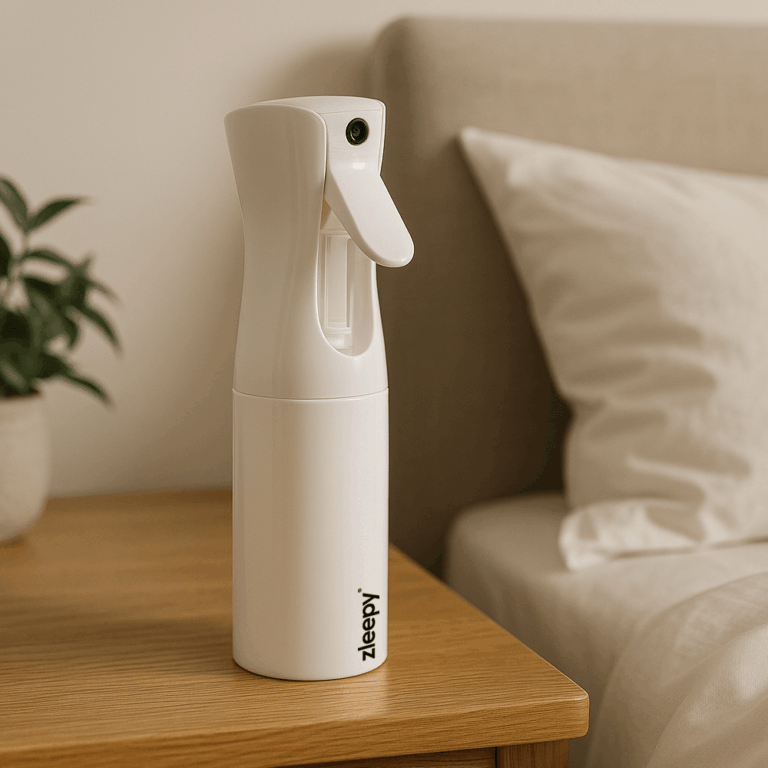
That is why we created our Microbiome Bedding Hygiene Spray. It helps to keep your bedding fresh between washes and supports the natural bacteria that protect your skin. Using it as part of your daily routine is an easy way to care for both your sheets and your skin at the same time.

When your bedding stays clean and balanced you are more likely to wake up feeling comfortable and well rested. It is a small change that makes a big difference to your sleep and your skin health.

Source: NIH – Compound Produced by Bacteria Protects Skin

how does noise affect sleep

How Noise Affects Sleep and How to Block It Out

How Noise Affects Sleep & The Best Ways to Block It Out

The Link Between Noise and Sleep

The relationship between noise and sleep is a complicated one and despite the fact that numerous sleep studies have been conducted, the overall impact noise has on sleep is still being investigated. 

Some noises such as white noise, can have a positive effect on sleep whilst others, such as environmental noises, have the potential to disrupt sleep. 

Just because the scientists can’t agree on the degree of impact noise has on sleep from a research perspective doesn’t mean we can ignore the role noise plays on our ability to get to sleep and stay asleep.

Sound vs. Noise: What’s the Difference?

We probably need to clarify here that the difference between sound and noise is that noise is usually unwelcome, unwanted, annoying or loud. 

Whilst sounds can have an impact on our sleep, we’re looking particularly at the relationship between noise and sleep.

Is Sleeping in Complete Silence Possible?

There is a popular misconception that the ideal noise to fall asleep to is no noise at all, but this is really tricky to do considering the amount of ambient noise there is in the world, both in urban and rural areas.

How Our Ancestors Slept Through Noise

Our early ancestors would have been sleeping in caves, under trees or in makeshift shelters outside. They wouldn’t have been falling asleep in silence. 

There would have been the sounds of nocturnal animals, insects and birds as well as the noise caused by rain, wind, flowing water and trees swaying. 

Therefore, adapting to how to sleep through noise would have been an innate skill passed down through generations.

caveman sleeping

Why Modern Life Makes Sleeping Harder

In our modern world, the kind of noise that disturbs our slumber is more likely to be sirens, phone notifications, traffic, neighbours, music and people, especially in built up areas, than it is to be the soothing sounds of nature.

Struggling to fall asleep is an increasingly common problem and once we are asleep many of us have difficulty staying asleep amidst the myriad of interruptions and noise pollution.

It’s no wonder that the noise around us is impacting our sleep, from external noises to internal ones such as pets, snoring and appliances, for many of us there is simply just too much noise to sleep.

The Science of Noise and Sleep

The Health Effects of Sleep Deprivation

The effects of sleep deprivation are well known and include hypertension, stress, anxiety, impaired cognitive function, lowered immune system, behavioural issues and increased risk of chronic health problems.

The impact noise has on sleep is that it can prevent you from falling asleep and once you do fall asleep, reduce the amount of helpful REM and deep sleep you can achieve, which is vital for repairing your brain and body.

Disturbed sleep from exposure to noise is more likely to be a long-term issue, especially when you’re subjected to consistent levels of noise over prolonged periods.

How the Brain Responds to Noise During Sleep

The definition of sleep is that we enter a reversible, homeostatically regulated state where we have reduced behavioural responses to external stimuli.

Recent studies have shown that even when we are unconscious our brains are still responding to noise around us, albeit at a much reduced level than when we are consciously perceptive.

how the brain reacts to noise while sleeping

Noise Pollution and Sleep Disruptions

The effects of noise pollution such as traffic noises, or noise from within the home such as music, pets and snoring, whilst we are sleeping means we are continually entering a state of sensory arousal, whether we fully wake or not.

This stimulation has been linked to many of the same diseases caused by sleep deprivation.

What the WHO Says About Noise and Sleep

The World Health Organization (WHO) published guidelines in 2015 and updated them in 2021 for the regulation of environmental noise in particular after research found that studies from both Europe and the US confirmed that those exposed to nighttime environmental noise were experiencing around or above a level of noise associated with adverse effects on sleep.

White, Pink & Brown Noise: Which Helps Sleep the Most?

What Is White Noise?

White noise is probably the one you’ve heard of. White noise is a sound that usually contains all audible frequencies at equal levels.

This constant type of noise is known as continuous noise and can be described as staticky. White noise for sleep is a popular tool for helping those who struggle to fall asleep.

The continual sound this noise makes helps to eliminate other sounds lulling you into a relaxed state that can help you get to sleep.

What Is Pink Noise?

Pink noise has a lower pitch than white noise but is essentially also a continuous noise, one that can sit at the back of our perception. Both pink and white noise can filter out sounds around you, providing ambient noise that aids relaxation.

Pink noise examples include steady rain falling, waves on a beach or wind through trees. These lower frequency sounds are more relaxing and can promote those helpful sleepy hormones.

What Is Brown Noise?

Brown noise is a much deeper noise than pink or white noise but is another form of continuous noise. Likened to heavy rainfall or a power shower type sound, some studies have found that brown noise might improve your ability to concentrate.

Are There Other Types of Noise?

Yes! In addition to white, pink, and brown noise, there are also blue, violet, and grey noises. These are not typically used for sleep but they do have their own helpful functions.

Best Ways to Block Out Noise While Sleeping

Earplugs for Sleeping

The best earplugs for sleeping with background noise are ones that are comfortable to wear, easy to fit and expand to reduce noise pollution.

Reducing the amount of sound your ears perceive whilst asleep will prevent your brain from becoming overstimulated which can cause you to wake or become unsettled.

ZLEEPY® Microbiome Bedding Hygiene Spray – 200ml (Subscription) noise reduction Up to 26dB (SNR) hush-earplugs-for-sleep-in-white-left ZLEEPY® Sleep Mask Cleaning Spray noise reduction Up to 26dB (SNR) hush-earplugs-for-sleep-in-white-left

Does White Noise Help You Sleep?

Another strategy you can try is listening to white noise. Some new mothers swear by this to help their newborns to sleep, as it mimics the internal sounds of the womb where noise is muffled and continuous.

White noise for sleep is a useful strategy for some and can be played from a phone, smart speaker or you can get children’s toys that play white noise.

Soundproofing

This might sound obvious, but when you’re foggy from lack of sleep it can be easy to miss. Soundproofing your bedroom or the room you sleep in will help block out noise from outside of the room.

You can add foam cladding to your walls, use noise-reducing curtains, add rugs or put down carpet, all of which will help with blocking noise while sleeping.

Nature Sounds

Nature sounds are evocative sounds and can be water flowing, trees swaying, animal song or waves.

Depending on what you are listening to, sounds of nature promotes feelings of relaxation and can help you get to sleep by blocking other noise.

Studies have shown that nature sounds affect a particular part of the brain and have a positive effect on sleep by physically changing our autonomic systems.

Nature sounds can be brown, pink or white noise and can be played via specific apps or playlists on your phone, smart speaker or a dedicated device.

noise affecting sleep
how seasonal changes affect sleep

How Seasonal Changes Impact Your Sleep and Practical Solutions

How the Changing Seasons Affect Your Sleep and How to Adapt

Sleep is vital to our health, mood, cognitive performative, work quality and social life. Given the importance of sleep, it’s a good idea to prioritise getting enough of it. But did you know that external factors caused by the changing seasons can drastically impact your sleep quality?

Sleep doesn’t just happen in isolation. It is deeply influenced by the world around us, particularly by the changing seasons.

As the Earth transitions from winter to summer and back again, seasonal sleep changes such as daylight hours, temperature and humidity can significantly impact our ability to get a restful nights’ sleep.

earth seasonal changes

These environmental changes interact with our body’s internal systems, particularly the circadian rhythms which act as our natural sleep-wake cycle.

The good news is that these seasonal sleep changes don’t have to leave you sleep deprived. By understanding how changes in daylight, temperature and humidity affect your sleep, you can adopt practical strategies to combat these disruptions.

Whether it’s adjusting your room’s temperature, trying a hot water bottle, using black out curtains, or investing in a humidifier, simple solutions like these can make a big difference.

In this blog, we’ll take a closer look at exactly how seasons affect sleep and provide actionable tips to help you rest, no matter the time of year.

winter seasonal changes

Winter Seasonal Changes

Shorter Days Impact on Sleep

The shorter daylight hours experienced in winter can significantly impact sleep quality.
Ever wonder why am I so tired in winter?

Well, any time your exposure to sunlight is reduced, your circadian rhythms are affected. Circadian rhythms are mental, physical, and behavioural changes that follow a 24-hour cycle. They are your internal body clock, regulating how alert or how sleepy you are.

The impact of the sun’s shorter shifts means you lose more time with the most natural source of vitamin D there is, the sun.

As natural daylight diminishes, our bodies produce more melatonin, the hormone responsible for regulating sleep. As your brain produces more of this hormone, you may find yourself unusually sleepy or drowsy earlier in the evening during the winter.

To combat the lack of sunlight experienced in the winter months, try soaking in the sun during the mornings and afternoons by getting out on a walk.

Alternatively, vitamin D supplements are a great way to ensure your body gets enough vitamin D and promote a more restful nights’ sleep.

colder temperatures and sleep quality

Colder Temperatures and Sleep Quality

Sleep and temperature go hand in hand. Generally, sleeping in the cold is conducive to better sleep as it helps lower your body temperature which promotes deeper and more restful sleep.

However, if the room temperature is too cold, it can lead to discomfort, making it harder to fall asleep or stay asleep throughout the night.

It’s therefore important to find a balance. Sleep experts say temperatures between 15 to 21 degrees Celsius (60 to 70 degrees Fahrenheit) are optimal for a night of good, deep sleep.

This temperature window ensures that your core temperature won’t dramatically rise as you sleep, as an increase in body heat can sometimes trigger the body to wake up and you become too hot to sleep.

Obviously, cooler indoor temperatures are more attainable during the winter when it’s colder outside.

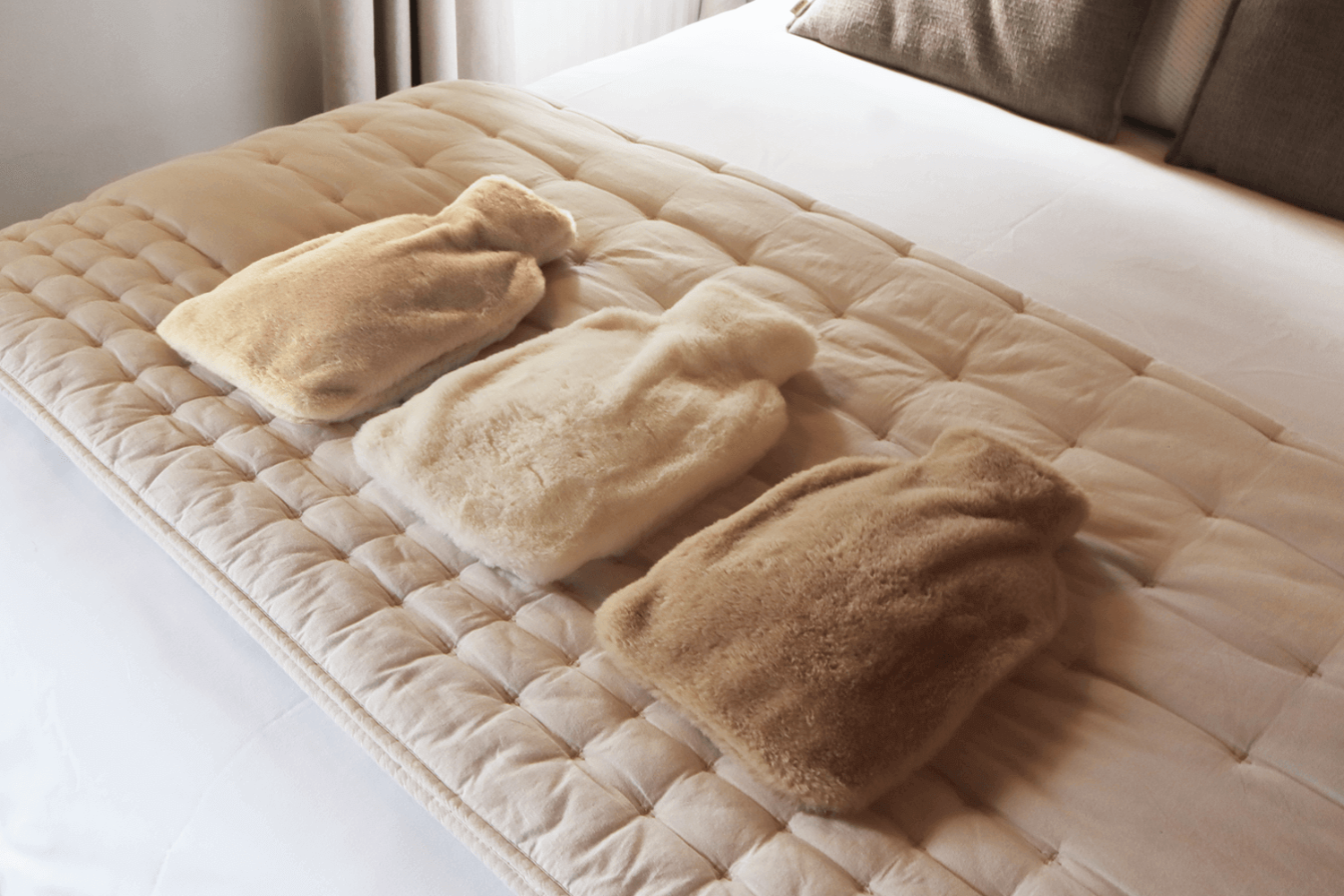
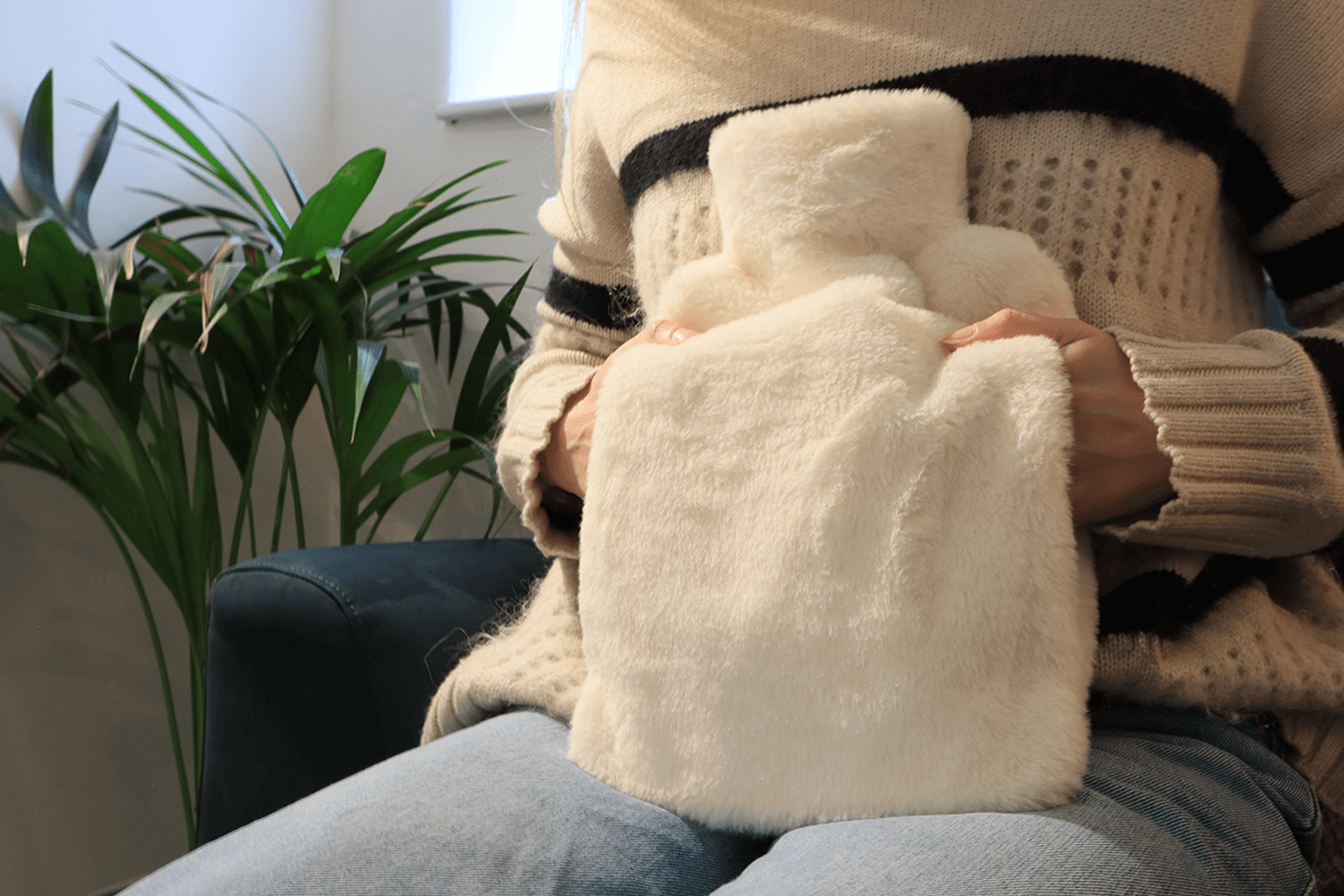
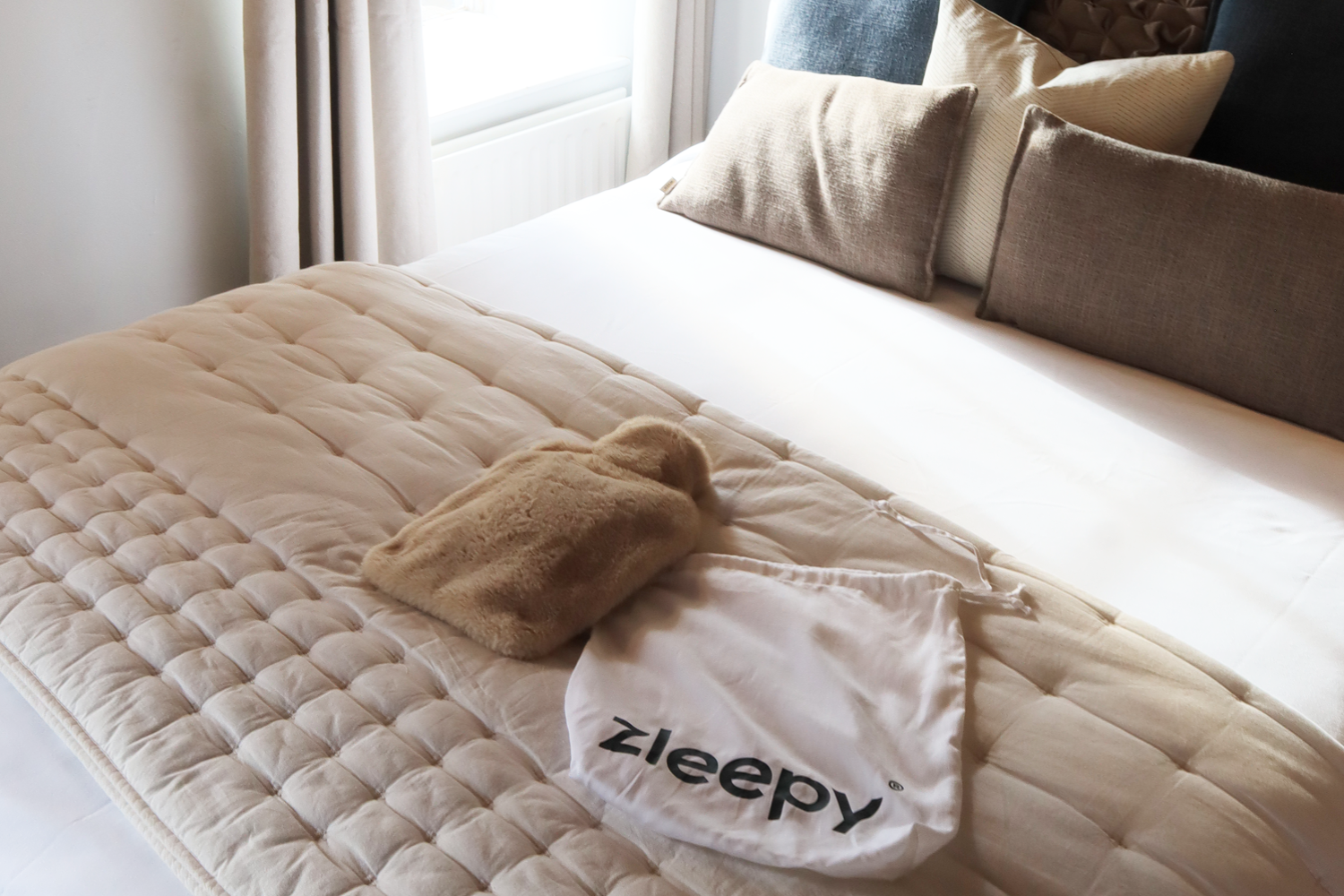
If these temperatures are a bit too chilly for your liking though, try cosying up under a weighted blanket or with a luxury faux fur hot water bottle. Not only are hot water bottles effective for warming your bed in winter, but they help relax muscles and relieve tension helping us feel sleepier.

Check out our guide to hot water bottles for more information.

dry air humidifier for sleep

Dry Air Sleep Challenges

Air that is too dry can make it more difficult to breathe at night. During winter, the air is already drier as is, and sometimes cranking up your indoor heating system can make matters worse.

Air that is dry can lead irritated nasal passages, sneezing, coughing, an itchy throat and may even increase suffering from colds and other viruses. This in turn can lead to snoring which makes sleeping difficult.

Fortunately, you don’t have to settle for a dry and uncomfortable sleep environment in the winter months. To combat this, one of our best winter sleep tips is to consider using a humidifier in your bedroom.

This can help maintain a more comfortable moisture level in the air, promoting better sleep and overall comfort. What’s more, this may seem like obvious advice, but making sure that you are hydrated before bed is very effective at combatting the effects of dry air.

seasonal affective disorder (SAD)

Seasonal Affective Disorder (SAD)

SAD is a type of depression that occurs at the same time each year, often beginning in late autumn or early winter. Research studies have found that SAD is likely to result from a complex interplay between environmental, biological, and psychological factors.

People with SAD often feel excessively sleepy during the day and sleep longer than usual at night. You may have difficulty waking from a long sleep or feel the need to nap repeatedly throughout the day.

Although SAD usually resolves itself within a few months when the seasons change, there are treatment options available.

The most common treatment is light therapy. During light therapy, a bright artificial light mimics sunshine exposure that’s missing during winter months.

Going outdoors, getting regular exercise, eating healthily, and engaging in social interactions may also reduce symptoms.

summer sleep challenges

Summer Challenges

Longer Days and Changes in Sleep Length

On the other end of the spectrum, the longer days experienced in summer can significantly impact sleep quality due to increased exposure to natural light during the morning and evening hours.

When it gets dark, our body clock signals that it’s time to sleep with the release of the hormone melatonin. As the sun comes up, melatonin secretion stops so the body can prepare for the day.

With the longer daylight hours in summer, the time of melatonin secretion is shorter than in winter. This can disrupt the body’s internal clock making it harder to fall asleep at the usual time and often causes us to wake up earlier.

A practical summer sleep solution to counteract this issue is adopting the use of blackout curtains.

These specifically designed curtains block out external light, creating a dark environment that promotes the production of melatonin and signals to the body that it is time to sleep. 

By reducing light exposure, blackout curtains can help maintain a consistent sleep schedule, ensuring that the longer summer daylight hours do not interfere with the quality of your sleep.

hot while sleeping

Warmer Temperatures Causing Negative Restorative Sleep

In addition to longer daylight hours, warmer temperatures can also play a part in disrupting sleep.

Studies have shown that heat exposure has a negative effect on slow-wave sleep (SWS) and rapid eye movement sleep (REM), whereas cold exposure does not affect sleep stages.

The body needs to be cool to sleep because it helps you fall and stay asleep and it triggers the release of melatonin, the “sleepy hormone”.

Given that melatonin, sleep and temperature are linked, we know that higher temperatures prevent the body from cooling down and can affect how much deep sleep you get.

One of the best tips for how to keep cool at night, and to get a better nights’ sleep, is to keep your bedroom temperature low with a fan or by opening a window.

We all have a slightly different temperature preference so you may have to play around to find the temperature that works best for you.

You also need to consider that your clothing and bedding will impact how hot or cold you are at night. Your bedding is going to play a big role in how hot or cold you feel in bed, so it’s worth getting the balance just right.

If you find yourself waking up with the covers thrown to one side, you may need to consider switching things up.

You can match the type of sheets on your bed to the season you’re in and your personal preferences. We recommend opting for breathable bedding like bamboo bedding and lightweight sleepwear.

As we have discussed, the changing seasons can have a profound impact on our sleep patterns and overall sleep quality.

Seasonal sleep changes such as temperature, daylight hours and humidity can influence how well we sleep. By understanding these changes, we can take proactive steps to create an optimal sleep environment to suit each season.

The team at Zleepy are passionate about all things sleep-related and we believe that being mindful of our sleep surroundings can help us maintain a consistent and restorative sleep schedule throughout the year.

Check out our full range of sleep products designed to help you get the best nights’ sleep possible.

tips for better sleep when you're anxious and stressed

Top 10 Expert Tips for Better Sleep During Stressful Times

How to Sleep Better When You’re Feeling Stressed: Top 10 Proven Tips

The relationship between stress and sleep is a symbiotic one. When you can’t sleep due to stress and anxiety, it creates a cycle that can be difficult to break.

Stress can be caused by a wide variety of factors such as health issues, financial worries, relationship problems, new babies, unemployment, pressure at work, life events and family worries.

Our modern lives are so much more hectic and switched on than they’ve ever been before and this overstimulation can lead to perpetual feelings of stress, even more so if we have a predisposition towards poor mental health.

Our natural stress responses developed to aid us in fight or flight situations. When early humans were faced with life-threatening situations, the production of adrenaline and cortisol hormones by our bodies increased our heart rates, helping to circulate oxygenated blood to our vital organs and muscles in order to prepare for immediate action.

These days, we don’t tend to face the same level of life-threatening scenario often, but the same physiological responses still occur when faced with different stressful situations such as problems we encounter at work or in our personal lives.

stress and sleep

Once the cortisol kicks in it supresses the production of melatonin, which is that helpful hormone that helps us fall asleep and stay asleep.

Cortisol hormones also dilute adenosine, the hormone that tips us over the edge from wakefulness to sleep. These chemical reactions occur subconsciously in our bodies by our homeostatic drive and external factors we experience in our daily life that cause stress disrupt these processes.

One of the leading symptoms of stress is poor sleep quality, which can have a significant impact on your overall well-being and make it harder to manage daily challenges. It is a hard cycle to break. Sleeping with stress can make it hard to turn your brain off, especially at bedtime.

This is why we’ve compiled this list of surefire tips on how to sleep when stressed and anxious, these techniques will help you switch off your head and relax at bedtime.

getting better sleep

Top 10 Tips for Better Sleep

1. Establish a bedtime routine

Research studies have shown that there is a correlation between better sleep quality and a consistent sleep routine. Establishing this routine is essential if you’re looking to improve sleep for stress relief and overall mental health.

Going to bed at the same time each night and waking up at the same time has a more positive effect on your health than going to bed late and at an inconsistent time.

To ensure that your body knows when it is time to sleep and when it is time to wake up, we suggest trying a fixed bedtime routine. This should improve your ability to not only fall asleep, but to stay asleep once you’re in bed.

Establishing a consistent bedtime routine is our number one tip for how to sleep better.

2. Avoid screens before bedtime

TV screens, computers and phones emit blue light, no matter how low we set the settings on our devices to combat it.

Blue light wavelengths are short and high-energy which is why we suggest avoiding screens close to bedtime. This type of stimulation can be absorbed by both the eyes.

Studies have shown that younger people are more susceptible to blue light stimulation from devices than adults, so it is particularly important that your kids avoid their phones and tablets before bed for a better quality of sleep.

For your best chance of relaxation before bed, turn those screens off! Read a book, have a bath, do some stretching or meditation. All of these will aid relaxation before bedtime and help you fall asleep easier and stay asleep longer.

sleep masks for better sleep

3. Use sleep masks and ear plugs

Some of us are light sleepers so in addition to struggling to turn our brains off, we might be extra sensitive to light and sound.

Using a sleep mask and ear plugs for sleep will reduce the amount of sensory stimulation you receive, helping to relax your mind and enabling you to block out distractions.

A 3D sleep mask in particular has indentations for your eyes, so they don’t overheat and soft padding around the face making it comfortable to wear as you sleep.

Ear plugs preference will differ from person to person, but we have found that soft silicone earplugs in particular are excellent at blocking out ambient noise and are flexible enough to fit all shapes and sizes of ear.

4. Try breathing exercises

Feelings of stress can raise your heartrate and when we need to fall asleep, we could really do with lowering our heartrate. The quickest and easiest way to induce feelings of calm before bed is to practice some tried and testing relaxation breathing.

Box breathing is the technique where you close your eyes and breath in through your nose for a count of four, hold your breath for a count of four then exhale through your mouth for a count of four.

Hold your breath again for a count of four before beginning the cycle again with your next inhale.

The repetition of this practice focuses the mind, helping you to let go of stress, anxiety and preoccupation and encouraging the body to relax slowly and on purpose. Repeat this for as many times as needed until you begin to feel sleepy.

Stress relief techniques such as meditative breathing are tried and tested and are preferrable to pharmaceutical intervention as they target the brain and body rather than chemically inhibiting receptions in the brain.

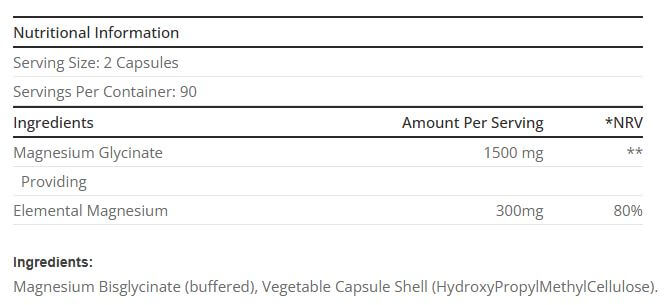
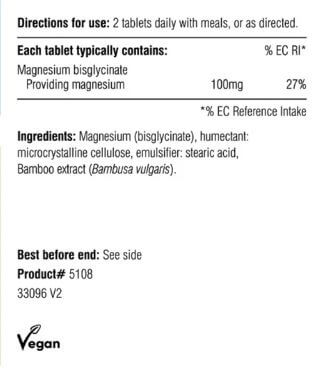
5. Take magnesium supplements

Magnesium is a metallic element that has been linked to a whole host of health benefits from relaxing muscles and improving metabolism to improving bone health and easing high blood pressure.

In fact, this helpful metal is involved in hundreds of homeostatic processes within our bodies and deficiency can lead to a heap of health problems.

Magnesium is one of the best supplements for sleep health as it aids relaxation by reducing tension in the muscles, improving blood flow, lowering heart rate, calming the nervous system and encouraging the production of melatonin.

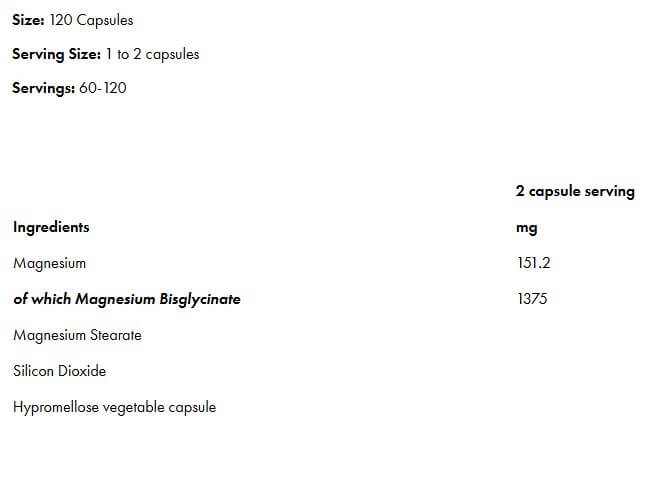
Taking a magnesium supplement like magnesium glycinate can help boost magnesium levels, restoring your body to an optimum state of functioning, ensuring that sleep is less elusive, and stress is kept at bay.

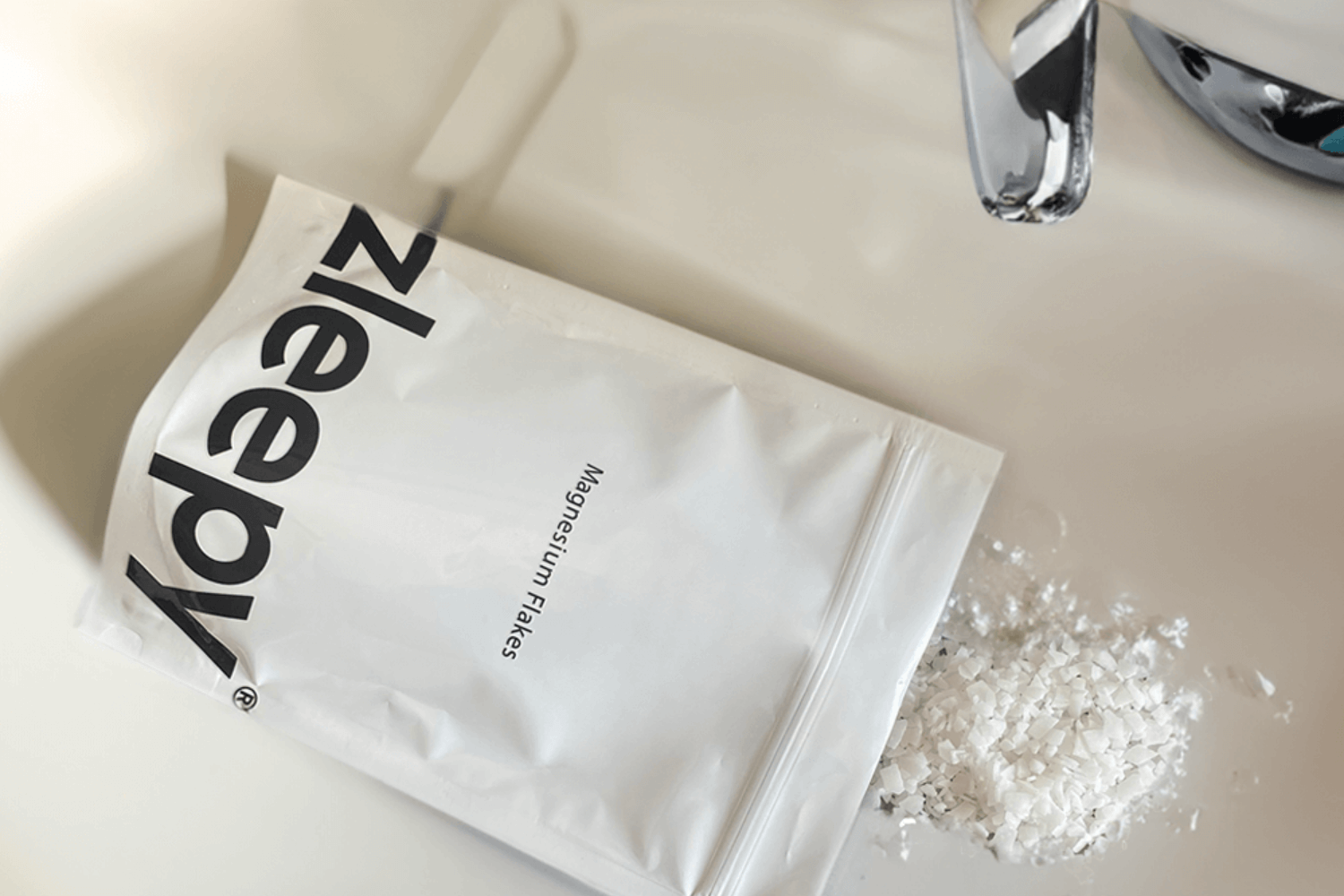
epsom salts and magnesium flakes

6. Use Epsom salts

Epsom bath salts contain a form of magnesium that is absorbed through the skin and inhaled when breathing.

A relaxing soak before bed will increase your body temperature and soothe any stress and tension held in your body.

Adding Epsom salts, especially with an added essential oil such as calming lavender, will elevate your bath from basic heat therapy to an awesome sleep inducing experience.

7. Stick to a healthy diet

Feelings of stress can lead to binge eating at one of the scales, to not eating at the other end. Neither of these is ideal for maintaining a health body weight. Your health has a significant impact on your quality of sleep, with both emaciation and obesity leading to disrupted sleep patterns.

One of the best ways of helping sleep and anxiety is to get plenty of fruit and vegetables in your diet, consume lean proteins and healthy fats.
Even during times of stress, eating well will fuel your engine and help you maintain proper functioning, including good sleep quality. Sleep is vital for repairing the brain and body so a good diet will help your body which in turn will help your brain, bringing the end to feelings of stress and anxiety.

getting sunlight for better sleep

8. Get plenty of exercise

This might seem an obvious sleep tip but if your body is tired, it won’t be long until your mind is too! Getting plenty of exercise during the day is a wonderful way of staying fit and healthy, which contributes to the normal production of melatonin which helps you sleep.

Whether you enjoy walking, running, playing sports or going to the gym, physical activity will fatigue your body and focus your mind, so not only is the exercise itself helpful for forgetting stressors, but the exertion will also help bringing on feelings of tiredness.

Exercise produces endorphins which supresses cortisol, those horrid stress hormones. So try to exercise at some point in your day, even if only for a short time to beat feelings of stress.

9. Spend time outside

Spending time outside has proven health benefits. A Harvard study in 2019 showed that spending as little as 20-30 minutes a day outside led to a drop in cortisol levels, reducing stress.

When you’re feeling stressed, taking a little time to go outside, even if just for a short walk will help to alleviate feelings of stress and aid relaxation.
This stress relief technique is one of the more simple but most effective ones at aiding relaxation before bed. Go for a short walk before or after dinner for the ultimate helping hand to fall asleep at bedtime.

10. Avoid alcohol

Alcohol is a stimulant. Drinking before bed will do the opposite of helping you to fall asleep. People suffering with stress may think that drinking aids relaxation before bed, but this is simply not true.

It inhibits the production of melatonin so that rather than starting to feel sleepy at bedtime you’ll be feeling wide awake instead. As far as stress relief techniques go, consuming alcohol, even in small amounts, is more likely to make you feel worse in the long run.

We hope these tips provide you with practical ways to improve your sleep and manage stress more effectively. Remember, taking small, consistent steps can make a big difference in breaking the cycle of stress and poor sleep.

everything you need to know about hot water bottles

Hot Water Bottles: Benefits, Types & Safety Tips

Everything You Need to Know About Hot Water Bottles

It’s that time of year again when the days are shortening, the temperatures are cooler and many of us struggle to get warm. When these symptoms occur it’s time to dig out our trusty hot water bottles.

The paradox of the winter months is that we know cooler temperatures are better for falling asleep, but there’s a fine line between being nice and cool to bring on those z’s and not being able to stop your teeth from chattering or those toes from tingling.

This is when a hot water bottle, essentially hot water in a water bottle, will take the edge off and help keep extremities warm.

There are more benefits to using hot water bottles than you perhaps know about so let us take you through our comprehensive guide to hot water bottles, their types, uses, applications and the most frequently asked questions about hot water bottles.

how to use a hot water bottle

How to Use a Hot Water Bottle

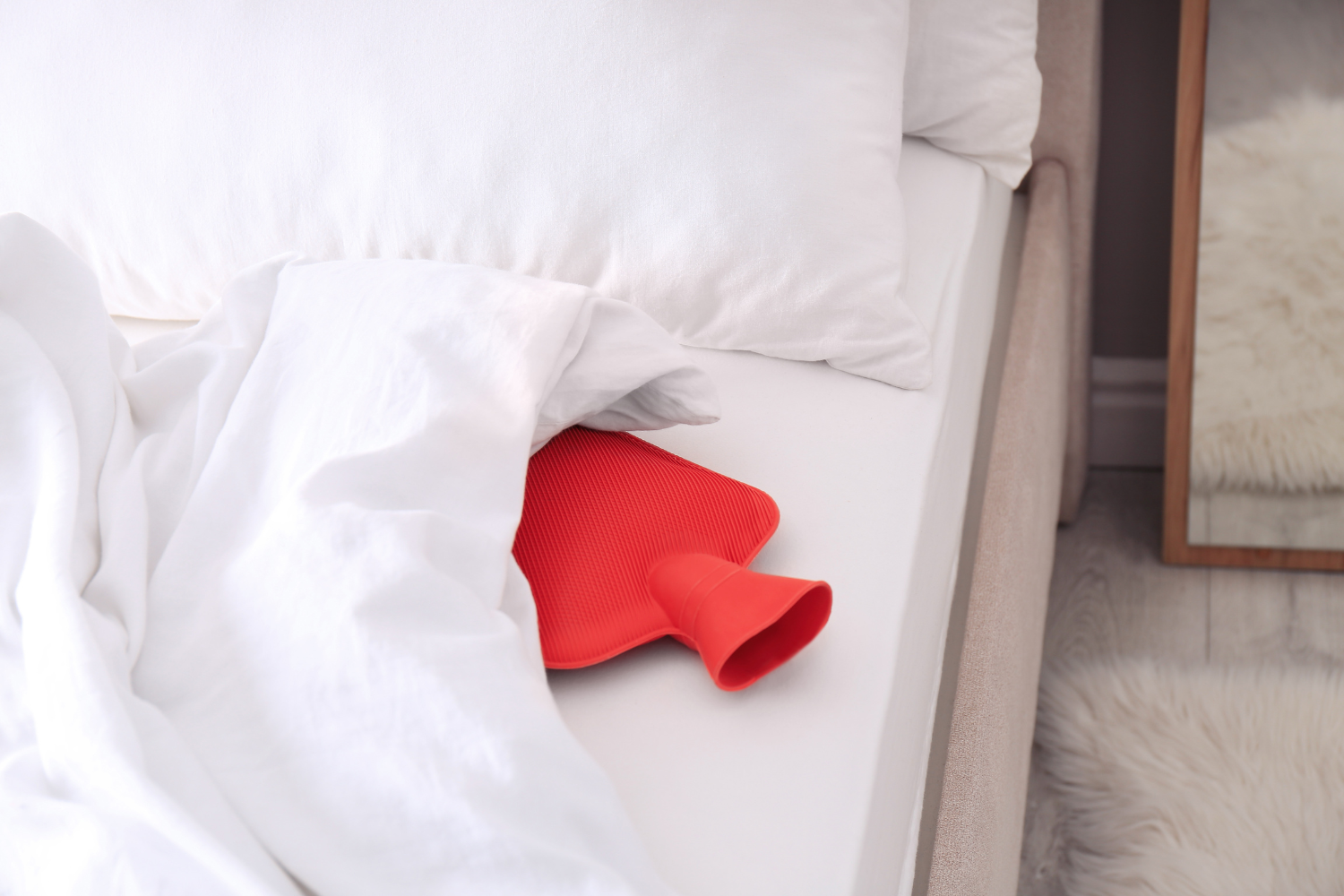
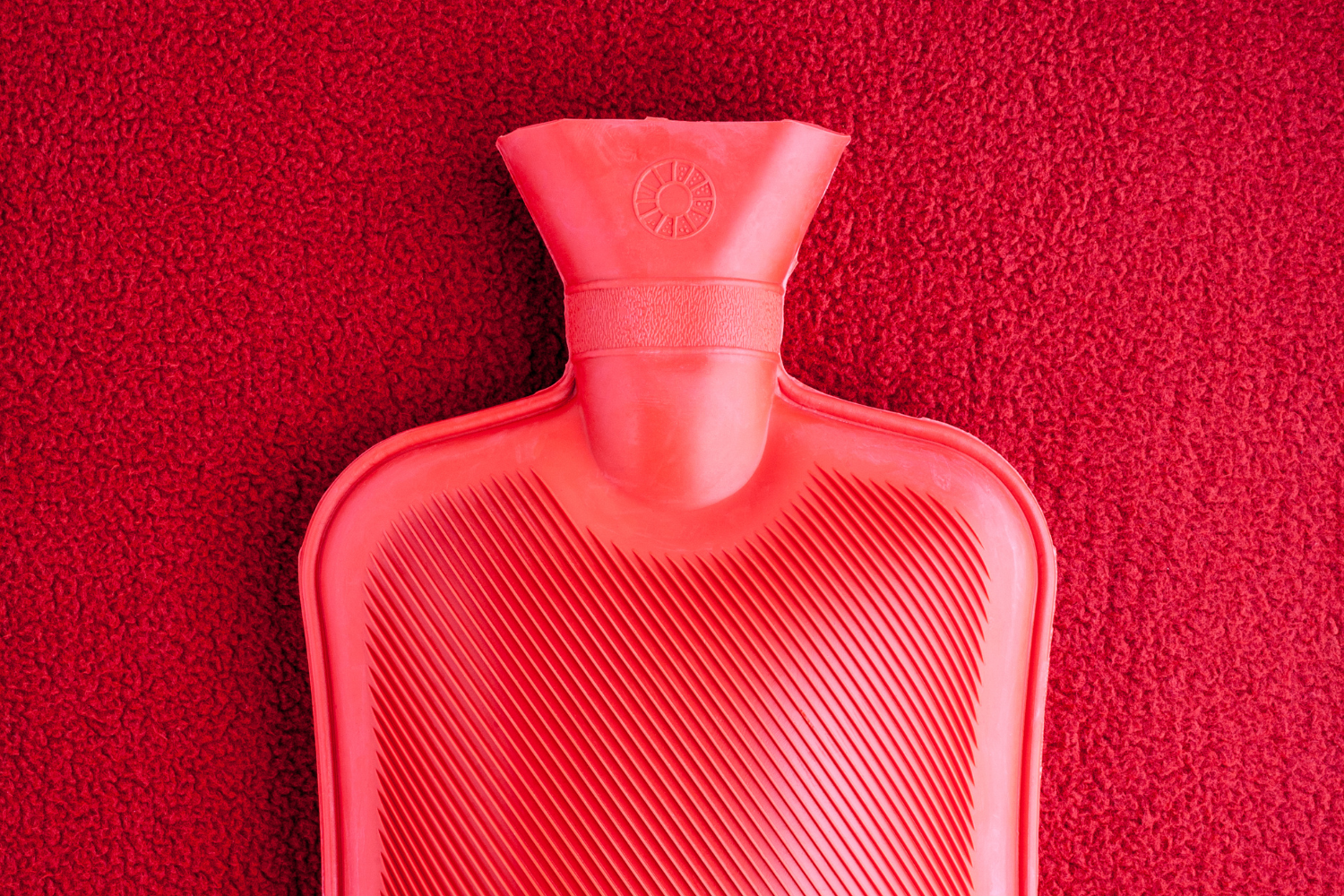
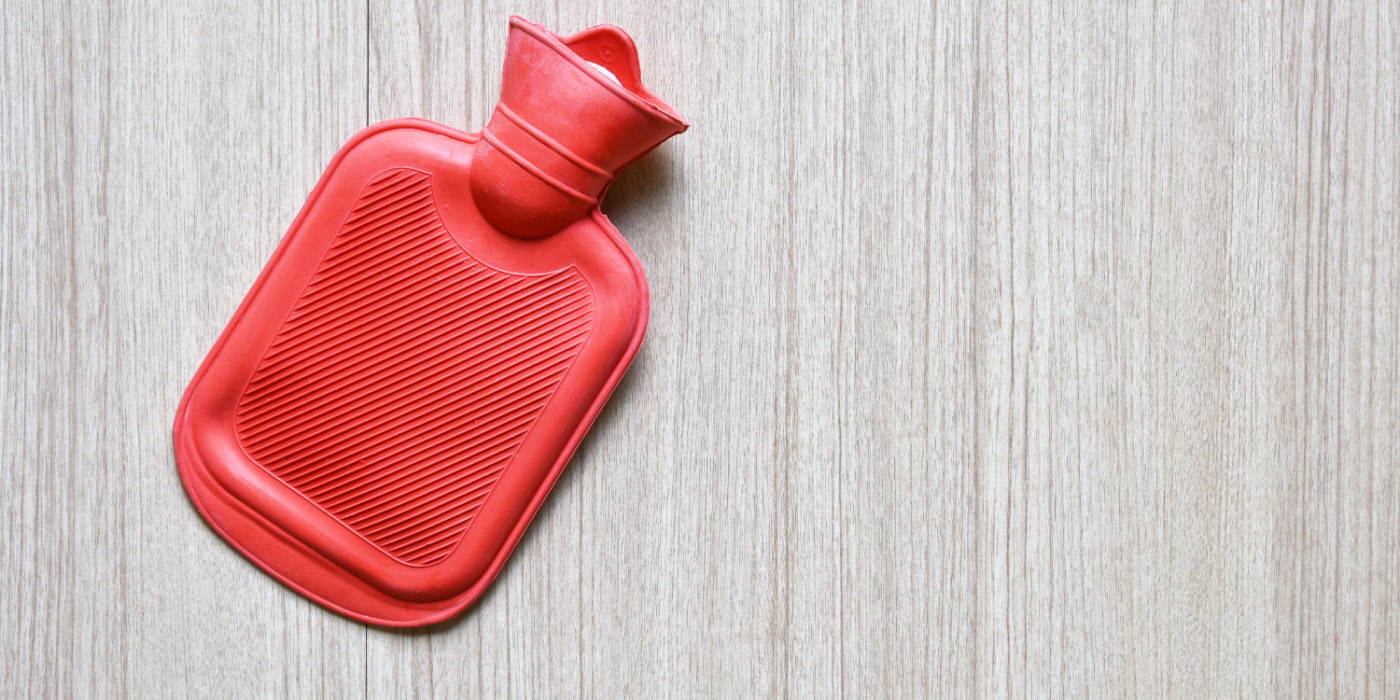
A hot water bottle is a flexible bottle, usually made of rubber, that stores hot water safely inside.

The hot water warms the surface of the bottle which then retains heat, releasing it slowly over time.

It is super important to take care when filling a hot water bottle as you don’t want to burn yourself, get your hot water bottle cover wet or damage the hot water bottle itself.

Follow the simple steps below to make sure you fill your water bottle safely.

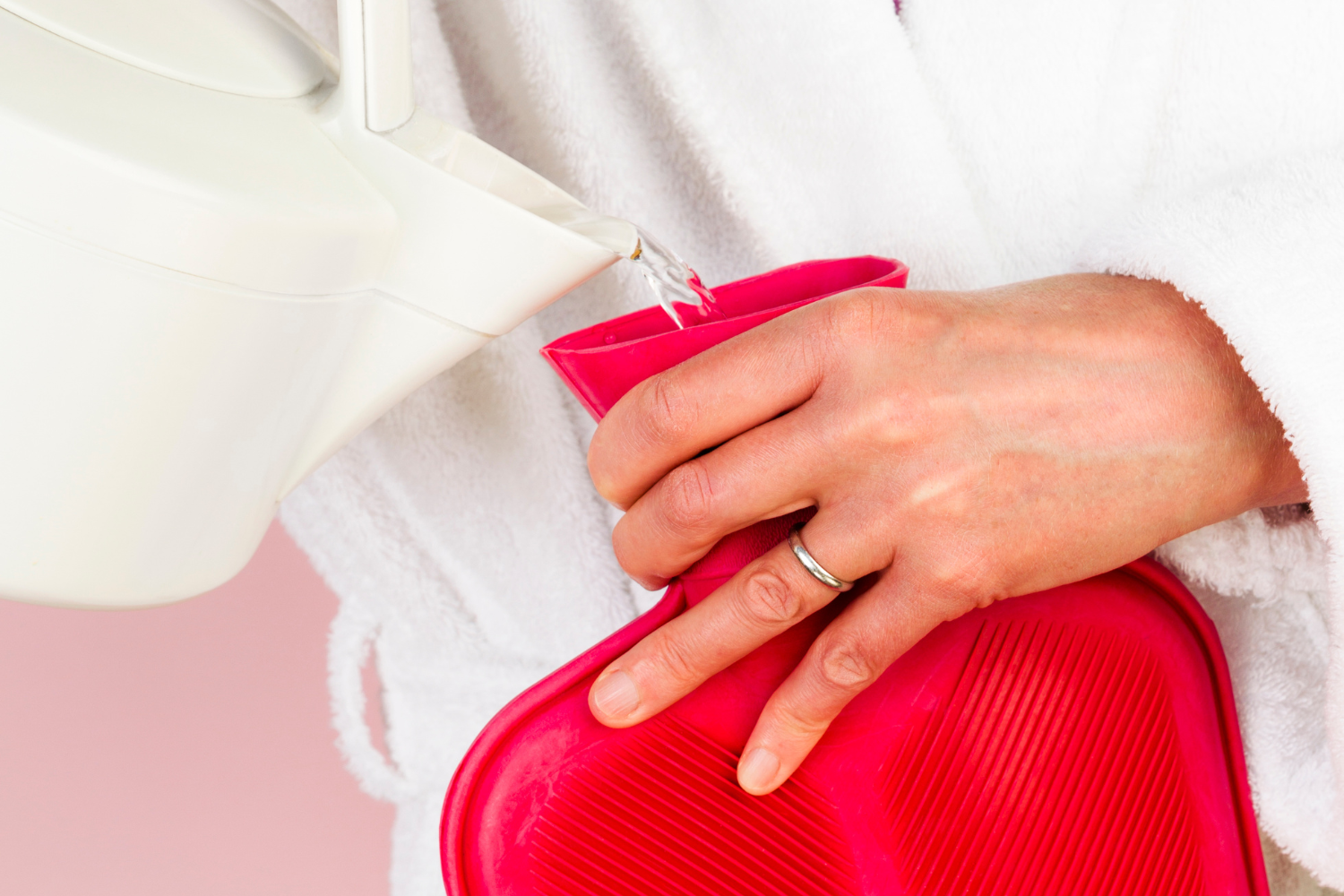
1. Boil water and allow it to cool slightly.

2. Hold the bottle upright and fill it two-thirds full.

3. Squeeze out excess air before sealing tightly.

4. Check for leaks by gently tilting the bottle.

Common mistakes made when filling your hot water bottle include using boiling water straight from the kettle and overfilling your hot water bottle.

If you use boiling water, you risk damaging the water bottle over time, as well as potentially harming yourself. Wait until the water is cooled slightly before carefully filling your vessel.

Remember to only fill the bottle two thirds of the way and to squeeze any air out as the water vapour from the hot water will puff the water bottle up and you risk popping it, the water bottle splitting or again burning yourself on the water or steam.

We strongly recommend using a hot water bottle with a cover as not only will this be more comfortable to handle but it will diffuse the temperature further ensuring you don’t burn yourself or overheat.

Using a protective cover, like the ones on our hot water bottles, ensures safety and comfort when using a hot water bottle.

Types of Hot Water Bottles

There are a surprising number of different types of hot water bottles available from traditional rubber hot water bottles to shaped water bottles, electric hot water bottles and microwaveable hot water bottles alternatives.

Below we have listed some of the different kinds of hot water bottles and what they are best used for.

Traditional Rubber Hot Water Bottles

Most hot water bottles are made from rubber still. This is the classic choice of material as it makes durable and effective hot water bottles that retain heat well.

Silicone Hot Water Bottles

A more recent alternative to rubber hot water bottles, silicone is lightweight, flexible, and often more modern in design.

Silicone hot water bottles sometimes are more like heat pads which can be heated in the microwave or are available as fillable bottles where the silicone does not deteriorate as quickly as rubber.

Long Hot Water Bottles

A novel variation on the traditional flat rectangle shaped hot water bottle, a long thin water bottle can be wrapped around a person easier covering more body more effectively.

The advantage of this is better application of heat, especially for sore muscles or stomach cramps however the large surface area loses heat more quickly than a smaller hot water bottle.

Wrap-around Hot Water Bottles

Similar to long hot water bottles, wraparound hot water bottles are designed for targeted warmth with straps to hold the bottle in place, making them ideal for pain relief.

Covered Hot Water Bottles

All hot water bottles should have a protective cover on to protect the user from overheating and burns. Options like faux fur hot water bottles which have a muff pocket for extra insulation and a luxurious feel on the skin.

Microwave hot water bottle

Microwaveable hot water bottles dispense with the need for using hot water. They are not really hot water bottles anymore but microwaveable heat packs.

These come as slippers, teddies, hot water bottle shapes and many more novelty designs.

Whilst they may be a more convenient alternative to a traditional hot water bottle, they don’t stay as hot for as long meaning you have to keep microwaving them frequently, which is not ideal.

Electric hot water bottles

Electric hot water bottles have an element inside that heats the water, retaining heat whilst they are plugged into mains power.

You can also get rechargeable options that retain when charged.

These eliminate the need for handling hot water but need using and monitoring carefully and tend to be used in medical settings rather than domestic ones.

Hot Long Does a Hot Water Bottle Stay Hot?

Using a good quality hot water bottle with a protective cover, like our faux fur hot water bottles, should provide you with a personal heat source for 2-6 hours.

Rubber hot water bottles will stay hotter for longer as the rubber retains heat well but the total time your hot water bottle stays hot will be dictated by the ambient temperature as well.

A hot water bottle in a warm bed will stay warmer for longer than a hot water bottle in a tent, for example.

How to Clean and Care for a Hot Water Bottle

To prolong the life of your hot water bottle, taking care of it before and after use is important.

Checking the integrity of your hot water bottle is vital. Remember to take the protective cover off before use and visually inspect the bottle for cracks, splits or other signs of damage.

It is also important to never store your hot water bottle with the water inside as this will help prevent sour odours and mould building inside the bottle.
The best way to clean your hot water bottle are listed below in our step-by-step guide.

1. Empty the bottle completely.

2. Rinse with warm water and mild soap.

3. Scrub the inside gently with a bottle brush.

4. Rinse thoroughly and let air dry with the stopper off.

To prolong the life of your hot water bottle always store it in a cool dry place after cleaning and drying it, avoid folding or creasing the hot water bottle which may damage the integrity of the bottle and make sure it is empty before you put it away.

how long does a hot water bottle last

How Long Does a Hot Water Bottle Last?

The average lifespan of a well looked-after hot water bottle could be anything from 2-3 years up to 10 years.

The quality and thickness of the rubber, the frequency of cleaning, how the hot water bottle is stored and how often it is used will all dictate how long a hot water bottle will last, with those used more frequently more likely to deteriorate faster than those used infrequently.

It is important to check for signs of wear and tear regularly on your hot water bottle by inspecting seams, seals and checking for cracks or damage to the bottle.

If you see that your hot water bottle has cracks, splits, is thinning or the material is losing elasticity, it may be time to upgrade your hot water bottle.

As mentioned above, carefully cleaning and storing your hot water bottle will prolong its lifespan.

How to Store a Hot Water Bottle

Avoid storing your bottle in direct sunlight or close to heat sources and keep it in a cool dry place – and always remember to store it empty! If you can store your hot water bottle in a cover, it will give it more protection and security.

why does my hot water bottle smell

Why Does My Hot Water Bottle Smell

A frequently asked question about hot water bottles is why they become smelly.

The answer is that anything that is frequently wet that is not cleaned and dried regularly will start to smell damp, mildewy and mouldy.

This is why it is important to empty your hot water bottle after use, clean it before and after using and make sure it is stored appropriately.

Common causes of odours include:

Residual water left inside

Rubber material ageing

Infrequent cleaning

To prevent your hot water bottle from smelling badly we recommend emptying, cleaning and drying thoroughly after each use.

Once dry, store your hot water bottle in a cool, dry, well ventilated place whilst not in use.

For really stubborn smells that regular cleaning and drying will not alleviate you can use cleaning solutions like vinegar or bicarbonate of soda.

are hot water bottles safe to use

Are Hot Water Bottle Safe to Use?

Hot water bottles in various guises have been used for hundreds of years. Historically metal containers were used to store hot coals, which were then wrapped in cloth.

These days a rubber bottle with a nice cosy cover is much safer and take a whole lot less time to make.

The most dangerous part of using a hot water bottle is filling it with just boiled water. Any spills may cause burns and any faults with the bottle will do the same. When used carefully and correctly hot water bottles are widely accepted as safe to use in the home.

As mentioned above, ensure you regularly check your water bottle for damage and its integrity to avoid accidents. Only use cooled boiled water to fill your water bottle and make sure you have a cover on, so you don’t burn your skin.

In the UK there are British Safety Standards that products must conform to. For hot water bottles this regulation is known as BS 1970:2012.

It is important that your hot water bottle bears this standard, as that means it has been tested and inspected to conform to the British-certified standard of quality.

Any hot water bottles that do not bear this rating may not have been tested rigorously before use and we would recommend returning them to your supplier.

Suffice to say that all our hot water bottles are certified safe and conform to this British Safety Standard.

how to use hot water bottles for pain relief

How to Use Hot Water Bottles for Pain Relief

The benefits of heat therapy are well documented and have been in use for thousands of years. Applying heat to the body increases blood flow, relaxes muscles, reduces stiffness and eases pain.

While early humans may have bathed in hot springs or applied hot sand to ailments, modern people have electricity and hot water bottles have long been used to ease aches and pains.

The most common pain relief that hot water bottles are used for is muscle pain caused by injury or overuse, menstrual cramps and arthritis.

Applying a hot water bottle to the affected areas will help increase blood flow, helping ease inflammation and providing pain relief to the recipient.

For the most effective pain relief, apply your hot water bottle to the affected area for 15-20 minutes at a time, using a cover on the bottle to prevent burning the skin. Remove periodically to check symptoms before refilling and applying for a further interval.

Can you use a hot water bottle when pregnant

Can You Use a Hot Water Bottle When Pregnant?

Yes, you can use a hot water bottle when pregnant. Women who are pregnant need to be wary of engaging in any activity that raises their core temperature.

This is why long hot baths, spa days and high intensity exercise are not recommended for pregnant women.

Hot water bottle use, when used sensibly and carefully, will help reduce aches and pains caused by pregnancy without raising your core body temperature.

A hot water bottle applied to the lower back, swollen feet or cramping hips will help to ease tension and take some of the sting out of the various ailments caused by growing a person inside of you.

Avoid applying a hot water bottle to your stomach for long periods of time, 15-20 minute bursts are ideal, make sure you use a hot water bottle cover and if in doubt always consult your health care professional.

can you microwave a hot water bottle

Can You Microwave a Hot Water Bottle?

No. Traditional rubber hot water bottles were not intended for microwave use.

Microwaving a rubber hot water bottle will heat the water inside and the outer layer unevenly, causing the potential for overheating and burns.

Microwaving may also lower the integrity of the bottle, causing splits, tears or cracks or might even melt the bottle.

If you want a hot water bottle you can heat in the microwave, find a specific microwaveable hot water bottle, or a microwaveable heat pack that is labelled as microwave safe and follow heating instructions carefully.

Why Do Hot Water Bottles Help You Sleep

Why Do Hot Water Bottles Help You Sleep?

As we’ve talked about above in relation to pain relief, applying heat relaxes muscles, increases blood flow and relieves tension. Feelings of relaxation and the easing of tension helps us feel drowsy and can speed up falling asleep.

The science behind the relationship between warmth and sleep is well known and the comfort provided by a warm hot water bottle might be exactly what you need to promote those sleep-inducing hormones.

From a more practical point of view, warming the bed before you get into it will help you feel cosy and secure straight away.

Maximise this head start to falling asleep by leaving your screen off, trying some calming breathing and float away to the land of nod.

A prewarmed bed will also stop those little toes getting cold, which will stop you feeling sleepy. So plan ahead, and warm your bed before you get in for a much improved quality of sleep.

What is The Best Hot Water Bottle to Buy?

The premise of hot water bottles has not changed in hundreds of years – heating a vessel and wrapping it in a protective cover to provide warmth and pain relief.

Modern alternatives have been around for a while, such as microwaveable hot water bottles, electric hot water bottles and new shapes like long hot water bottles and wraparound versions.

In our experience, the traditional hot water bottle retains heat best and can be used for a wide range of applications.

Whether you choose a silicone hot water bottle or a rubber one, the only real difference is that silicone can stand up to hotter water and is more flexible than rubber.

Microwaveable solutions might be more convenient but just don’t stay hot enough for long enough to provide enough warmth for bringing on sleep.

As for the cover, we are particularly partial to a cosy cover, one that is tactile as this promotes feelings of calm and can aid relaxation more than a rough hot water bottle cover.

We have found that faux fur in particular has wonderful insulative properties and the addition of a hand pocket means that our faux fur hot water bottles are one of the best hot water bottles on the market to buy.

Conclusion

To summarise, hot water bottles are safe to use and provide warmth and heat therapy for pain relief, as well as being a fantastic sleep aid.

If you look after your hot water bottle it should last for a number of years, odour-free and without wear and tear.

Remember to take care when filling with hot water and always use a protective cover.

Whether you prefer classic options or the cosy luxury of faux fur hot water bottles, finding the right hot water bottle can make all the difference.

how to read your magnesium supplement label

How to Read Your Magnesium Supplement Label

Understanding and Interpreting Magnesium Supplement Labels for Proper Dosing

What is Magnesium?

Magnesium is a wonderfully helpful element that aids sleep, something we know a lot about!

It is naturally occurring in a wide variety of food, such as green leafy vegetables, legumes (peas, beans and lentils), nuts, seeds, whole grains, fish and fruits such as bananas and apples.

Even though it can be found in many fibre-rich foods, it can be hard to eat enough foods high in magnesium to get a sufficient amount into your body, which is why many people take magnesium supplements.

Magnesium is actually a metal and is important for so many of our body’s processes. It’s elemental symbol is Mg, not to be confused with milligrams, mg and how much we take depends on the type of magnesium supplement.

Taking magnesium promotes better sleep by helping muscles recover and relax, regulating sleep patterns by balancing melatonin levels and aiding stress hormone responses leading to feelings of calm, relaxation and peace.

It’s no wonder this clever metal is so popular.

But figuring out which type of magnesium to take, how much to take and how to decipher magnesium supplement tablets can be tricky so let’s take a deep dive into types of elemental magnesium, how they help us and how to decide how much to take.

what is magnesium

What Does Magnesium Do For The Body?

Magnesium benefits us in several different ways. It helps maintain a normal blood pressure, aids bone strength, muscle recovery, controls blood sugar levels and helps to make proteins and DNA. 

Different types of magnesium provide a wide range of health benefits but getting the right kind and dosage of magnesium for the results you require is vital.

What Are The Magnesium Benefits

Blood pressure – magnesium helps blood vessels relax reducing tension and maintains a healthy blood pressure.

Bone strength – magnesium is used by our bodies to aid bone formation and people with higher levels of magnesium in their bodies have a higher bone mineral density. Magnesium essentially helps our bodies to use calcium and vitamin D which are both bone-building nutrients.

Muscle function – magnesium helps muscles to relax after contracting which aids muscle recovery, reduces lactic acid build up and may even improve exercise performance.

It is also crucial in muscle formation as it is used to build the proteins needed for maintaining muscle health.

Metabolism – magnesium contributes to the process of converting glucose into energy, burning fat, building proteins as mentioned above, and metabolising carbohydrates, fats and amino acids.

Magnesium can increase calorie and fat burning by optimising your metabolic rate, even during periods of rest.

Sleep – magnesium helps muscles relax, regulates neurotransmitters that relay signals through our central nervous system, helps to regulate melatonin levels (that helpful sleep-inducing hormone) and reduces cortisol, which is a stress hormone, all of which promotes a better night’s sleep.

As mentioned at the start eating plenty of foods high in magnesium is one way of absorbing magnesium into the body but often the magnesium content of foods naturally high in magnesium can be reduced during processing.

This can make it difficult to get enough magnesium through diet alone. This is when a magnesium supplement can be useful to ensuring we get all those healing health benefits.

magnesium for sleep

What Are The Types of Magnesium?

Magnesium is an important part of over 300 enzyme systems that regulate biochemical reactions inside our bodies

Research into the uses and benefits of magnesium supplements is still ongoing but it is known to play a crucial role, not only in the functions listed already, but in many more besides.

It’s no wonder this helpful metal is fast gaining in popularity, especially as it is estimated that more people are deficient in magnesium than not.

There are 10 main types of magnesium supplement, some of which are best as dietary supplements whilst others have more topical uses.

Let’s take a quick look at each of these and what benefits they may have.

1. Magnesium Glycinate Supplement

Magnesium combined with the amino acid glycine is highly absorbable and is taken for stress reduction, to aid relaxation and promote good sleep health.

2. Magnesium Citrate Supplement

Magnesium citrate is magnesium bound with citric acid. It is one of the most popular magnesium supplements as it is easily absorbed and is used to aid digestion and treat constipation due to its laxative effects.

It is also used for replenishing low magnesium levels.

3. Magnesium Oxide Supplement

This is magnesium bound with oxygen to make a salt. It is not easily absorbed by the body but is used to aid digestive issues such as indigestion, constipation and heartburn.

4. Magnesium Malate Supplement

Magnesium malate includes malic acid and is easily absorbed by our bodies. It is thought to have a less laxative effect than other magnesium supplements and has been recommended for the treatment of fibromyalgia, a chronic pain disorder, and those with chronic fatigue.

5. Magnesium Taurate Supplement

Made by combining magnesium with the amino acid taurine, magnesium taurate is thought to be effective at managing high blood sugar, high blood pressure and promoting general heart health.

6. Magnesium L-threonate Supplement

Magnesium L-threonate is a salt made by mixing magnesium with threonic acid, a substance produced from breaking down vitamin c.

It is believed that this type of magnesium is has brain health benefits and may be useful in treating disorders such as depression and memory loss.

7. Magnesium Sulphate

Made from magnesium, oxygen and sulphur, magnesium sulphate is most commonly known as Epsom salt.

Epsom Salts have an unpleasant taste therefore is not widely used as a consumable supplement however it can be dissolved in bath water to use as a muscle relaxant and stress reliever to great effect.

8. Magnesium Chloride

Magnesium chloride is a salt made from magnesium and chlorine, known for its versatility.

It can be taken as an oral supplement due to its high bioavailability, making it effective for increasing magnesium levels in the body.

However, it is more commonly used in topical applications, such as magnesium flakes, creams, or sprays, which help soothe muscle soreness and promote relaxation when added to baths.

9. Magnesium Lactate Supplement

Lactic acid combined with magnesium is most typically used as a preservative food additive. It is easily absorbed though and makes an effective magnesium supplement for those with sensitive digestive systems.

which magnesium supplement is best

Which Magnesium Supplement is Best?

Your reason for taking magnesium will determine which type of magnesium supplement is best for you. For better sleep, look for magnesium glycinate. For muscle recovery use magnesium sulphate.

Magnesium L-threonate may improve brain health and magnesium taurate can be taken for better heart health.

What is Elemental Magnesium?

Now that we know more about the different types of magnesium, let’s take a look at how these are conveyed on magnesium supplement labels.

To get the most out of your magnesium supplement you need to know how much elemental magnesium is contained, not just the overall compound weight.

Typically, recommended daily intake amounts for magnesium are for elemental magnesium, not compound magnesium, which all of the above types of magnesium are.

Therefore trying to understand your magnesium supplement label can be tricky. Which is why we’re here to help!

Elemental magnesium is the amount of actual magnesium found in the different compound types of magnesium mentioned above.

For example, the magnesium glycinate elemental content is 14.1%. This means that there is 14.1% or 14.1mg of elemental magnesium in 100g of magnesium glycinate.

Keep reading to see how understanding this will help you decipher your magnesium supplement dosage requirements based on the type of magnesium you use.

how to read magnesium supplement label effectively

How to Read Magnesium Supplement Labels

The table below shows the typical magnesium food supplement amount required by children and adults.

Magnesium supplements come in a range if guises, from magnesium tablets to magnesium drops used to make a magnesium liquid form, magnesium gummies and multivitamin magnesium, where magnesium is combined with other vitamins that have complimentary benefits.

You can also get hold of magnesium oil spray which is typically magnesium chloride and acts as a topical muscle relaxant for soothing aches and pains.

However you choose to consume your magnesium, understanding the dosage will ensure that you are getting the right amount without any unwanted side effects

GroupAge RangeRecommended Daily Intake (mg)Notes
Children1–3 years80 mgLower dosage suitable for young children.
Children4–8 years130 mgIncreased need for growth and development.
Children9–13 years240 mgAdjusted for pre-teen nutritional needs.
Teenagers14–18 yearsBoys: 410 mg
Girls: 360 mg
Higher for boys due to greater muscle and bone development.
Adults19–30 yearsMen: 400 mg
Women: 310 mg
Adjusted for average adult metabolic needs.
Adults31+ yearsMen: 420 mg
Women: 320 mg
Slightly higher for men in older age groups.
Pregnant WomenAll ages350–360 mgMagnesium supports foetal development and prevents cramps during pregnancy.
Breastfeeding WomenAll ages310–320 mgMagnesium assists with lactation needs.
Older Adults65+ yearsMen: 420 mg
Women: 320 mg
Important for bone health and reducing muscle cramps.
AthletesMen450–550 mg+Higher needs due to muscle recovery and energy metabolism.
AthletesWomen350–450 mg+Adjusted based on physical activity and body weight.

Important Considerations for Magnesium Dosage

General Guidelines: The recommended daily intake values in the table are based on general guidelines from reputable sources such as the NHS and international health organisations.

These recommendations provide a useful reference for maintaining adequate magnesium levels for various age groups and life stages.

Athletes and Special Conditions: Athletes and individuals with specific medical conditions, such as magnesium deficiency or those under intensive physical activity, may require personalised dosage recommendations.

These should be determined under the guidance of a healthcare professional to ensure safe and effective intake.

Supplement Labels: Always refer to the specific dosage instructions on magnesium supplement labels.

These are often tailored to the form of magnesium (e.g., magnesium citrate, glycinate) and the amount of elemental magnesium provided per serving.

Consult a Healthcare Professional: If you are unsure about your magnesium needs, or if you experience symptoms of deficiency or excess, consult with a healthcare provider.

They may recommend a magnesium blood test to monitor your levels and adjust supplementation as needed.

Balanced Diet First: While supplements can help fill gaps, aim to meet your magnesium needs through a balanced diet rich in magnesium-containing foods such as green leafy vegetables, nuts, seeds, legumes, and whole grains.

By understanding these guidelines and consulting professionals when necessary, you can optimise your magnesium intake to support overall health and well-being.

Magnesium Supplement Label Examples

Below are some examples of Magnesium supplement labels. Some labels will show the %RI which is the percentage recommended intake, based on your age.

This may also be shown as RDA which stands for recommended daily allowance.

The magnesium tablet dose needed will depend on the type of magnesium supplement you are taking and how much elemental magnesium that type contains.

Other will be more explicit and show a breakdown of how much elemental magnesium is contained and show how many magnesium capsules to take per day to get the recommended intake.

magnesium glycinate supplement three

Magnesium Glycinate Label 1

This supplement provides 300mg of elemental magnesium per serving (2 capsules). Compared to the other labels, this is the most potent option for elemental magnesium. For someone focusing on their elemental magnesium intake, this provides:

  • 75% of the daily requirement for adult men (400mg) and 96% for adult women (310mg).
  • Athletes: Male athletes aiming for 450mg would only need 1 extra capsule (3 total) to meet their target. Female athletes requiring 310–350mg can meet their needs with the standard 2-capsule serving.

This supplement is ideal for those who need a high dose of elemental magnesium in fewer capsules, particularly athletes or individuals with high magnesium demands.

magnesium glycinate label example one

Magnesium Glycinate Label 2

Each tablet contains 100mg of elemental magnesium, with the recommended 2 tablets providing 200mg total. This lower dose makes it suitable for those who need more control over their magnesium intake. For elemental magnesium:

  • 50% of the daily requirement for men and 65% for women is met with 2 tablets.

  • Athletes: Male athletes would need 4-5 tablets to reach 400–450mg of elemental magnesium. Female athletes could take 3–4 tablets to meet their target of 310–350mg.

This supplement is best for individuals who prefer splitting their doses throughout the day or those starting with smaller amounts of elemental magnesium.

magnesium glycinate label two

Magnesium Glycinate Label 3

This supplement offers 151.2mg of elemental magnesium per 2 capsules, making it the most moderate in terms of elemental magnesium content. For someone focused on their elemental magnesium intake:

  • It provides 36% of the daily requirement for men and 47% for women per serving.

  • Athletes: Male athletes would need 3 servings (6 capsules) to reach 450mg, while female athletes would need 2-3 servings (4–6 capsules) to hit 310–350mg.

This supplement works well for those who prefer a lower dose of elemental magnesium per serving and want to tailor their intake based on dietary magnesium or other supplements.

Final Comparison: Elemental Magnesium Focus

  • Label 1: Provides the highest dose of elemental magnesium (300mg per serving), making it the most efficient option for those with high magnesium needs, including athletes or individuals with magnesium deficiencies.

  • Label 2: Offers a moderate dose of elemental magnesium (100mg per tablet) that is ideal for people seeking flexibility in their supplementation, especially those starting with lower doses or spreading their intake throughout the day.

  • Label 3: The lowest dose of elemental magnesium (151.2mg per 2 capsules), making it a suitable choice for incremental supplementation or those combining magnesium intake with dietary sources.

This doesn’t take into account magnesium quality, you’d really have to research each company and their reputations to make sure what you’re getting is high quality.

magnesium for athletes

How to Monitor Your Magnesium Levels

Given the complexity of magnesium supplements and the range of types available depending on your requirements, it is important to monitor your magnesium levels to avoid unwanted side effects.

Taking the correct dosage of magnesium, as directed by your supplement label, is the best way to avoid the possible side effects of magnesium supplements.

However, if you are taking a high dose of magnesium for a particular medical condition or as an athlete, you can monitor your intake through magnesium blood testing.

Your doctor may prescribe a blood serum magnesium test to find abnormal levels of magnesium in your blood.

Low magnesium levels are often linked with low calcium and low potassium levels, whereas high levels may indicate problems with the kidneys or intestines.

Usually only those prescribed magnesium supplements will be regularly tested for magnesium levels.

This will help adjust the dosage as required, monitor health benefits and ensure that it is performing the function required.

Potential Side Effects of Magnesium Supplements

Most people won’t experience any magnesium supplement side effects, especially if they are taking them as directed to aid deficiency.

Magnesium side effects are rare and will usually only occur if you have taken too much or have too little magnesium in your body.

Magnesium Deficiency

Only those suffering from low magnesium levels should consider taking magnesium supplements. Deficiency in magnesium may include the following symptoms:

• Poor sleep

• Depression or low mood

• High blood pressure

• Increased chance of migraines

• Potential risk of heart disease

• High blood sugar

Magnesium deficiency has been linked to a whole host of symptoms and medical conditions. In many studies magnesium has been found to improve symptoms, but experts are yet to conclusively prove the definitive benefits of magnesium as their application and uses are so varied.

side effects of magnesium

What are the Magnesium Side Effects?

At the opposite end of the scale, taking too much magnesium can be dangerous to our health.

Adults should have no more than 350mg per day, unless they are professional athletes under medical supervision and monitoring.

Taking too much magnesium can lead to lethargy, low blood pressure, nausea, vomiting and diarrhoea.

More serious side effects from magnesium may be experienced by people with underlying health problems or other medical conditions so it is vital to ensure you are only taking supplements as required and/or prescribed.

Where to Buy Magnesium Supplements?

You can buy magnesium supplements at pharmacies, supermarkets, health stores and online.

Always check the ingredients of your supplements and make sure you research brands before you buy.

We recommend only taking magnesium supplements when you have a deficiency, or prescribed by a doctor, and always ensuring you take the correct dosage.

what-is-a-fitted-bed-sheet

What is a Fitted Bed Sheet?

Mastering Comfort: Your Comprehensive Guide to Choosing the Perfect Fitted Bed Sheet

Welcome to the world of fitted bed sheets, the unsung heroes of a comfortable night’s sleep!

If you’ve ever found yourself wrestling with a flat sheet or woken up to discover your bed sheet in a tangled mess, then it’s time to get acquainted with the snug, comforting embrace of a fitted bed sheet.

But not all fitted sheets are created equal. In this guide, we’ll explore every aspect of fitted bed sheets, from choosing the perfect size and depth to understanding the ever growing amount of fabric options available, including the eco friendly and increasingly popular bamboo bedding.

fitted-bed-sheet-elastic

What Exactly is a Fitted Bed Sheet?

Let’s start with the basics: what exactly is a fitted bed sheet? Unlike their flat counterparts, fitted bed sheets are designed with elasticated corners meant to fit snugly over your mattress.

This simple yet absolutely ingenious design not only simplifies the bed making process but also ensures that your sheet stays in place, offering a smooth and comfortable surface for you to enjoy your sleep.

However, picking a fitted bed sheet isn’t just about choosing any sheet with elastic corners. The size, depth, and fabric of the sheet all play a crucial role in the quality of your sleep, even if sometimes it is just mentally.

how-to-choose-the-right-size-and-depth-fitted-bed-sheet

Choosing the Right Size and Depth

When it comes to fitted bed sheets, size does matter. A sheet that’s too small will constantly slip off the corners of your mattress, while one that’s too large will gather and bunch up, creating an uncomfortable sleeping surface.

Fitted sheets are typically made to match standard mattress sizes, but it’s the depth that you really need to pay attention to.

Mattresses vary in thickness, more so if you add a mattress topper for that extra layer of comfort. Here’s a breakdown of fitted sheet depths to help you choose the right one:

Standard Depth Bed Sheet:

Usually around 20 – 30cm, perfect for average-sized mattresses.

Deep Fitted Sheets:

These are about 35 – 45cm deep, designed for thicker mattresses or those with a topper.

Extra Deep Fitted Sheets:

Measuring around 50 – 65cm or more, these sheets are meant for exceptionally thick mattresses or those with multiple toppers.

Why Does My Fitted Sheet Come Off the Mattress?

It’s a common bedtime conundrum: you go to sleep with your bed perfectly made, only to wake up with the bed sheet half off the mattress. The primary reason for this is often a mismatch in size or depth.

However, the quality of the elastic and the sheet material can also contribute to this issue. Over time, some elastic can lose its stretch, and certain materials may become more slippery, causing the sheet to move around.

Regularly checking the condition of your bed sheets and ensuring you choose the correct size and depth can prevent many a restless night.

Some brands use more re-enforced elastic, to fight this issue that many users have faced in the past.

different-types-of-bedding-materials

The Importance of Fabric Choice

The fabric of your fitted bed sheet significantly impacts your comfort during sleep. Different fabrics unsurprisingly offer different of benefits, mainly from breathability and moisture wicking to durability and softness.

Let’s explore some popular options:

Bamboo Bed Sheets:

Bamboo sheets are celebrated for their sustainability and moisture wicking properties. This bedding is incredibly soft, hypoallergenic, and has natural antibacterial qualities, making it an excellent choice for those with slightly more sensitive skin or allergies.

If you’re looking at bamboo you’re best opting for 100% Lyocell Bamboo bedding as it is not mixed with any cheap cottons or plastics and can look silky.

Cotton Bed Sheet Varieties:

Egyptian Cotton: Renowned for its luxurious feel, Egyptian cotton is highly breathable and soft, becoming softer with each wash.

Pima Cotton: Similar to Egyptian cotton in terms of comfort and durability, Pima cotton is known for its long fibers, offering a smooth feel.

Cotton Sateen: With a silky surface and sheen, cotton sateen bedding is tightly woven and offers a warmer feel, perfect for cooler climates.

Cotton Percale: Known for its crisp and cool feel, cotton percale is lightweight and breathable, ideal for warm sleepers.

Polyester Bed Sheet Blends:

While not as breathable as cotton, polyester sheets are incredibly durable and resistant to wrinkles and shrinkage.

Blends like poly cotton combine the benefits of both materials, offering a good balance of comfort, breathability, and durability.

By understanding the unique properties of each fabric type, you can make an informed choice that caters to your specific comfort needs and preferences for your bed sheet requirements.

woman-sleeping-on-fitted-bed-sheet

Care and Maintenance for Your Bed Sheet

A key to prolonging the life and maintaining the quality of your fitted bed sheet is proper care. Always adhere to the washing instructions specific to the fabric type.

Generally, washing in cool water and avoiding harsh detergents can help preserve the quality, color, and elasticity of the fabric.

Proper storage is crucial… fold or roll your sheets neatly to prevent excessive wrinkling and maintain the corners elasticity.

Conclusion

Fitted bed sheets are more than just a piece of fabric; they are the cornerstone of a good night’s sleep.

By selecting the right size, depth, and fabric, and by providing the proper care, you can transform your bed into a cozy, inviting sanctuary. Remember, the perfect bed sheet is not just about comfort; it’s about creating a sleep environment that caters to your personal preferences and needs.

We hope this guide has illuminated your path to finding the perfect fitted bed sheet. Here’s to sweet dreams and peaceful nights, wrapped in the comfort of your ideal bed sheet!

how-much-deep-sleep-do-you-need

How Much Deep Sleep Do You Need?

Unlock the Secrets to a Rejuvenating Night’s Rest: Deep Sleep

Have you ever woken up feeling groggy and disorientated? Or maybe you struggle waking up in the morning and have trouble shaking that sleepy feeling? Ok, maybe you’re just not a morning person but it turns out science may have an explanation that proves you aren’t lazy.

You may have heard that adults need between 7 and 9 hours of sleep each night. So, you might be surprised to learn that this alone is not enough!

The quality of your sleep matters, and deep sleep is crucial to feel fully refreshed and ready to take on the day when you roll out of bed in the morning.

Deep sleep supports memory, growth and cell regeneration all while you are fast asleep! Sounds good right?

In this post we’ll take a look into the different stages of the sleep cycle, the benefits of getting enough deep sleep and some practical tips for improving the quality of your night’s sleep as well as answer important questions like much deep sleep do you need?

what-is-deep-sleep

What is Deep Sleep?

Deep sleep, also known as ‘slow-wave sleep’ is thought to be the most restorative stage in the sleep cycle. During deep sleep, activity in the brain appears in long, slow waves called delta waves. This stage in the sleep cycle is often referred to as heavy sleeping or being fast asleep.

You need adequate deep sleep to wake up feeling refreshed, rejuvenated and well-rested in the morning. Among its many benefits, deep sleep supports memory, growth and cell regeneration.

If you are woken during the deep sleep stage you may experience sleep inertia, a period of fogginess, for several minutes after awakening.

During the deep sleep stage your muscles relax, blood supply to the muscles increases, heart rate and breathing slow and the body promotes tissue growth and the release of essential hormones.

Without the functions that occur during deep sleep you are more likely to suffer with sleep deprivation which is linked to memory problems and other health issues.

what-is-a-sleep-cycle

The Sleep Cycle Explained

When you rest, your body goes through different stages of the sleep cycle. There are two different types of sleep in each cycle: one stage of rapid eye movement (REM) and three stages of non-rapid eye movement (NREM).

During REM sleep, your eyes move around rapidly without sending visual information to your brain, but this does not happen during NREM sleep.

The NREM stages consist of light sleep (N1), deep sleep (N2) and deeper sleep (N3). During the NREM, or deep sleep stage, it is more difficult to rouse you and if you woke up you would feel disorientated.

The stages cycle in this order: N1, N2, N3, N2, REM. A person cycles through these stages 4-5 times every night and a complete cycle lasts around 90-110 minutes.

How-many-hours-sleep-do-you-need

How Many Hours of Deep Sleep Do You Need?

On average, around 20-25% of sleep should be deep sleep. So, if you sleep for 7-8 hours you need roughly between 1.5-2 hours of deep sleep each night. You can now use sleep trackers such as an Oura Ring to help track your own sleep stages.

Without attaining the recommended average deep sleep per night, you might start to experience symptoms of sleep deprivation such as feeling lethargic throughout the day.

The exact amount of time a person spends in deep sleep changes as we age, with older adults spending less time in deep sleep than children and younger adults.

This also correlates with the trend that amounts of sleep decrease with age. So… how much sleep do I need based on my age?

Infant (4-12 months): Infants aged between 4-12 months require a total of 12-15 hours of sleep per day.

Toddlers (age 1-2): Toddlers aged between 1 and 2 require a total of 11-14 hours of sleep per day.

Preschool (age 3-5): Children aged between 3 and 5 years require 10-13 hours of sleep including naps.

School-age (age 6-12): Children aged between 6 and 12 need 9-12 hours of sleep.

Adolescents/teens (age 13-18): Adolescents aged between 10 and 18 need 9-10 hours of sleep each night.

Adults (age 18+): Adults aged 18+ need between 7 and 9 hours of sleep each night however this is typically less for adults over the age of 65.

how-can-i-get-more-deep-sleep

How Can I Get More Deep Sleep?

If you’ve got this far, you’re probably keen to learn how you can get some better ZZZ’s.

You may have heard that carrying out regular exercise, avoiding large meals and caffeine before bedtime, removing electronic devices from the bedroom and aiming to go to bed at the same time every night and getting up at the same time every morning can improve your sleep health.

These habits definitely can help you improve your sleep health but sometimes you need a little extra help.

There are a number of great supplements, products & tips to aid your sleep health. Here’s a rundown of our favourites:

3D Sleep Masks:

3D sleep masks are designed to block out light completely, which promotes natural melatonin production, and allow for normal eye movement during REM sleep.

Magnesium:

Magnesium comes in many forms from orals to topical products. There are different types, some absorb well & some don’t. For sleep, we suggest that you take something like Magnesium Glycinate, which is highly absorbed by the body orally.

You should aim to take around elemental magnesium before bed for reduced disturbances & deeper sleep.

There are also things like magnesium oil spray which is natural form of magnesium oil from the sea, in which you can rub it into your feet for high absorption rate which bypasses the digestive system. This can help with overall sleep quality.

Don’t Eat 2-3 Hours Before Bed:

This is crucial! When you sleep you ideally need to have already digested a lot of your food, because if your body is spending time digesting it is not spending time recovering the rest of your body.

This is has been shown with sleep trackers, for individuals who have eaten late, their heart rate stays elevated through the night. This shows a lack of recovery in general terms, meaning that your muscles, body tissue & skin & cells may not have had the full repair they deserve.

Sleep Sprays:

Sleep sprays contain calming essential oils including lavender, patchouli and jasmine which creating a calming atmosphere and promote relaxation.

Epsom Salts:

Epsom salts help relax muscles and relieve tension in the body for a rejuvenating night’s sleep. Helping yourself wind down in the evening before bed can have a positive impact on your sleep.

Sleep Patches:

Sleep patches contain calming CBD and lavender which are known to help reduce stress and anxiety, alleviate pain and improve sleep quality.

Cool Bedroom:

Sleeping with a cool bedroom is important for deep sleep! Having a warm bedroom completely disrupts the sleep cycles of the body, therefore it is best to have a cool bedroom.

Aim for a bedroom temp of around 18°C for optimal deep sleep conditions.

Bamboo Bedding:

Bamboo bedding helps to naturally regulate your body temperature, keeping you warm when it’s cool and vice versa. Being comfortable while you sleep obviously plays a role in your sleep quality, if you’re not comfortable while you sleep you’re not going to sleep well.

relaxing-before-bed-with-epsom-salts

Summary

In essence, a good night’s slumber transcends mere duration — it’s the depth that truly rejuvenates. For peak restoration, aim for deep sleep to constitute 20-25% of your nightly rest.

This isn’t just about clocking hours; it’s about nurturing quality, as proper deep sleep is pivotal for myriad health dividends.

By prioritising your evening routine, allowing sufficient time to relax, getting to bed early, and choosing the right supplements, you’re more likely to improve your deep sleep.

Add to cart