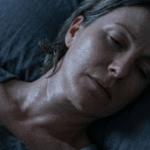
You go out for a few drinks, have a good evening, go to bed feeling fine, and then wake up at 3am absolutely drenched in sweat. Your sheets are damp, your pillow is warm, and you feel simultaneously overheated and clammy. If this sounds familiar, you are experiencing one of the most common and least talked about side effects of drinking alcohol. Studies suggest that alcohol consumption is one of the most frequently associated factors with night sweats in primary care populations, with one study finding that patients who reported heavy alcohol use were significantly more likely to experience both night and daytime sweating.
Night sweats after drinking are extremely common, and they can happen even after just a couple of drinks. Here is why alcohol makes you sweat at night, how much it takes to trigger it, and what you can do about it.
Why Does Alcohol Make You Sweat at Night?
Alcohol causes night sweats through several different mechanisms, which is why even moderate drinking can trigger them.
Vasodilation. Alcohol causes your blood vessels to dilate (widen), which increases blood flow to your skin. This is why you might feel warm and flushed after a drink. Your body interprets this increased blood flow to the skin as a signal that you are overheating, and it responds by sweating to cool you down, even though your core temperature has not actually risen significantly.
Disrupted thermoregulation. Alcohol interferes with your hypothalamus, the part of your brain that acts as your internal thermostat. After drinking, your hypothalamus becomes less accurate at reading your body temperature, which can lead to inappropriate sweating responses during sleep.
Blood sugar fluctuations. Alcohol affects how your liver manages blood sugar. During the night, as your body metabolises the alcohol, your blood sugar can drop. When blood sugar falls too low, your body releases adrenaline to bring it back up, and this adrenaline surge triggers sweating, a rapid heartbeat, and sometimes that anxious, jolting awake feeling.
Acetaldehyde. When your liver breaks down alcohol, it produces a toxic byproduct called acetaldehyde before converting it into harmless acetic acid. Acetaldehyde is a known trigger for flushing and sweating. If your body processes alcohol slowly (which varies from person to person), acetaldehyde can build up and cause more intense sweating.
Disrupted sleep architecture. Alcohol initially acts as a sedative, helping you fall asleep faster. But as your body processes the alcohol during the second half of the night, it disrupts your sleep stages, often causing you to move into lighter sleep where you are more likely to notice and be disturbed by sweating.
How Much Alcohol Triggers Night Sweats?
There is no magic number because it depends on your body weight, tolerance, genetics, how quickly you metabolise alcohol, what you drank, and whether you ate alongside it.
That said, most people start to notice night sweats after drinking three or more standard drinks in an evening. But it is entirely possible to sweat at night after just one or two drinks, especially as you get older. Your body becomes less efficient at processing alcohol with age, which means the effects, including night sweats, tend to become more pronounced over time.
The type of drink matters too. Drinks with higher alcohol content (spirits, strong wines, strong beers) are more likely to trigger sweating than lower alcohol options. Sugary cocktails and mixers can worsen the blood sugar fluctuation effect. And red wine contains histamines and tannins that can increase flushing and sweating in some people.
Alcohol Withdrawal and Night Sweats
Night sweats after a night out are one thing, but sweating caused by alcohol withdrawal is a different and more serious issue.
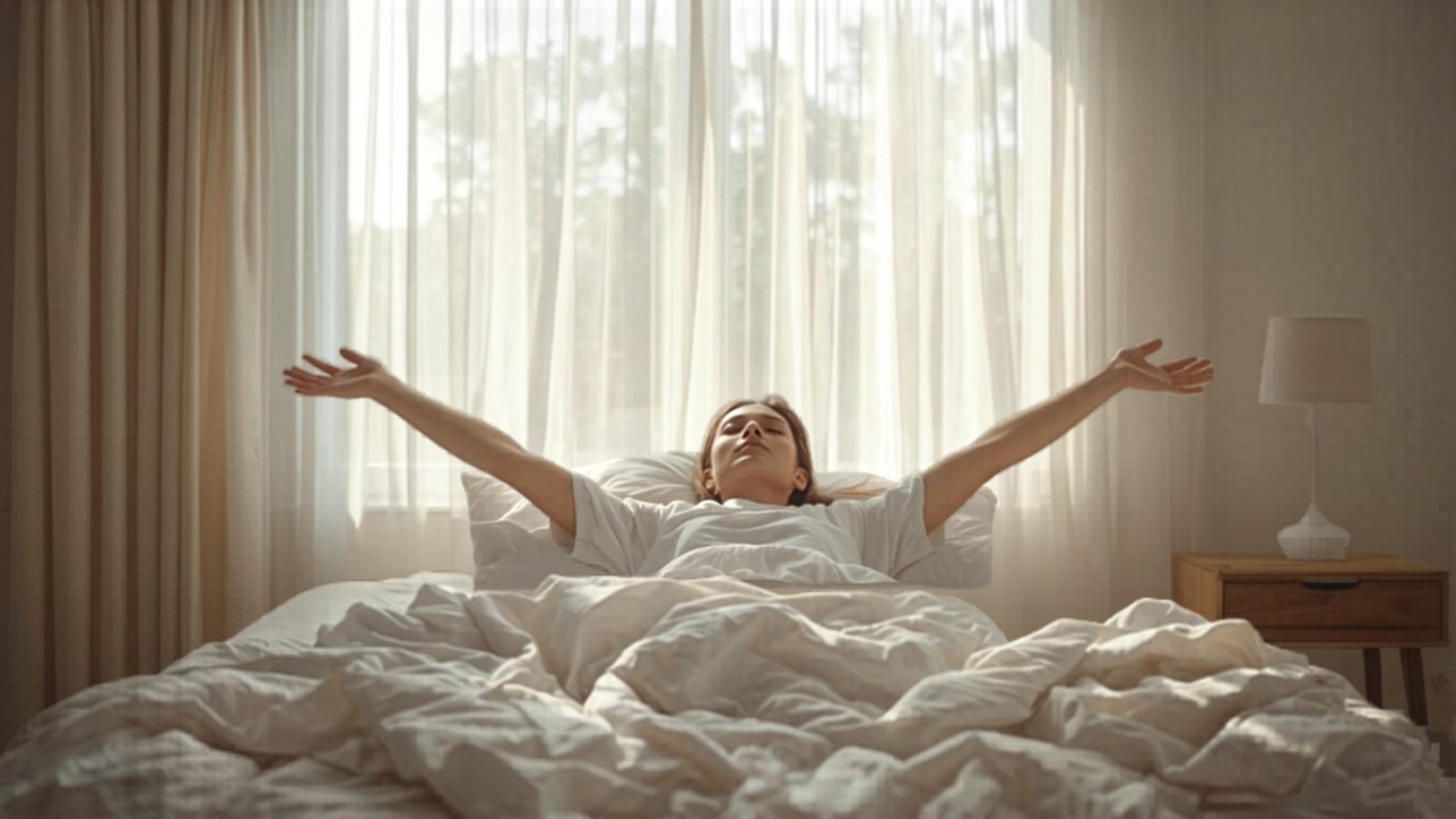
If you drink regularly and then suddenly stop or significantly reduce your intake, your body can go through withdrawal. One of the most common symptoms of alcohol withdrawal is intense sweating, both during the day and at night. This happens because your nervous system, which has adapted to the constant presence of alcohol, becomes overactive when the alcohol is removed.
Withdrawal sweats tend to be more severe than the sweats you get after a night of drinking. They can be accompanied by anxiety, tremors, a rapid heartbeat, nausea, and difficulty sleeping. If you are experiencing these symptoms, it is important to seek medical advice. Alcohol withdrawal can be dangerous if not managed properly, and your GP can provide support and, if necessary, medication to help you through it safely.
If you are concerned about your drinking or think you may be dependent on alcohol, your GP is a good first point of contact. You can also call Drinkline on 0300 123 1110 for free, confidential advice.
How to Reduce Night Sweats After Drinking
The most effective solution is obvious: drink less, or do not drink at all. But if that is not the answer you are looking for, here are some practical tips that can help reduce the severity of alcohol related night sweats.
Stop drinking earlier in the evening. The closer to bedtime you have your last drink, the more alcohol will still be in your system when you try to sleep. Giving your body two to three hours to start processing the alcohol before bed can reduce the intensity of night sweats.
Alternate alcoholic drinks with water. Staying hydrated helps your body process alcohol more efficiently and reduces the dehydration that can worsen sweating. A glass of water between each alcoholic drink is a simple rule that makes a genuine difference.
Eat properly. Drinking on an empty stomach leads to faster alcohol absorption and more pronounced blood sugar drops. Eating a meal before or while drinking slows down absorption and stabilises your blood sugar.
Keep your bedroom cool. When you know you have been drinking, lower the thermostat or open a window before bed. Starting in a cooler room gives your body less work to do when the vasodilation kicks in.
Choose lower alcohol drinks. A session beer at 3.5% is going to cause less sweating than strong lager at 5% or spirits at 40%, simply because there is less alcohol for your body to process.
Have water by the bed. You will likely wake up at some point in the night feeling thirsty and hot. Having water within reach means you can rehydrate without fully waking up and disrupting your sleep further.
Freshening Up Your Bedding the Morning After
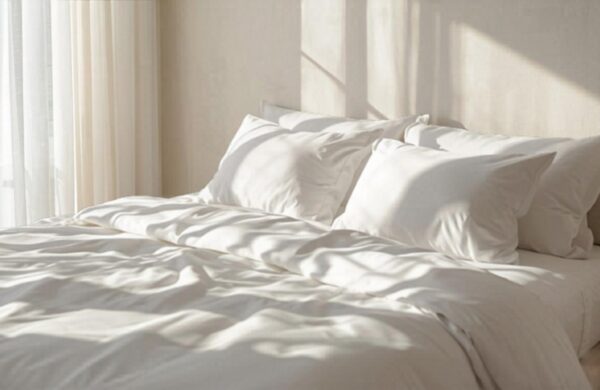
If you have sweated through the night after drinking, your sheets have taken a hit. The sweat, combined with the metabolic byproducts your body has been excreting, means your bedding is going to need some attention.
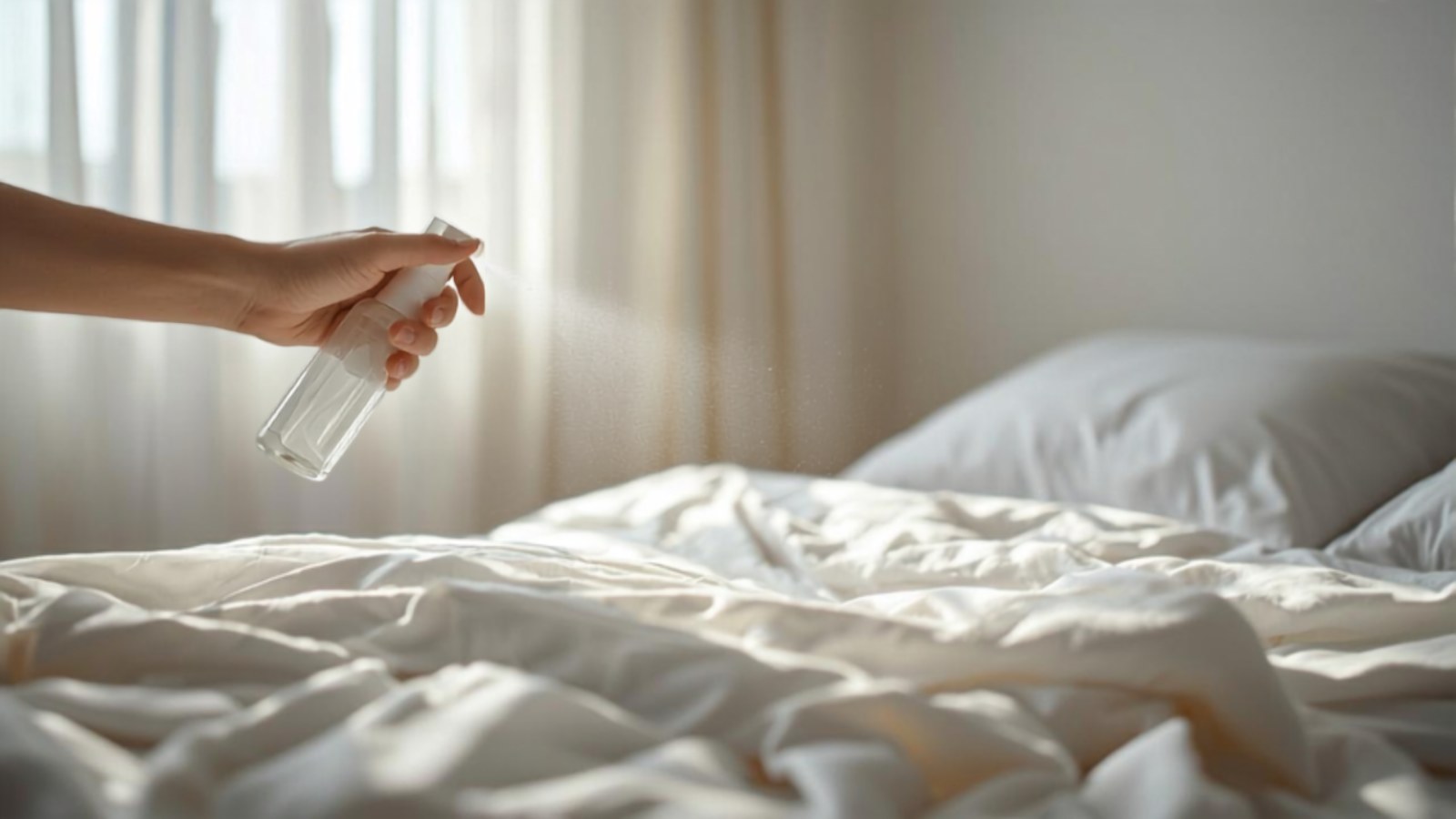
At the very least, pull your duvet right back in the morning and let everything air out thoroughly. Open a window if you can. Then give your bedding a spray with a bedding hygiene spray to tackle the bacteria before they settle in. This will not undo the sweat, but it will stop your sheets from developing that stale, sour smell that builds up when sweat sits in fabric untreated.
If you find that alcohol related sweating is a regular occurrence, it is worth investing in bedding that handles moisture well. Bamboo sheets and eucalyptus bedding wick sweat away and dry faster than cotton or synthetic alternatives, which means less damp, clammy discomfort during the night and a fresher bed in the morning.
For more on keeping your bedding fresh, especially if you are sweating regularly, see our guides on how often you should wash your sheets and why your sheets smell.
If sleeping after drinking is an issue, find out how to sleep better after drinking alcohol to improve the morning after.