You changed your sheets a few days ago and they already smell off. Maybe it is a sour smell, a musty staleness, or something you cannot quite describe but definitely do not want your face pressed against. You might have noticed that the smell is worse on your pillow, or that one side of the bed is worse than the other. And you might be wondering whether this is normal or whether something is wrong.
Here is what is actually happening in your sheets, why certain smells mean certain things, and what you can do to keep your bedding genuinely fresh rather than just temporarily clean after a wash.
Why Do Sheets Start to Smell?
Sweat itself is almost odourless. When fresh sweat comes out of your pores, it is mostly water with small amounts of salt, urea, and other minerals. If sweat were the problem, your sheets would smell of nothing.

The smell comes from bacteria. Your skin is home to millions of bacteria, and this is completely normal and healthy. These bacteria feed on the proteins and fatty acids in your sweat, and as they break down these compounds, they produce waste products that have a noticeable odour. Different bacteria produce different smells, which is why the odour from your sheets can vary.
When you sleep, you transfer these bacteria to your sheets along with the sweat they feed on. Your bedding then becomes a warm, slightly damp incubator for bacterial growth. Over the course of a few days, the bacterial population multiplies rapidly. Research found that sheets go from clean to harbouring 3 to 5 million colony forming units of bacteria per square inch within just one week. The most common type found (41% of samples) was gram negative rods, which are associated with pneumonia and other infections, and the concentration of their odorous waste products increases until you can smell it.
The speed at which this happens depends on several factors: how much you sweat, what fabric your sheets are made from, whether you shower before bed, the temperature of your bedroom, and how well your bedding can breathe. If you are someone who sweats at night, the process is significantly accelerated.
Why Does Night Sweat Smell Like Vinegar?
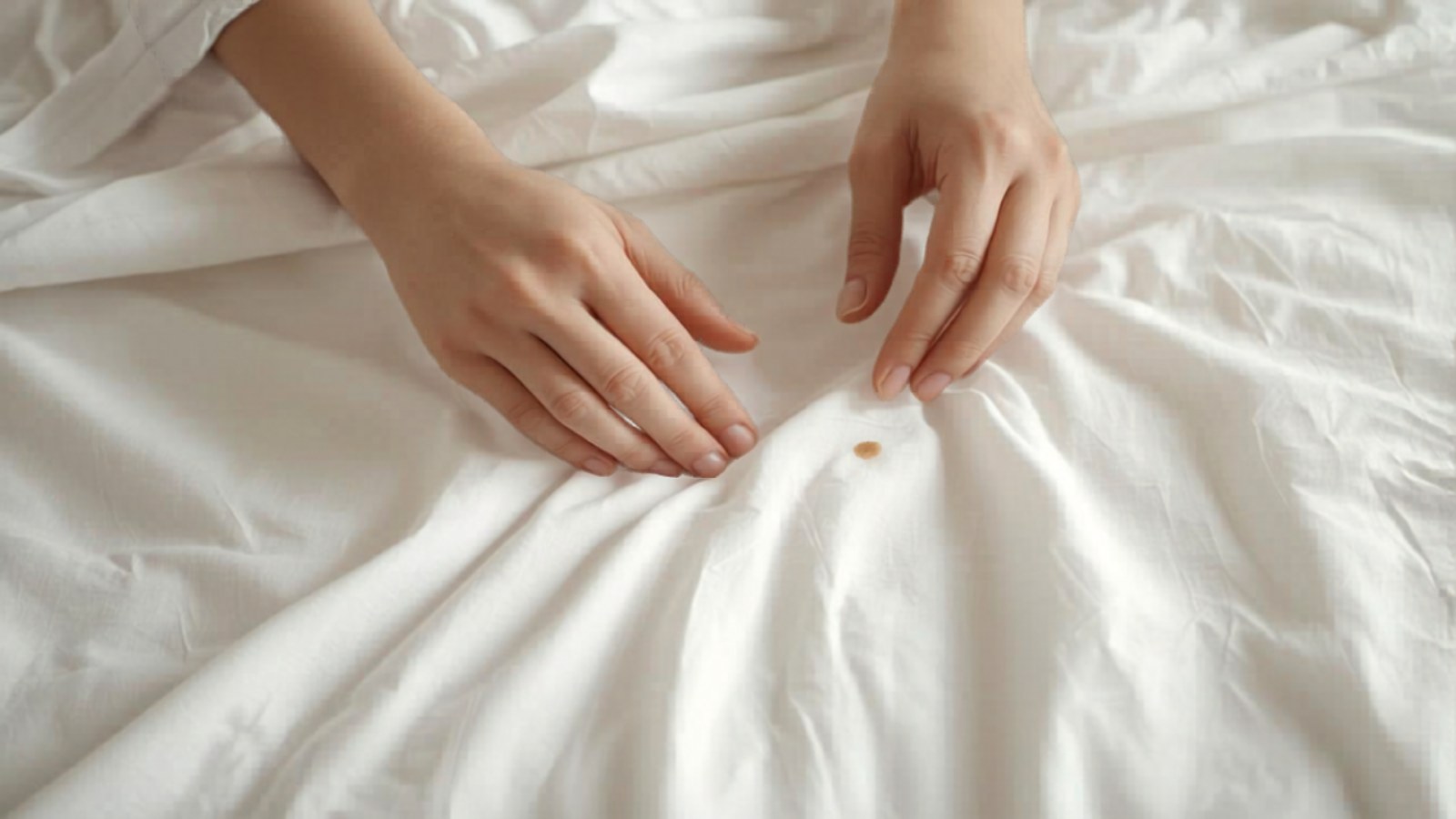
A vinegar like smell in your sheets is one of the most commonly reported odours, and it has a specific cause. The sharp, acidic smell is produced by a type of bacteria called Propionibacterium, which breaks down the amino acids in your sweat into propionic acid. Propionic acid has a chemical structure similar to acetic acid (the main component of vinegar), which is why the smell is so similar.
Propionibacterium is particularly prevalent in areas with a high concentration of apocrine sweat glands, including the armpits, chest, and groin. If you sleep on your side or stomach, these areas of your body are in direct contact with your sheets, which is why the smell tends to be strongest in the centre of the bed or on one particular side.
A vinegar smell in your sheets is not a sign of anything medically wrong. It simply means that Propionibacterium is the dominant strain of bacteria breaking down your sweat in that area. However, some dietary factors can make it worse. Eating a lot of acidic foods, consuming excess alcohol, or having a high protein diet can all change the composition of your sweat in ways that favour propionic acid production.
Why Does Night Sweat Smell Sweet or Like Sour Milk?
A sweet smell in your night sweat is produced by different bacteria breaking down different components of your sweat. Corynebacterium species, which are common on the skin, can produce compounds with a sweet or slightly fruity odour as they metabolise the lipids (fats) in your sweat.
A sour milk smell is typically caused by the bacterial breakdown of the lactic acid component of sweat. Lactic acid is naturally present in sweat, and when bacteria ferment it, the result is an odour very similar to soured dairy.
While unusual sweat smells are almost always caused by the normal bacterial activity described above, a persistently sweet smell to your sweat can occasionally be worth mentioning to your GP. In rare cases, a sweet or fruity body odour can be associated with issues with blood sugar metabolism. If the sweet smell is accompanied by increased thirst, frequent urination, or unexplained fatigue, it is worth getting checked.
How to Get Sweat Smell Out of Sheets
If your sheets have developed a persistent smell that is not coming out in a normal wash, regular detergent alone may not be enough. Here are some proven methods.
Bicarbonate of soda. Add half a cup of bicarbonate of soda to the drum along with your usual detergent. Bicarbonate neutralises odours at a molecular level rather than masking them, and it helps lift the oils and sweat residue that bacteria cling to.
White vinegar. Add half a cup of white vinegar to the rinse cycle (not the same cycle as the detergent). Vinegar breaks down the alkaline residue left by detergent and body oils, which can trap smells in the fabric. The vinegar smell dissipates completely as the sheets dry.
Enzyme based detergent. Biological (enzyme based) detergents are more effective at breaking down the protein and fat based sweat residue that causes smells. If you have been using a non biological detergent, switching to a biological one can make a significant difference.
Wash at 60 degrees. Higher temperatures kill more bacteria. If your sheets can handle it (check the care label), washing at 60 degrees Celsius rather than 40 will result in a more thorough clean.
Skip the fabric softener. Fabric softener coats the fibres of your sheets with a waxy residue that traps odours and reduces the fabric's ability to absorb and wick moisture. If you want soft sheets, the vinegar rinse method above is a better option.
Dry completely before using or storing. Damp sheets will develop a musty smell very quickly. Make sure your sheets are bone dry before putting them back on the bed or folding them away. Line drying in sunlight is ideal because UV light has natural antibacterial properties.
How to Stop Sheets Smelling Between Washes
Getting your sheets properly clean in the wash is only half the battle. The other half is keeping them fresh during the days between washes. This is where most people struggle, particularly if they sweat at night.
Air your bedding every single morning. This is the single most important habit you can develop. When you get up, pull your duvet all the way back so your sheets are fully exposed to the air. Leave it like this for at least 20 minutes. Opening a window at the same time is even better. This allows the moisture from your night's sleep to evaporate instead of sitting in the fabric and creating the warm, damp conditions that bacteria love.
Use a bedding hygiene spray. After airing your bedding, give your sheets and pillows a quick spray with a bedding hygiene spray. This targets the bacteria that cause the smell, keeping your bedding genuinely fresh rather than just temporarily dry. It takes less than 30 seconds and makes a noticeable difference to how your bed smells and feels when you get back into it that evening.
Change your pillowcase frequently. Your pillowcase accumulates bacteria faster than any other part of your bedding because your face, mouth, and hair are in direct contact with it. Swapping it every two to three days keeps the bacterial count at a manageable level.

Does Your Bedding Material Make the Smell Worse?
Yes, significantly. The fabric your sheets are made from directly affects how quickly smells develop and how stubborn they are to remove.
Synthetic fabrics (polyester, microfibre) are the worst for developing and retaining odours. They do not breathe, which means moisture from your sweat sits on the surface of the fabric rather than being absorbed and evaporated. This creates a layer of trapped moisture that bacteria thrive in. Synthetic fabrics also tend to hold onto smells even after washing, which is why polyester gym clothes can develop a permanent odour over time.
Cotton is better because it absorbs moisture and breathes reasonably well, but it can take a long time to dry and does not have any natural antibacterial properties. Standard cotton sheets will start to smell within a few days if you sweat at night.
Bamboo is one of the best fabrics for resisting odour buildup. It has natural antibacterial properties that actively slow down the growth of the bacteria responsible for smell. It is also highly breathable and moisture wicking, which means sweat is pulled away from the surface rather than sitting in the fabric. Bamboo sheets stay fresher for longer between washes, which is exactly what you want if you sweat at night.
Eucalyptus (TENCEL/Lyocell) offers similar benefits to bamboo, with excellent moisture management and resistance to bacterial growth. Eucalyptus bedding is also exceptionally smooth and comfortable against the skin, and its closed loop production process makes it one of the most sustainable bedding options available.
If your sheets consistently develop a smell within a few days of washing, and you have tried all the cleaning tips above, switching from synthetic to natural fibre bedding may be the change that actually solves the problem.