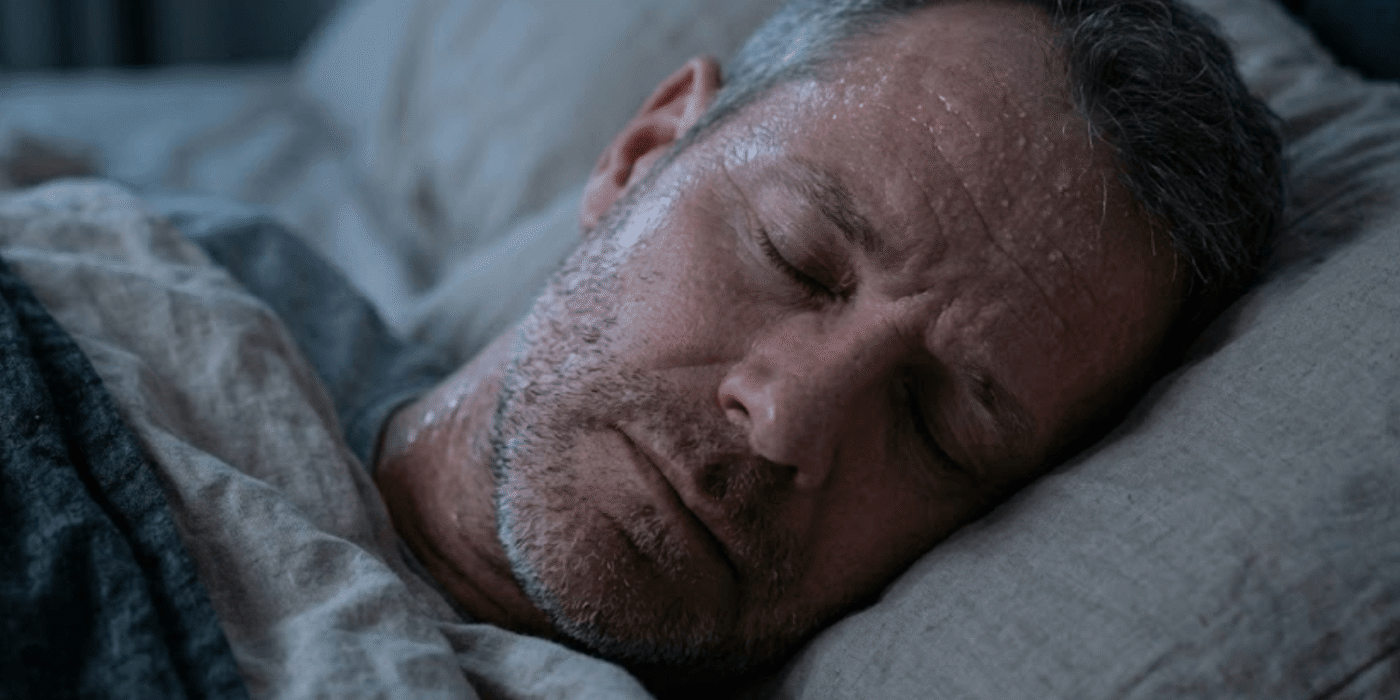
Night sweats are one of those problems where the cause matters, but so does the immediate comfort. Whether you are sweating because of hormonal changes, medication, stress, or something else entirely, there are practical steps you can take right now to reduce how much you sweat, how uncomfortable it feels, and how it affects your sleep quality.
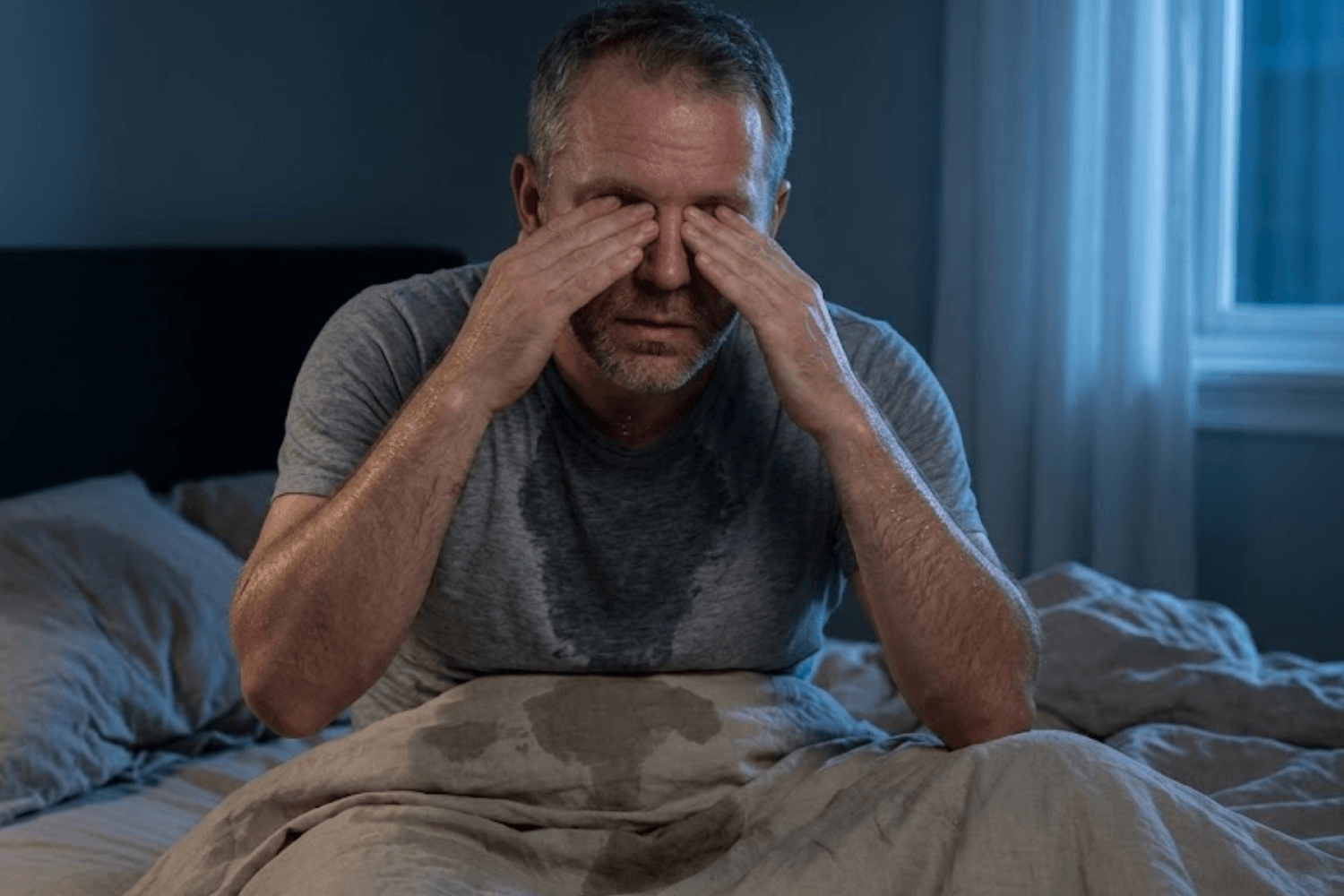
This guide focuses on what you can actually do about night sweats, tonight and every night. Some of these tips address the root causes, while others are about managing the symptoms and making your sleeping environment as sweat resistant as possible.
Get Your Bedroom Temperature Right
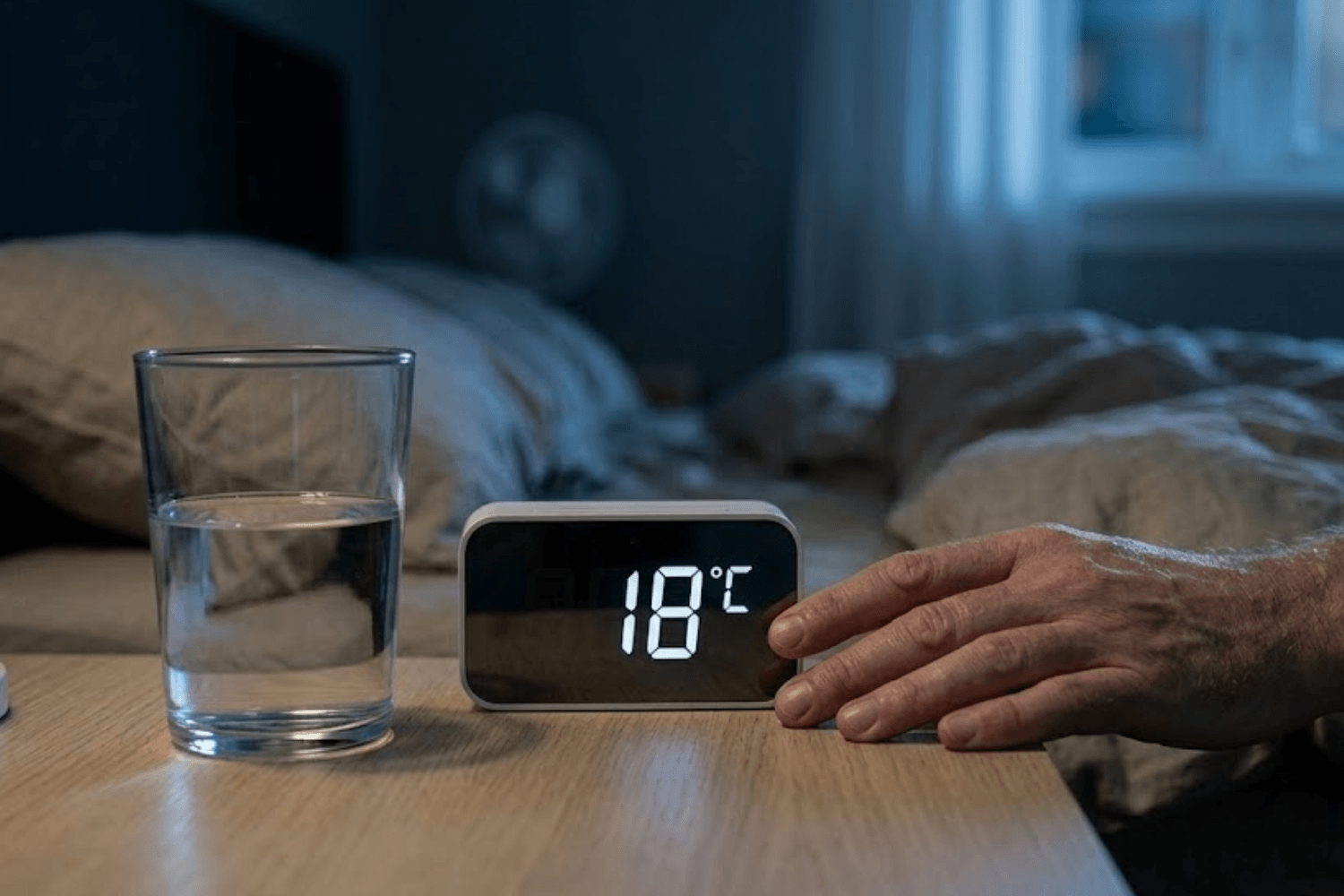
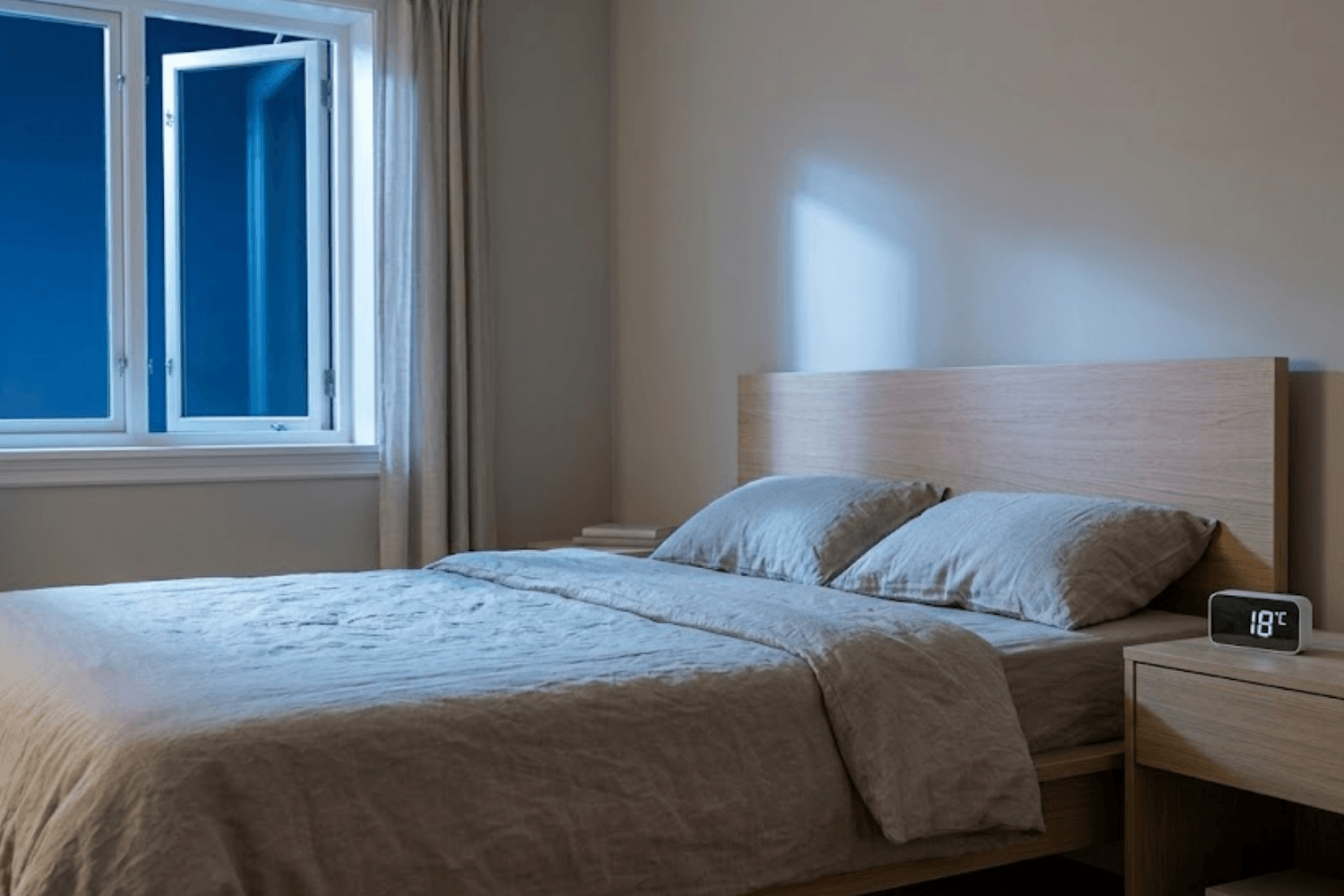
This is the simplest change you can make and one of the most effective. The ideal bedroom temperature for sleep is between 16 and 18 degrees Celsius, according to the Sleep Foundation and the NHS.
Research shows that room temperatures above 24 degrees can reduce sleep quality by up to 25%, while a cool room between 16 and 19 degrees promotes the natural drop in core body temperature that signals your brain it is time to sleep.
Above 18, your body has to work harder to cool itself, which means more sweating. Below 16, you might find it too cold to fall asleep comfortably, but anywhere in that range is the sweet spot.
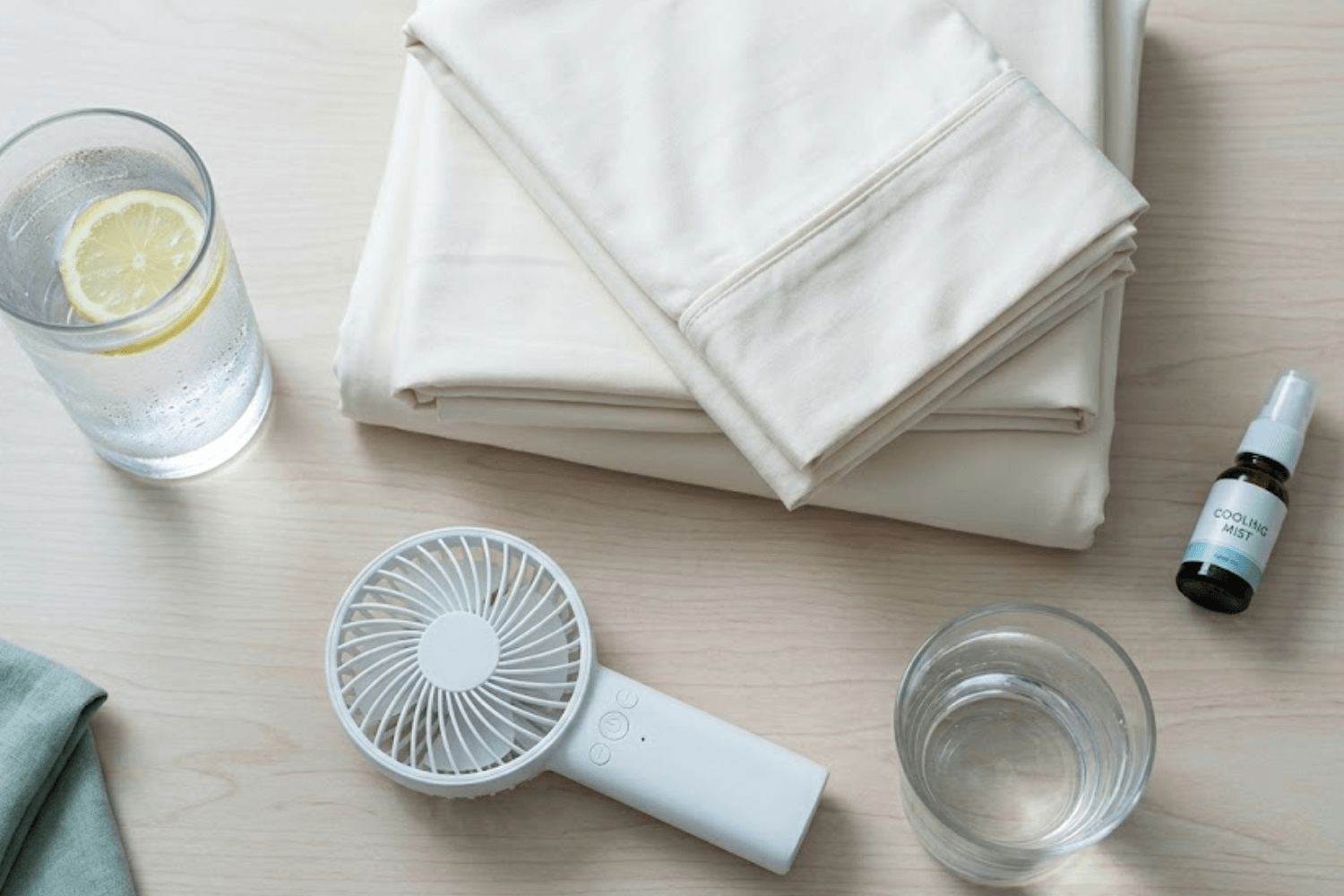
If you do not have a thermostat or cannot easily control the temperature, a fan can make a significant difference. Position it to create airflow across your bed rather than pointing it directly at your face.
If you can open a window, even a crack, the ventilation helps move warm, humid air out and cooler air in. Avoid having your radiator on in the bedroom at night. Many people leave it on out of habit, but in most UK homes the bedroom does not need additional heating overnight, especially under a duvet.
Choose the Right Bedding
Your bedding is in direct contact with your body for about eight hours every night, so it has an enormous impact on how hot you get and how quickly sweat can evaporate. The wrong bedding traps heat and moisture against your skin. The right bedding helps regulate your temperature and wicks sweat away.
Sheets and duvet covers: avoid polyester, microfibre, and synthetic blends entirely. These fabrics do not breathe and create a clammy, uncomfortable sleeping surface.
Instead, choose natural fabrics like bamboo or eucalyptus, both of which are breathable, moisture wicking, and naturally temperature regulating.
Cotton percale is also a good option, but bamboo and eucalyptus tend to perform better for people who sweat at night because of their superior moisture management.
Duvets: check your tog rating. A 10.5 or 13.5 tog duvet is far too heavy for someone who sweats at night. A 4.5 tog for summer or a 7 to 9 tog for year round use is more appropriate. Natural fillings like wool are excellent because they regulate temperature in both directions, keeping you warm when it is cool and cool when it is warm.
Pillows: memory foam pillows are notorious for trapping heat. If you are sweating at night, consider switching to a wool, buckwheat, or latex pillow with ventilation holes.
For a complete guide to choosing bedding that works for night sweats, see our article on the best bedding for night sweats.
What to Wear to Bed
The same rules that apply to bedding apply to sleepwear. Synthetic fabrics trap heat and moisture, while natural fabrics allow your skin to breathe.
Loose fitting pyjamas in bamboo or cotton are the best option. Bamboo is particularly effective because it wicks moisture away from your skin and is naturally antibacterial, which means it stays fresher for longer. Avoid tight fitting sleepwear, as this restricts airflow across your skin.
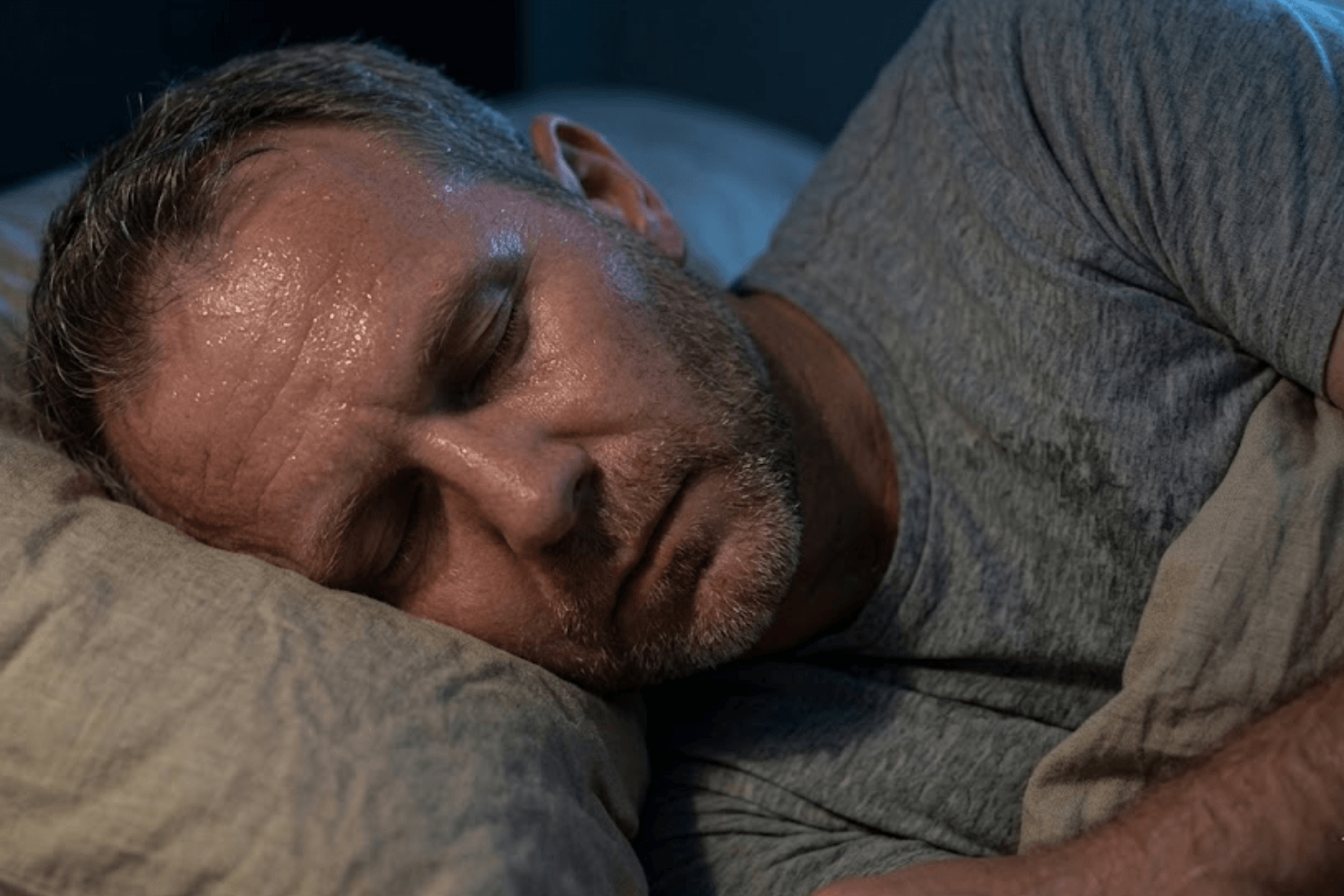
Some people find that sleeping in less clothing helps. If you are comfortable doing so, sleeping in just underwear or nothing at all can reduce the amount of fabric trapping heat against your body. Everyone is different, so experiment to find what works best for you.
Watch What You Eat and Drink Before Bed
What you consume in the two to three hours before bedtime can directly affect whether you sweat during the night.
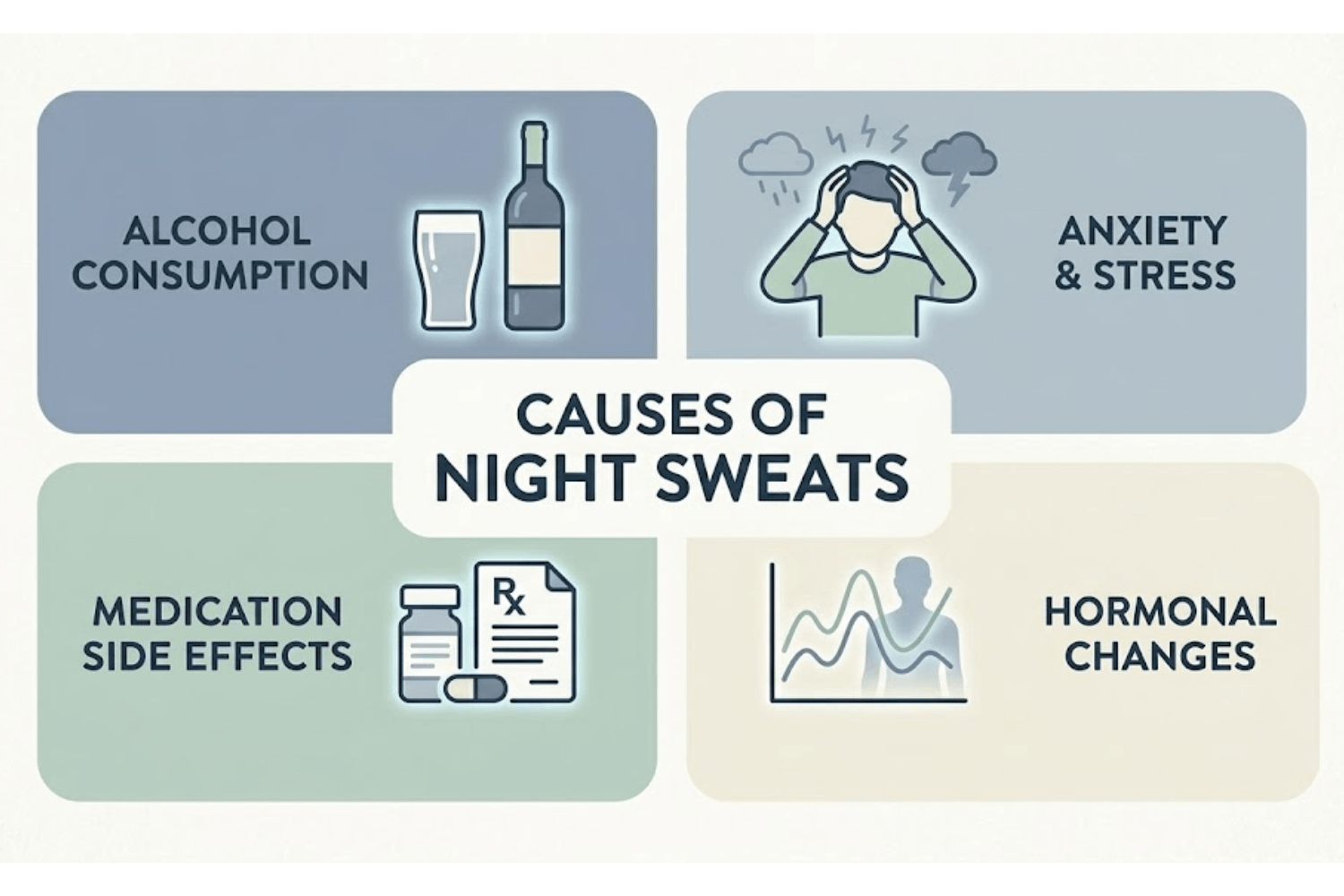
Alcohol is one of the biggest culprits. It dilates your blood vessels, disrupts your thermoregulation, and interferes with your blood sugar levels overnight. Even two drinks in the evening can cause noticeable night sweats.
If you are trying to reduce sweating, cutting out alcohol after dinner is one of the most impactful changes you can make. We cover this in detail in our guide to night sweats after drinking.
Caffeine stimulates your nervous system and can raise your body temperature. Avoid coffee, tea, and energy drinks from late afternoon onwards.
Spicy food contains capsaicin, which literally raises your body temperature by activating heat receptors. A curry for dinner might taste great, but if you are prone to night sweats it can make them worse.
Heavy meals close to bedtime force your body to work hard on digestion, which generates heat. Try to eat your main meal at least two to three hours before you plan to sleep.
Manage Stress and Wind Down Properly
Stress and anxiety are common triggers for night sweats. When your body is in a heightened state of alertness, the fight or flight response can activate during sleep, causing sweating, a racing heart, and that unpleasant sensation of waking up in a pool of sweat.
A proper evening wind down routine can help. This does not have to be complicated. Put your phone away at least 30 minutes before bed. Do something relaxing that is not screen based, whether that is reading, listening to music, or just having a quiet cup of herbal tea.
Some people find that writing down their worries or making a to do list for the next day helps clear their mind enough to fall asleep without the stress following them into sleep.
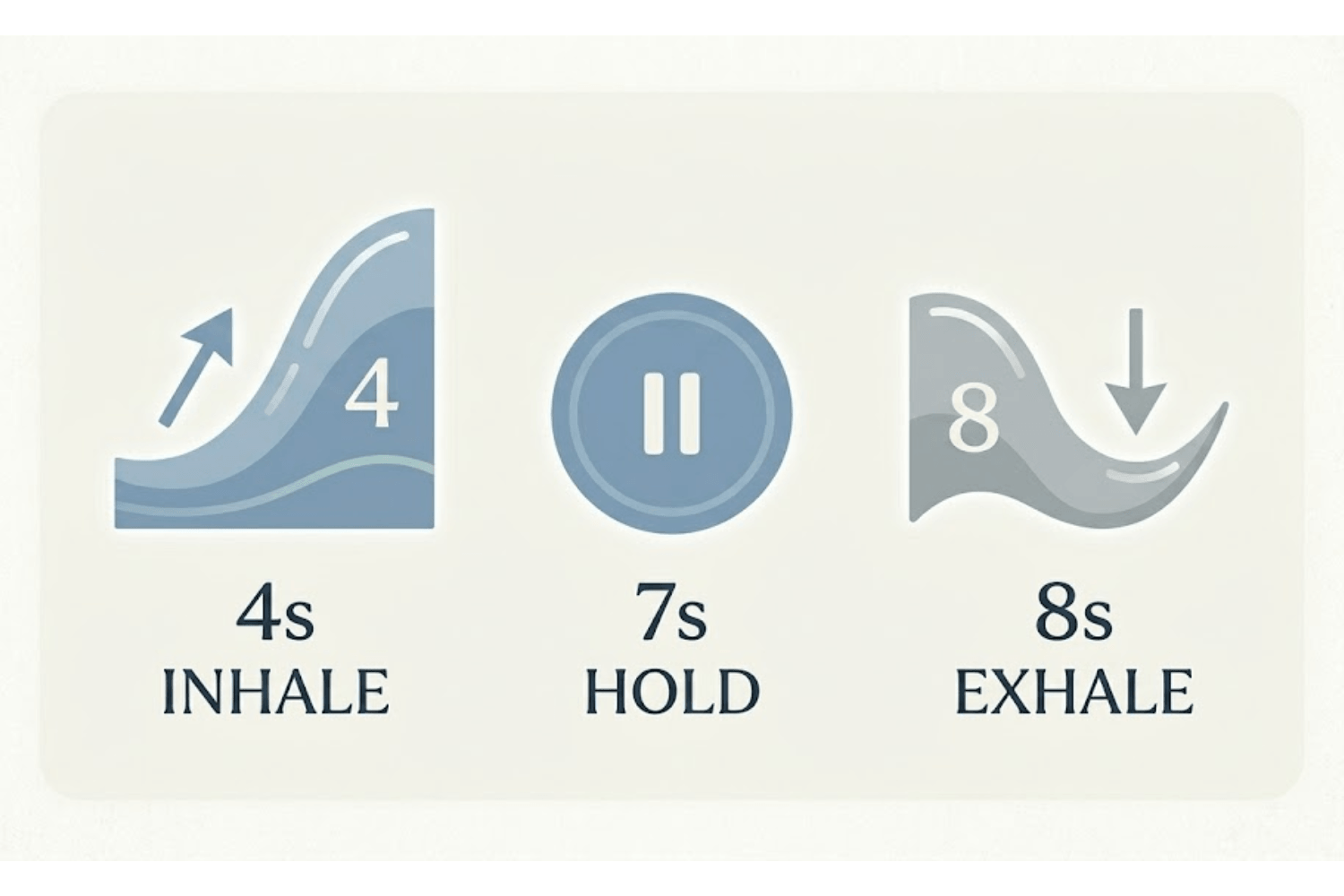
Breathing exercises can be particularly effective. The 4-7-8 technique (breathe in for 4 seconds, hold for 7, breathe out for 8) activates your parasympathetic nervous system, which is the opposite of the fight or flight response. Do this for a few minutes in bed before sleep.
If anxiety is a significant and persistent issue for you, our full guide on night sweats and anxiety covers more detailed strategies for breaking the cycle.
Stay Hydrated During the Day
It might seem counterintuitive to drink more water when you are already sweating too much, but dehydration actually makes night sweats worse. Water plays a critical role in temperature regulation.
When you are properly hydrated, your body can manage its temperature more efficiently. When you are dehydrated, your thermoregulation system is less effective, and sweating can become more intense as your body overcompensates.
Aim to drink enough water throughout the day that your urine is a pale straw colour. You do not need to down litres of water right before bed (that will just have you up using the bathroom), but consistent hydration during the day makes a measurable difference to how your body handles temperature overnight.
Review Your Medications
If your night sweats started or worsened around the same time as a new medication or dosage change, the medication could be the cause.
Antidepressants are the most common medication linked to night sweats, with a meta analysis of 76 clinical trials involving over 28,500 patients finding that both SSRIs and SNRIs approximately triple the risk of excessive sweating compared with placebo.
Up to 22% of people taking antidepressants experience sweating as a side effect, but blood pressure drugs, diabetes medications, steroids, and hormone treatments can all have the same effect.
Never stop taking a prescribed medication because of night sweats without speaking to your GP first. There may be alternative drugs that do not cause sweating, or a dosage adjustment that reduces the side effect while maintaining the therapeutic benefit. Your doctor can also help you weigh up whether the night sweats are a tolerable trade off for the benefit the medication provides.
For a detailed look at specific medications and their connection to night sweats, read our article on antidepressants and night sweats.
Use a Sleep Mask That Does Not Trap Heat
If you use a sleep mask, it could be contributing to your discomfort without you realising it. Most cheap sleep masks are made from polyester or other synthetic fabrics that do not breathe.
When your face sweats underneath a synthetic mask, the moisture has nowhere to go, and you end up with a hot, clammy band across your eyes that makes you even more uncomfortable.
A silk sleep mask is a much better option. Silk is naturally temperature regulating, breathable, and moisture wicking. It blocks light just as effectively as synthetic masks, but without trapping heat against your skin. It is also gentler on the delicate skin around your eyes, which is a bonus.
Keep Your Bedding Fresh Between Washes
You probably already know that washing your sheets regularly is important. But when you sweat at night, the gap between washes becomes a problem.
Within a day or two of putting fresh sheets on, the sweat starts to build up, bacteria begin multiplying, and your bedding starts to lose that clean, fresh feeling.
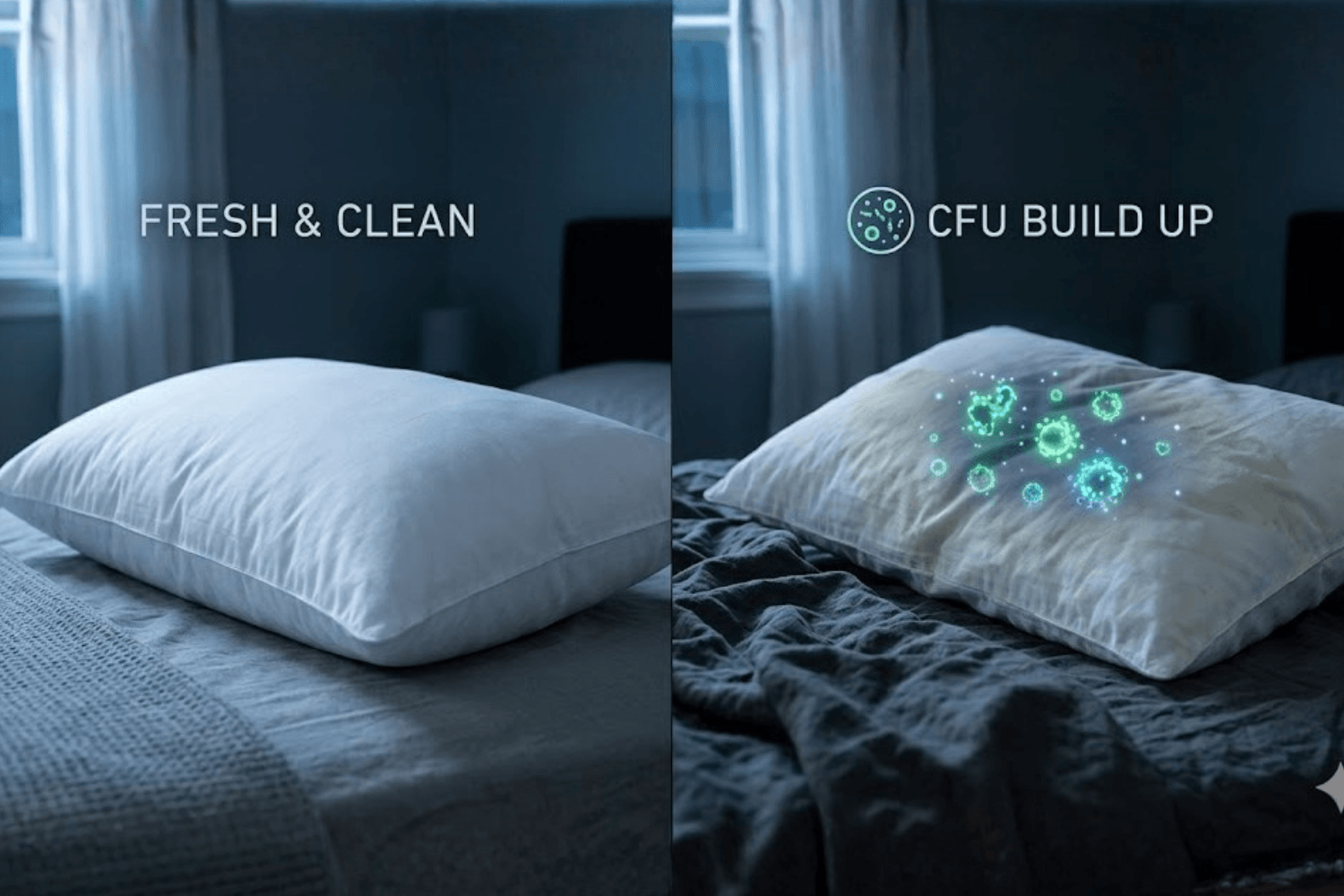
Most people cannot realistically wash their sheets every day or even every other day. That is where a daily bedding maintenance routine comes in. Every morning, pull your duvet back so your sheets can air out. Open a window if possible.
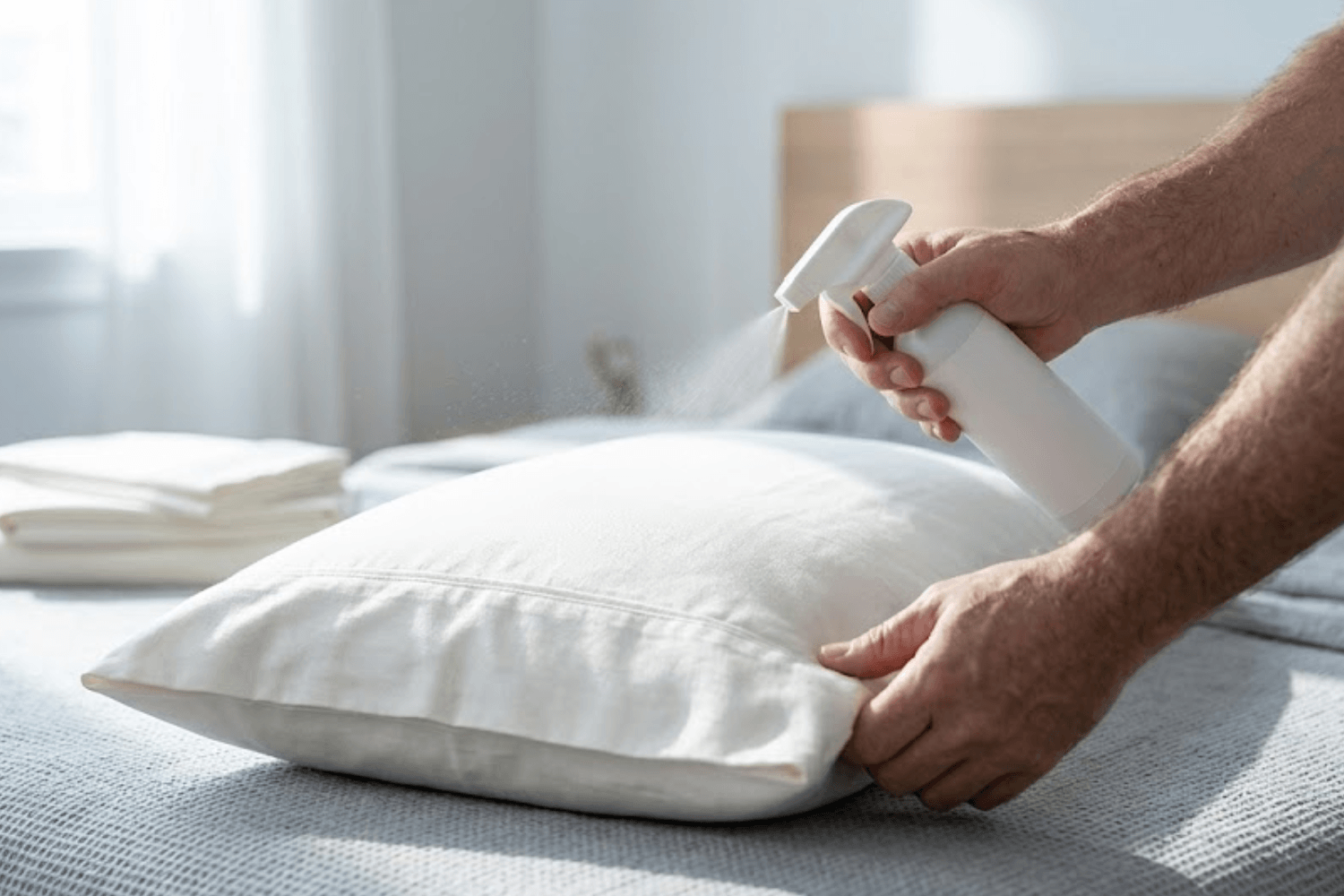
Then give your bedding a quick spray with a bedding hygiene spray to keep bacteria in check. This is not about masking the problem with fragrance.
A proper bedding hygiene spray targets the bacteria that cause odour and staleness, keeping your sheets genuinely cleaner for longer. It takes less than 30 seconds and makes a noticeable difference when you get into bed that evening.
For more on how often to wash and how to maintain bedding between washes, see our guide on how often you should wash your sheets.
When Tips Are Not Enough: Seeing Your Doctor
If you have tried all of the above and your night sweats are still significantly affecting your sleep and quality of life, it is time to see your GP. There may be an underlying cause that needs addressing, whether that is a hormonal imbalance, a thyroid issue, an undiagnosed infection, or something else.
Your GP can run blood tests to check for common causes, review your medications, and if necessary, refer you to a specialist. There are also medical treatments available for specific causes of night sweats, including hormone replacement therapy for menopausal sweats and medication adjustments for drug induced sweating.
The important thing is not to just put up with it. Night sweats are not something you have to accept as a permanent part of your life. Between lifestyle changes, the right bedding, a good daily routine, and medical support where needed, most people can significantly reduce or eliminate their night sweats.
For more on what to look out for and when to seek help, read our article on when to worry about night sweats.
Night sweats are one of those problems where the cause matters, but so does the immediate comfort. Whether you are sweating because of hormonal changes, medication, stress, or something else entirely, there are practical steps you can take right now to reduce how much you sweat, how uncomfortable it feels, and how it affects your sleep quality.
This guide focuses on what you can actually do about night sweats, tonight and every night. Some of these tips address the root causes, while others are about managing the symptoms and making your sleeping environment as sweat resistant as possible.
Get Your Bedroom Temperature Right
This is the simplest change you can make and one of the most effective. The ideal bedroom temperature for sleep is between 16 and 18 degrees Celsius, according to the Sleep Foundation and the NHS.
Research shows that room temperatures above 24 degrees can reduce sleep quality by up to 25%, while a cool room between 16 and 19 degrees promotes the natural drop in core body temperature that signals your brain it is time to sleep.
Above 18, your body has to work harder to cool itself, which means more sweating. Below 16, you might find it too cold to fall asleep comfortably, but anywhere in that range is the sweet spot.
If you do not have a thermostat or cannot easily control the temperature, a fan can make a significant difference. Position it to create airflow across your bed rather than pointing it directly at your face.
If you can open a window, even a crack, the ventilation helps move warm, humid air out and cooler air in. Avoid having your radiator on in the bedroom at night. Many people leave it on out of habit, but in most UK homes the bedroom does not need additional heating overnight, especially under a duvet.
Choose the Right Bedding
Your bedding is in direct contact with your body for about eight hours every night, so it has an enormous impact on how hot you get and how quickly sweat can evaporate. The wrong bedding traps heat and moisture against your skin. The right bedding helps regulate your temperature and wicks sweat away.
Sheets and duvet covers: avoid polyester, microfibre, and synthetic blends entirely. These fabrics do not breathe and create a clammy, uncomfortable sleeping surface.
Instead, choose natural fabrics like bamboo bedding or eucalyptus bedding, both of which are breathable, moisture wicking, and naturally temperature regulating.
Cotton percale is also a good option, but bamboo and eucalyptus tend to perform better for people who sweat at night because of their superior moisture management.
Duvets: check your tog rating. A 10.5 or 13.5 tog duvet is far too heavy for someone who sweats at night. A 4.5 tog for summer or a 7 to 9 tog for year round use is more appropriate. Natural fillings like wool are excellent because they regulate temperature in both directions, keeping you warm when it is cool and cool when it is warm.
Pillows: memory foam pillows are notorious for trapping heat. If you are sweating at night, consider switching to a wool, buckwheat, or latex pillow with ventilation holes.
For a complete guide to choosing bedding that works for night sweats, see our article on the best bedding for night sweats.
What to Wear to Bed
The same rules that apply to bedding apply to sleepwear. Synthetic fabrics trap heat and moisture, while natural fabrics allow your skin to breathe.
Loose fitting pyjamas in bamboo or cotton are the best option. Bamboo is particularly effective because it wicks moisture away from your skin and is naturally antibacterial, which means it stays fresher for longer. Avoid tight fitting sleepwear, as this restricts airflow across your skin.
Some people find that sleeping in less clothing helps. If you are comfortable doing so, sleeping in just underwear or nothing at all can reduce the amount of fabric trapping heat against your body. Everyone is different, so experiment to find what works best for you.
Watch What You Eat and Drink Before Bed
What you consume in the two to three hours before bedtime can directly affect whether you sweat during the night.
Alcohol is one of the biggest culprits. It dilates your blood vessels, disrupts your thermoregulation, and interferes with your blood sugar levels overnight. Even two drinks in the evening can cause noticeable night sweats.
If you are trying to reduce sweating, cutting out alcohol after dinner is one of the most impactful changes you can make. We cover this in detail in our guide to night sweats after drinking.
Caffeine stimulates your nervous system and can raise your body temperature. Avoid coffee, tea, and energy drinks from late afternoon onwards.
Spicy food contains capsaicin, which literally raises your body temperature by activating heat receptors. A curry for dinner might taste great, but if you are prone to night sweats it can make them worse.
Heavy meals close to bedtime force your body to work hard on digestion, which generates heat. Try to eat your main meal at least two to three hours before you plan to sleep.
Manage Stress and Wind Down Properly
Stress and anxiety are common triggers for night sweats. When your body is in a heightened state of alertness, the fight or flight response can activate during sleep, causing sweating, a racing heart, and that unpleasant sensation of waking up in a pool of sweat.
A proper evening wind down routine can help. This does not have to be complicated. Put your phone away at least 30 minutes before bed. Do something relaxing that is not screen based, whether that is reading, listening to music, or just having a quiet cup of herbal tea.
Some people find that writing down their worries or making a to do list for the next day helps clear their mind enough to fall asleep without the stress following them into sleep.
Breathing exercises can be particularly effective. The 4-7-8 technique (breathe in for 4 seconds, hold for 7, breathe out for 8) activates your parasympathetic nervous system, which is the opposite of the fight or flight response. Do this for a few minutes in bed before sleep.
If anxiety is a significant and persistent issue for you, our full guide on night sweats and anxiety covers more detailed strategies for breaking the cycle.
Stay Hydrated During the Day
It might seem counterintuitive to drink more water when you are already sweating too much, but dehydration actually makes night sweats worse. Water plays a critical role in temperature regulation.
When you are properly hydrated, your body can manage its temperature more efficiently. When you are dehydrated, your thermoregulation system is less effective, and sweating can become more intense as your body overcompensates.
Aim to drink enough water throughout the day that your urine is a pale straw colour. You do not need to down litres of water right before bed (that will just have you up using the bathroom), but consistent hydration during the day makes a measurable difference to how your body handles temperature overnight.
Review Your Medications
If your night sweats started or worsened around the same time as a new medication or dosage change, the medication could be the cause.
Antidepressants are the most common medication linked to night sweats, with a meta analysis of 76 clinical trials involving over 28,500 patients finding that both SSRIs and SNRIs approximately triple the risk of excessive sweating compared with placebo.
Up to 22% of people taking antidepressants experience sweating as a side effect, but blood pressure drugs, diabetes medications, steroids, and hormone treatments can all have the same effect.
Never stop taking a prescribed medication because of night sweats without speaking to your GP first. There may be alternative drugs that do not cause sweating, or a dosage adjustment that reduces the side effect while maintaining the therapeutic benefit. Your doctor can also help you weigh up whether the night sweats are a tolerable trade off for the benefit the medication provides.
For a detailed look at specific medications and their connection to night sweats, read our article on antidepressants and night sweats.
Use a Sleep Mask That Does Not Trap Heat
If you use a sleep mask, it could be contributing to your discomfort without you realising it. Most cheap sleep masks are made from polyester or other synthetic fabrics that do not breathe.
When your face sweats underneath a synthetic mask, the moisture has nowhere to go, and you end up with a hot, clammy band across your eyes that makes you even more uncomfortable.
A silk sleep mask is a much better option. Silk is naturally temperature regulating, breathable, and moisture wicking. It blocks light just as effectively as synthetic masks, but without trapping heat against your skin. It is also gentler on the delicate skin around your eyes, which is a bonus.
Keep Your Bedding Fresh Between Washes
You probably already know that washing your sheets regularly is important. But when you sweat at night, the gap between washes becomes a problem.
Within a day or two of putting fresh sheets on, the sweat starts to build up, bacteria begin multiplying, and your bedding starts to lose that clean, fresh feeling.
Most people cannot realistically wash their sheets every day or even every other day. That is where a daily bedding maintenance routine comes in. Every morning, pull your duvet back so your sheets can air out. Open a window if possible.
Then give your bedding a quick spray with a bedding hygiene spray to keep bacteria in check. This is not about masking the problem with fragrance.
A proper bedding hygiene spray targets the bacteria that cause odour and staleness, keeping your sheets genuinely cleaner for longer. It takes less than 30 seconds and makes a noticeable difference when you get into bed that evening.
For more on how often to wash and how to maintain bedding between washes, see our guide on how often you should wash your sheets.
When Tips Are Not Enough: Seeing Your Doctor
If you have tried all of the above and your night sweats are still significantly affecting your sleep and quality of life, it is time to see your GP. There may be an underlying cause that needs addressing, whether that is a hormonal imbalance, a thyroid issue, an undiagnosed infection, or something else.
Your GP can run blood tests to check for common causes, review your medications, and if necessary, refer you to a specialist. There are also medical treatments available for specific causes of night sweats, including hormone replacement therapy for menopausal sweats and medication adjustments for drug induced sweating.
The important thing is not to just put up with it. Night sweats are not something you have to accept as a permanent part of your life. Between lifestyle changes, the right bedding, a good daily routine, and medical support where needed, most people can significantly reduce or eliminate their night sweats.
For more on what to look out for and when to seek help, read our article on when to worry about night sweats.