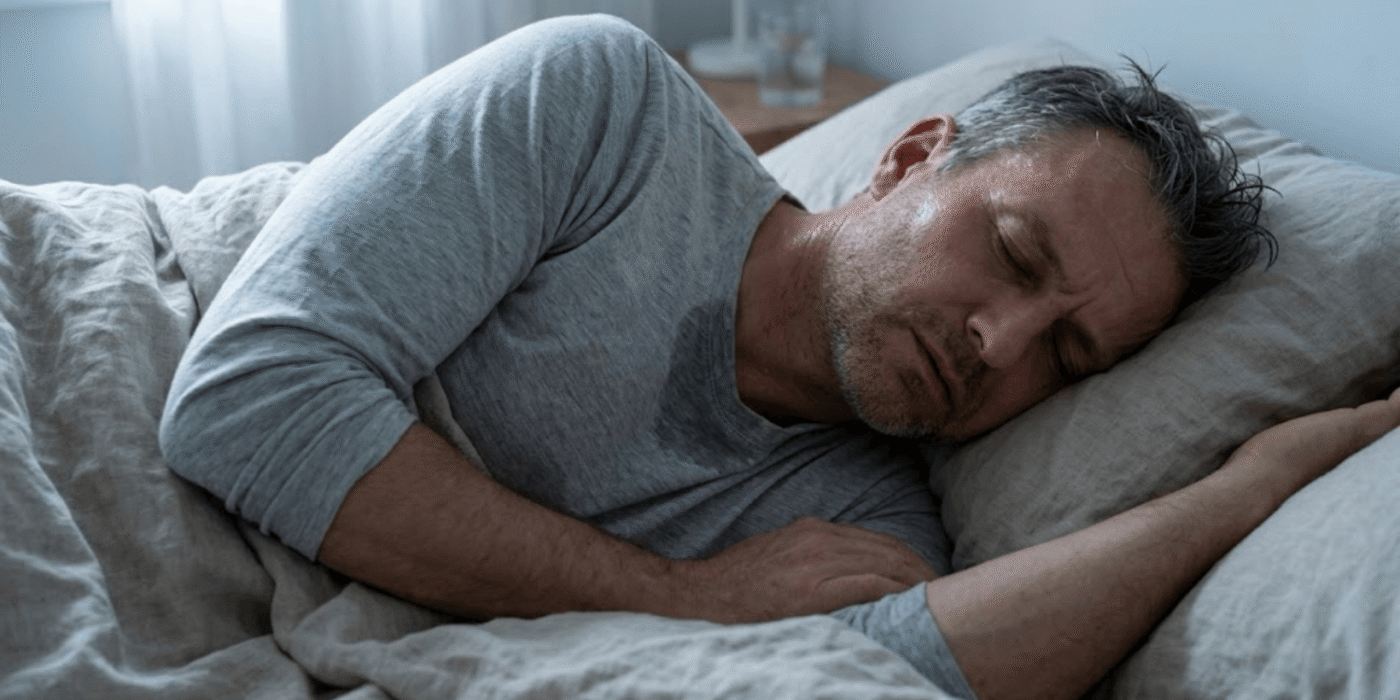
Night sweats are far more common than most people realise. A study published in the Journal of Family Practice found that 41% of over 2,200 primary care patients reported experiencing night sweats within the previous month.
A systematic review of the research put the prevalence at between 10% and 41% depending on the population studied, with the highest rates occurring in people aged 41 to 55. Only 12% of those affected ever mentioned it to their doctor, which means millions of people are dealing with this silently.
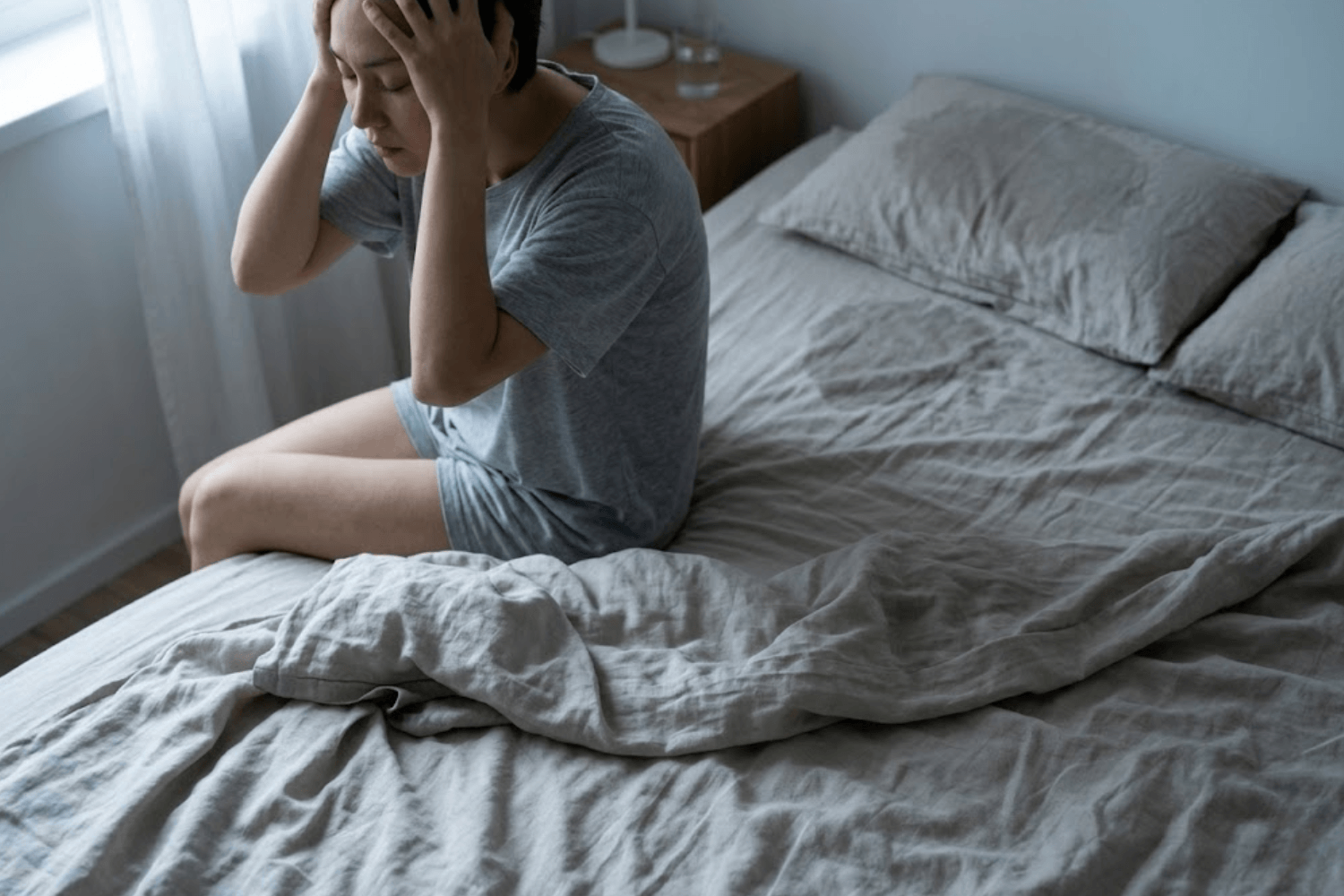
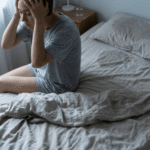
Waking up in the middle of the night drenched in sweat is one of the most uncomfortable sleep experiences there is. Your sheets are damp, your pillow feels wrong, and even after you cool down it takes ages to fall back to sleep.
If this sounds familiar, you are not alone. Research suggests that up to 40% of people visiting their GP report experiencing night sweats at some point, and the real number is likely higher because many people never mention it to their doctor.
Night sweats are different from simply being too warm in bed. Everyone gets a bit sweaty on a hot summer night or under a thick duvet, but true night sweats happen regardless of your bedroom temperature.
They are caused by internal factors, not external ones, and they can leave your clothes and bedding completely soaked. This guide covers everything you need to know about night sweats, from what causes them to how to manage them, and importantly, what to do about your bedding when sweating at night is a regular occurrence.
What Are Night Sweats?
Night sweats refer to repeated episodes of excessive sweating during sleep that are severe enough to soak through your nightclothes and sheets.
The key distinction is that night sweats are not caused by your sleeping environment. If your bedroom is too hot or your duvet is too thick, that is just overheating. Night sweats happen even when the room is cool and your bedding is light.
Your body temperature naturally dips during sleep as part of your circadian rhythm. Sweating is your body's way of regulating that temperature, controlled by a part of the brain called the hypothalamus.
When something disrupts this system, whether it is hormones, medication, illness, or stress, the hypothalamus can trigger sweating even when your body does not actually need to cool down.
Most people who experience night sweats find them uncomfortable and disruptive, but in the majority of cases they are not a sign of anything serious. That said, persistent night sweats that come with other symptoms should always be checked by a doctor.
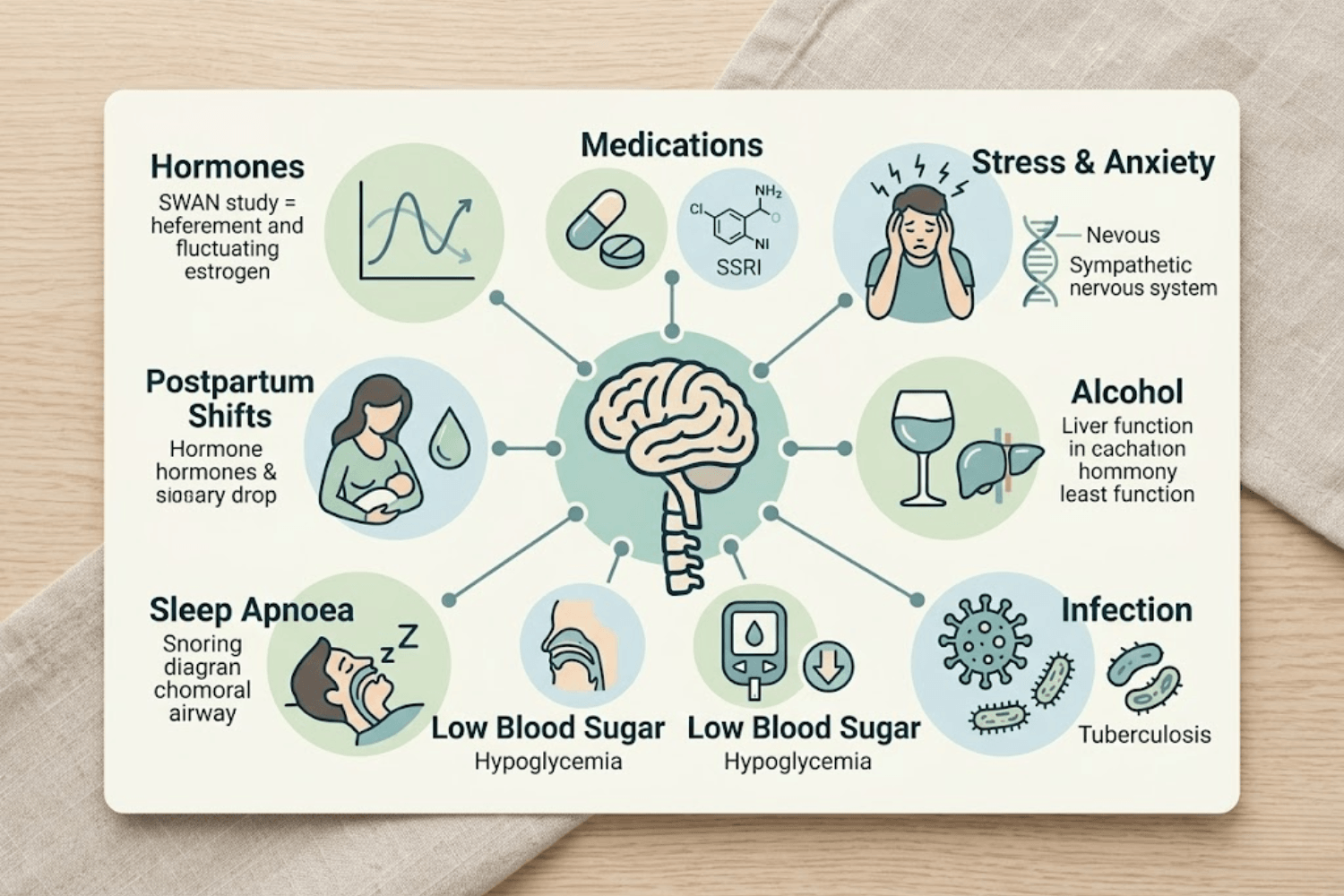
What Causes Night Sweats?
There is no single cause of night sweats. They can be triggered by a wide range of factors, and sometimes by a combination of several at once. Here are the most common reasons people sweat excessively at night.
Hormonal changes
Around 75% of women going through perimenopause and menopause experience hot flushes and night sweats, with approximately 30% experiencing severe symptoms. The SWAN study (Study of Women's Health Across the Nation), which followed over 3,300 women, found that vasomotor symptoms last an average of 7.4 years.
Women who started experiencing symptoms before their periods stopped had them for an average of 9 to 10 years as their oestrogen levels fluctuate. But hormonal night sweats are not limited to menopause. They also commonly occur during perimenopause, pregnancy, the postpartum period, and even before menstruation.
In men, declining testosterone levels can have a similar effect on thermoregulation, particularly from the age of 40 onwards. For a detailed look at how these work, see our guides on night sweats in women and menopause and night sweats in men.
Medications
A surprisingly long list of common medications can cause night sweats as a side effect. Antidepressants are among the most frequent culprits, with SSRIs like sertraline and fluoxetine affecting between 8% and 22% of users.
Other medications that can trigger sweating at night include blood pressure drugs, diabetes medications, steroids, hormone treatments, and even over the counter painkillers like ibuprofen. If you suspect your medication might be causing night sweats, never stop taking it without speaking to your GP first. We cover this in more detail in our article on antidepressants and night sweats.
Anxiety and stress
Stress activates your sympathetic nervous system, the fight or flight response, and this can trigger sweating during sleep just as easily as it does during a stressful moment in the day.
Anxiety and night sweats often create a vicious cycle: the anxiety causes the sweats, the sweats disrupt your sleep, and the disrupted sleep makes your anxiety worse. Read more in our article on night sweats and anxiety.
Alcohol
Even moderate drinking can cause night sweats. Alcohol causes your blood vessels to dilate, which initially makes you feel warm, and then your body overcompensates by sweating.
It also disrupts your normal temperature regulation and affects blood sugar levels, both of which can trigger sweating during sleep. Our guide on night sweats after drinking explains this in full.
Infections and illness
Bacterial and viral infections commonly cause night sweats as your body fights off the invader. This is most noticeable with the flu, where night sweats can be intense for several days.
Tuberculosis is historically associated with night sweats, though it is rare in the UK. Some ongoing infections can cause persistent sweating at night.
Low blood sugar
When blood sugar drops too low, your body releases adrenaline to bring it back up. That adrenaline surge can cause sweating, particularly at night.
This is especially common in people with diabetes, but can also affect anyone who goes to bed on an empty stomach or after heavy exercise. See our article on when to worry about night sweats for more on this.
Sleep apnoea
People with untreated sleep apnoea repeatedly stop breathing during the night. An Icelandic cohort study of 822 sleep apnoea patients found that 31% reported frequent nocturnal sweating, which was three times higher than the 11% rate in the general population.
The study also found that sweating decreased to general population levels once patients began successful treatment with positive airway pressure therapy. Each time, the body goes into a brief fight or flight state to restart breathing, and this can trigger sweating. If you snore heavily and wake up sweating, it is worth mentioning both symptoms to your doctor.
Postpartum hormonal shifts
New mothers frequently experience intense night sweats in the weeks after giving birth. This is caused by the dramatic drop in oestrogen and progesterone after delivery, combined with the body shedding excess fluid retained during pregnancy.
It typically resolves within a few weeks but can persist longer in women who are breastfeeding. We have a full guide on night sweats after pregnancy.
Night Sweats in Women
Women are disproportionately affected by night sweats, largely because of the hormonal changes that occur throughout their lives. Menstruation, pregnancy, perimenopause, and menopause all involve significant hormonal fluctuations that can disrupt the body's temperature regulation.
The most common trigger is menopause, where declining oestrogen levels cause the hypothalamus to become more sensitive to temperature changes. This leads to hot flushes during the day and drenching sweats at night.
But many women also experience night sweats in the days before their period, during early pregnancy, and while breastfeeding. Sweating around the neck and chest at night is particularly common in women going through hormonal changes, as the neck and chest area has a high concentration of sweat glands and blood vessels close to the skin surface.
For a complete breakdown of causes and solutions, read our full guide on night sweats in women and menopause. If you are looking for bedding specifically designed for menopausal night sweats, take a look at our bedding for the menopause collection.
Night Sweats in Men
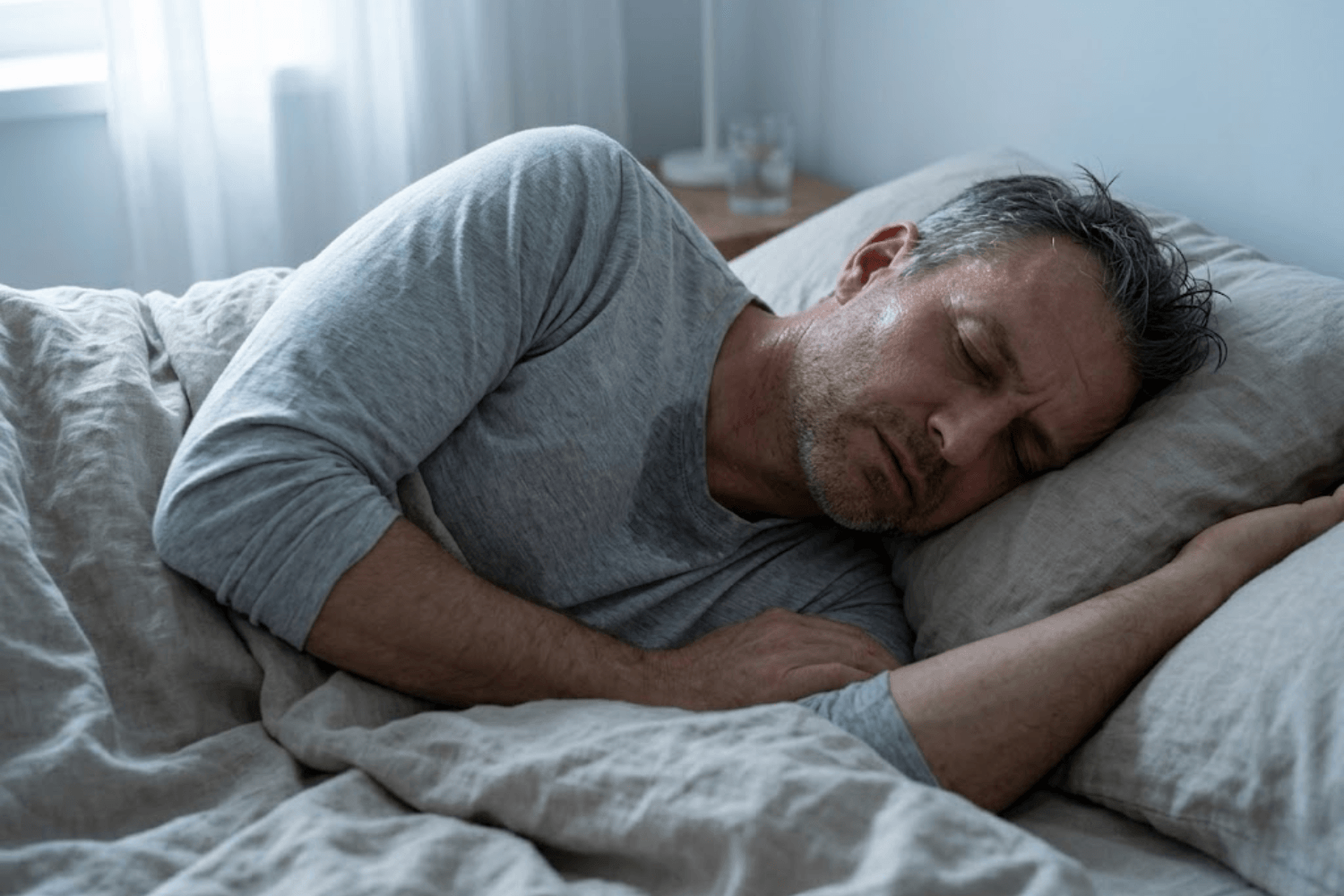
Night sweats in men are more common than most people realise. With over 13,000 monthly searches in the UK alone for terms related to male night sweats, it is clear that a lot of men are dealing with this problem.
Yet most of the content online focuses almost exclusively on menopause, leaving men without much useful information. Common causes of night sweats in men include low testosterone (which can begin declining from the mid 30s), alcohol consumption, stress, medications, infections, and sleep apnoea.
Low testosterone in particular can cause disrupted thermoregulation that leads to night sweats, and it is worth getting tested if you are a man over 40 experiencing regular night sweats alongside fatigue or low mood. Our full guide on night sweats in men covers all the causes, practical solutions, and when to see your doctor.
How to Stop Night Sweats
While the underlying cause of your night sweats will determine the most effective long term solution, there are practical steps that can help reduce their frequency and severity regardless of the cause.
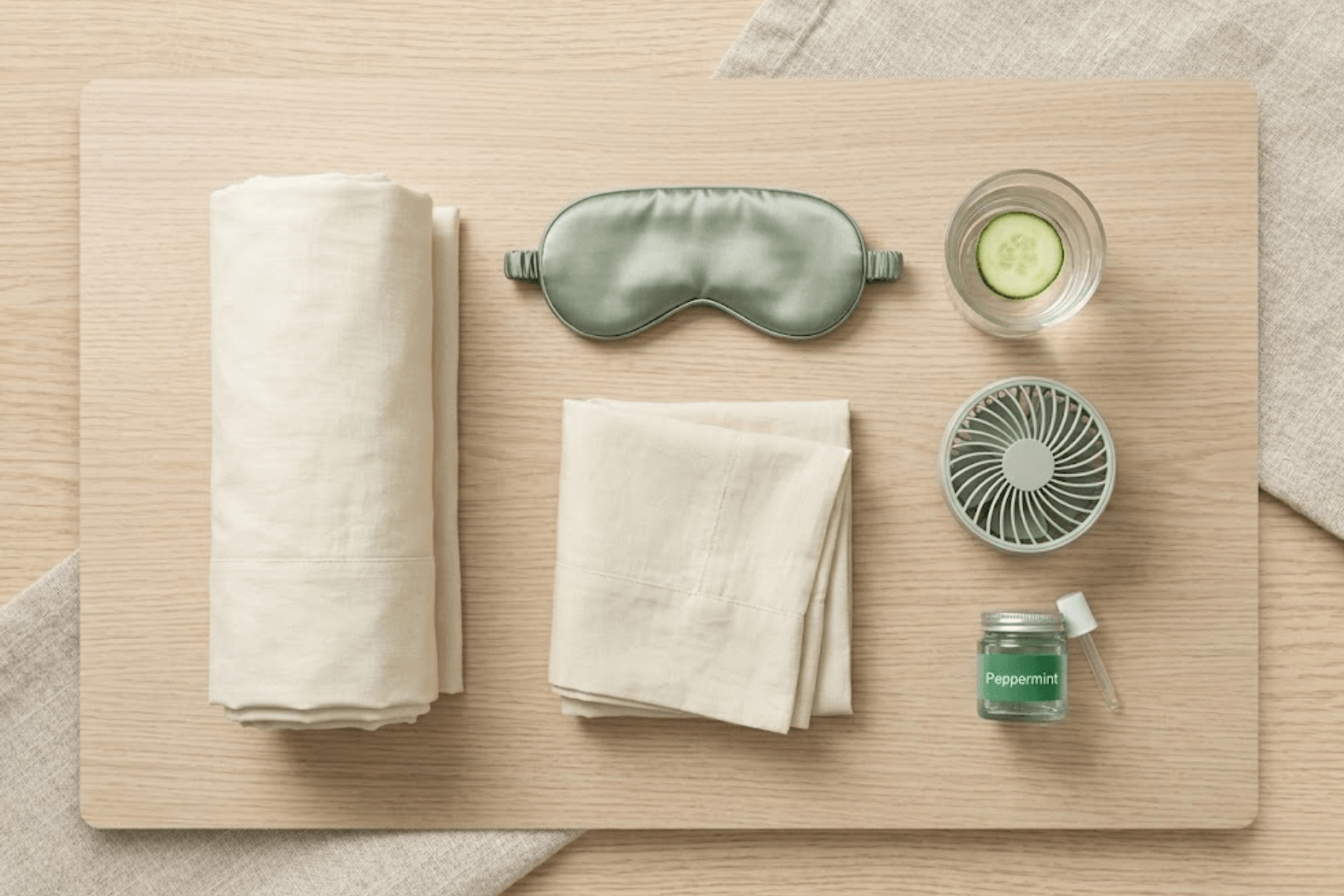
Keep your bedroom cool. The ideal sleeping temperature is between 16 and 18 degrees Celsius. Use a fan, open a window, or adjust your thermostat. This will not cure night sweats caused by hormonal or medical factors, but it gives your body less work to do.
Watch what you eat and drink before bed. Alcohol, caffeine, and spicy food can all raise your core body temperature and trigger sweating. Try cutting these out for two to three hours before bedtime and see if it makes a difference.
Wear breathable sleepwear. Loose fitting pyjamas in natural fabrics like bamboo or cotton are far better than synthetic materials. Or if you prefer, sleeping with less on can help too.
Manage stress. If anxiety is contributing to your night sweats, establishing a proper wind down routine before bed can help. This might include putting your phone away an hour before sleep, doing some light reading, or practising breathing exercises. Our article on night sweats and anxiety goes into this in more detail.
Use a sleep mask that does not trap heat. If you use a sleep mask, make sure it is not making things worse. Synthetic sleep masks can make your face sweat. A silk sleep mask is naturally temperature regulating and breathable, so it blocks light without adding heat.
For a complete list of practical tips, see our full article on how to stop night sweats.
Keeping Your Bedding Fresh When You Sweat at Night
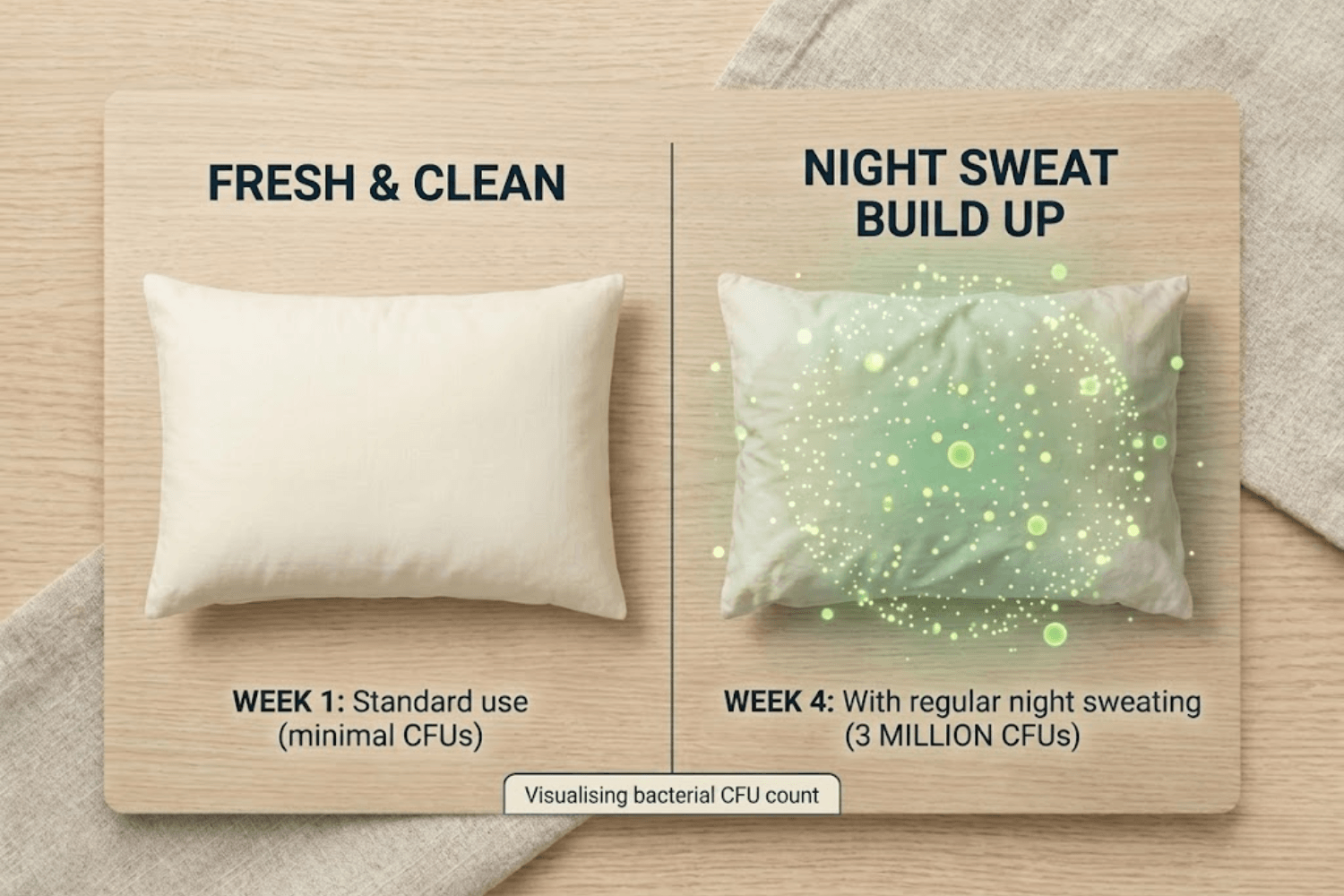
This is the part that most night sweats articles ignore, and it is arguably the part that affects your daily comfort the most. When you sweat into your sheets every night, bacteria begin to multiply rapidly.
Your bedding becomes a warm, damp environment that is ideal for bacterial growth, and this happens much faster than it would for someone who does not sweat at night. A study by Amerisleep found that after just one week of use, pillowcases contain around 3 million colony forming units (CFUs) of bacteria per square inch.
That is roughly 17,000 times more bacteria than a toilet seat. By four weeks, that number climbs to nearly 12 million CFUs. The most common bacteria found were gram negative rods, which are associated with pneumonia and other infections. If you are sweating heavily, the buildup is even faster.
This bacteria is what causes your sheets to smell. Sweat itself is actually odourless. It is the bacteria feeding on your sweat that produces the unpleasant odours, whether that is a sour smell, a vinegar like smell, or just general staleness. We go into the science of this in our article on why your sheets smell.
The obvious solution is to wash your sheets more often, and we would recommend at least once a week as a minimum. But realistically, most people cannot strip and wash their bedding every day, especially new parents, busy professionals, or anyone who simply does not have the time or energy.
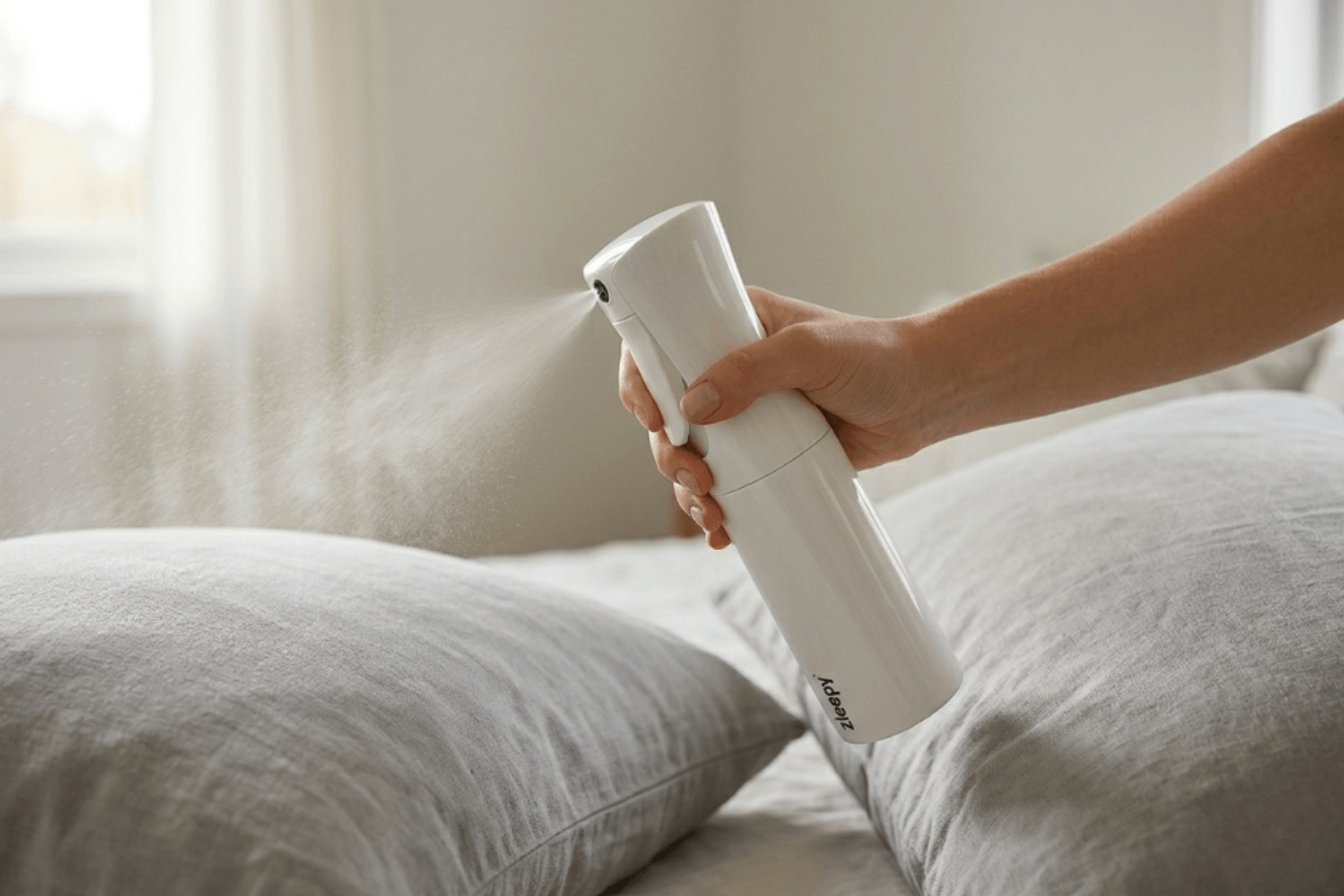
That is where a daily bedding routine comes in. Every morning, pull your duvet back to let your bedding air out. Open a window if you can. And use a bedding hygiene spray to tackle the bacteria that have built up overnight.
It takes about 30 seconds, it keeps your bedding fresh and hygienic between washes, and it makes a noticeable difference to how your bed feels and smells when you get back into it that night. Think of it like brushing your teeth. You would not skip brushing just because you are going to eat again tomorrow. Your bedding is something you press your face against for eight hours every night. It deserves the same daily attention.
When Should You See a Doctor About Night Sweats?
Most night sweats are caused by benign factors like hormonal changes, stress, alcohol, or your sleep environment. But there are some situations where night sweats should prompt a visit to your GP.
You should make an appointment if your night sweats are persistent and drenching (soaking through your clothes and sheets regularly), if they are accompanied by unexplained weight loss, if you have a persistent fever or cough, if you notice any lumps or swelling, or if you feel unusually fatigued alongside the sweating.
Night sweats can occasionally be associated with more serious conditions including certain infections, thyroid problems, and in rare cases, some types of cancer such as lymphoma. However, it is important not to jump to conclusions. In the vast majority of cases, night sweats have a straightforward explanation and are very manageable.
For a full breakdown of what to look out for and what your doctor will check, read our guide on when you should worry about night sweats.
Living With Night Sweats
Night sweats can be frustrating, but for most people they are manageable with the right approach. The combination of addressing the root cause, optimising your sleep environment, choosing the right bedding materials, and maintaining a daily bedding hygiene routine can make an enormous difference.
If you are not sure where to start, here is a quick summary of the most useful resources we have put together:
How to Stop Night Sweats covers the practical steps you can take right now.
Best Bedding for Night Sweats helps you choose the right duvets, sheets, and pillows.
How Often Should You Wash Your Sheets? covers washing frequency and what to do between washes.
And if you want to explore our range of products designed to help people who sweat at night, take a look at our bamboo bedding, eucalyptus bedding, and silk sleep masks.