If you are a man waking up in the middle of the night drenched in sweat, you might feel like you are the only one dealing with it. You are not. Night sweats in men are extremely common, yet almost every article on the subject focuses on menopause, leaving millions of men without useful information about why they are sweating and what they can do about it.
Research shows that night sweats peak in prevalence between the ages of 41 and 55 for both men and women, but men are far less likely to discuss the problem with their doctor. In one study, only 12% of patients who experienced night sweats had reported the symptom to their physician without being specifically asked about it.
The causes of night sweats in men range from the straightforward (too much alcohol, stress, the wrong bedding) to the medical (low testosterone, medication side effects, underlying health conditions). This guide covers all of them, along with practical steps you can take tonight to start sleeping better.
Why Do Men Get Night Sweats?
Night sweats happen when your body's temperature regulation system is triggered to produce sweat even though you do not actually need to cool down. This system is controlled by the hypothalamus, a part of your brain that acts like an internal thermostat. When something disrupts the hypothalamus, whether it is hormonal changes, chemical substances, illness, or emotional stress, you sweat.
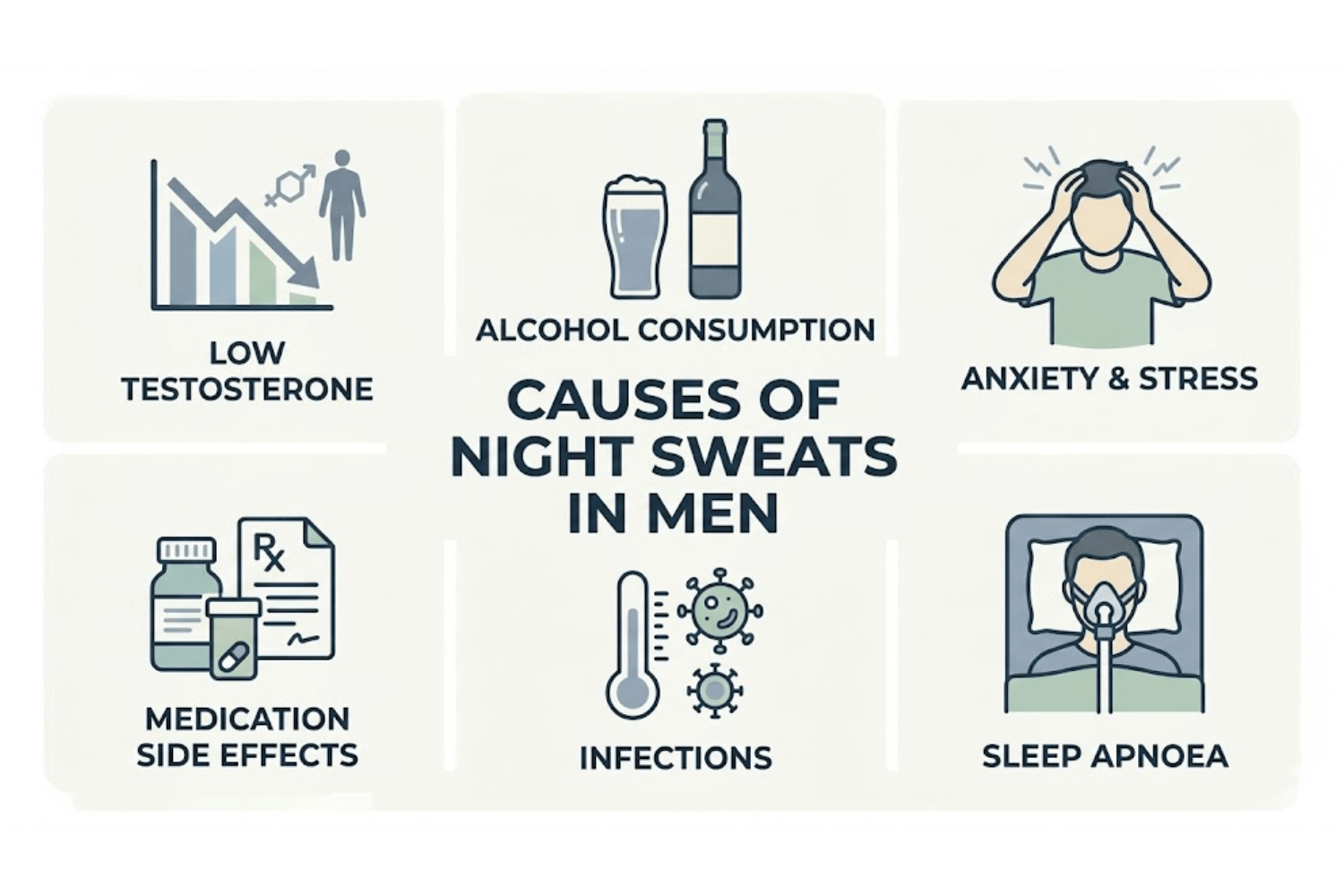
In men, the most common causes are low testosterone, alcohol, stress, medications, and infections. Less commonly, night sweats can be linked to conditions like sleep apnoea, diabetes, or thyroid problems. Let us go through each one.
Low Testosterone and Night Sweats
Testosterone plays a direct role in how your body regulates temperature. When testosterone levels drop, the hypothalamus can become more sensitive to minor temperature changes and trigger sweating in response to shifts that it would normally ignore.
Testosterone naturally begins to decline in men from around the age of 30, dropping by roughly 1% to 2% per year. By age 45, approximately 40% of men have testosterone levels below the normal range. By 70, that figure rises to around 70%.
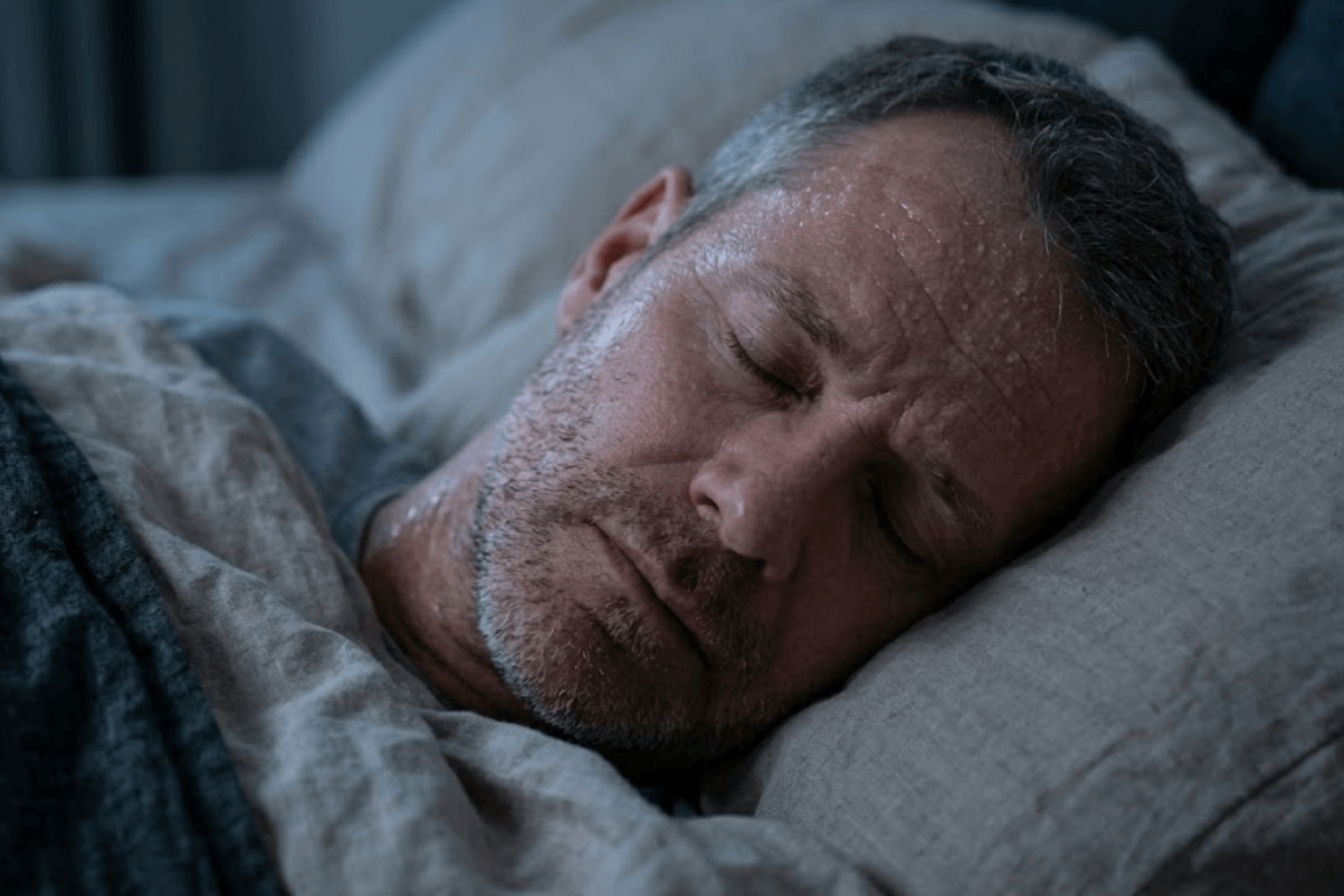
By the time you reach your 40s or 50s, the decline can be significant enough to cause symptoms, and night sweats are one of the early ones. Other signs of low testosterone include fatigue, low mood, reduced sex drive, difficulty concentrating, and increased body fat.
If you are over 40 and experiencing regular night sweats alongside any of these other symptoms, it is worth asking your GP for a testosterone blood test. Low testosterone is treatable, and addressing it often resolves the night sweats along with the other symptoms.
It is also worth knowing that certain lifestyle factors can accelerate testosterone decline. Poor sleep (ironic, given the sweating), excessive alcohol consumption, obesity, chronic stress, and lack of exercise all contribute to lower testosterone levels. Addressing these factors can help even before you get to the medical options.
Night Sweats, Alcohol and Diet
Alcohol is one of the most common and most overlooked causes of night sweats in men. It does not matter whether you are drinking beer, wine, or spirits. Alcohol causes your blood vessels to dilate, which makes you feel warm initially. Your body then tries to cool down by sweating. On top of that, alcohol disrupts your normal thermoregulation and interferes with blood sugar levels during the night, both of which can trigger further sweating.
You do not need to be drinking heavily for this to happen. Even a couple of pints in the evening can be enough to cause noticeable sweating at night, particularly as you get older and your body becomes less efficient at processing alcohol.
Spicy food and caffeine can also contribute. Both raise your core body temperature, and consuming them within two to three hours of bedtime can increase the likelihood of sweating during the night.
We cover the alcohol connection in full detail in our guide to night sweats after drinking.
Medications That Cause Night Sweats in Men
A number of commonly prescribed medications can cause night sweats as a side effect. If your night sweats started around the same time you began a new medication, or had a dosage change, the medication is a likely culprit.
The most common offenders include antidepressants (particularly SSRIs like sertraline, fluoxetine, and citalopram), blood pressure medications, diabetes drugs, steroids, and hormone treatments. Antidepressants are especially noteworthy because sweating is one of their most frequently reported side effects, affecting anywhere from 8% to 22% of users depending on the specific drug.
If you think your medication is causing night sweats, do not stop taking it without talking to your doctor. There are often alternative medications or dosage adjustments that can help. For a detailed look at specific medications, see our article on antidepressants and night sweats.
Stress, Anxiety and Night Sweats
Stress and anxiety activate your body's fight or flight response, which triggers the release of adrenaline and cortisol. These hormones increase your heart rate, raise your body temperature, and stimulate your sweat glands. During the day, you might notice stress sweat under your arms or on your palms. At night, the same mechanism can cause you to wake up drenched.
Work stress, financial worries, relationship problems, and even just the cumulative effect of daily pressures can all trigger night sweats. The frustrating part is that the sweating itself often causes more anxiety. You start worrying about whether you will sweat again, which raises your stress levels, which makes sweating more likely. It becomes a self reinforcing cycle.
Breaking that cycle usually involves addressing the anxiety rather than just the sweating. A proper evening wind down routine, regular exercise during the day, limiting screen time before bed, and in some cases speaking to a therapist or your GP can all help. Our full guide on night sweats and anxiety covers practical strategies for breaking the cycle.
Sleep Apnoea
Sleep apnoea is a condition where you repeatedly stop breathing for short periods during the night. Each time your breathing stops, your body enters a brief fight or flight state to restart it, and this triggers sweating. Studies have shown that people with untreated sleep apnoea report night sweats about three times more often than the general population.
Sleep apnoea affects around 4% of men compared with 2% of women, and the rate is significantly higher in those who are overweight. An Icelandic study found that people with untreated sleep apnoea were three times more likely to report frequent night sweats (31%) compared with the general population (11%). Sleep apnoea is more common in men, particularly those who are overweight, smoke, or drink alcohol regularly. If you snore heavily, wake up feeling unrested despite getting enough hours of sleep, experience daytime tiredness, or if your partner has noticed you gasping or stopping breathing during the night, it is worth speaking to your GP about a sleep study.
How to Stop Night Sweats in Men
While addressing the underlying cause is the most effective long term strategy, there are practical steps you can take right now to reduce the severity and frequency of your night sweats.
Get your bedroom temperature right. The optimal sleeping temperature is between 16 and 18 degrees Celsius. If your room is warmer than this, your body has to work harder to cool down, and that means more sweat. A fan can help with air circulation even if you do not want a window open.
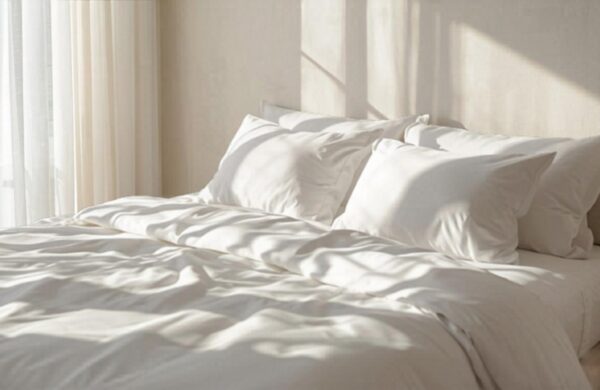
Switch to breathable bedding. This makes a bigger difference than most people expect. Synthetic sheets and duvets trap heat and moisture against your skin, making sweating worse and creating a damp, uncomfortable sleeping environment. Natural materials like bamboo bedding and eucalyptus bedding are moisture wicking and breathable, which means they pull sweat away from your body and allow it to evaporate rather than pooling against your skin.
Reduce your alcohol intake. Especially in the two to three hours before bed. Even cutting back by one or two drinks can make a noticeable difference.
Stay hydrated during the day. Water helps your body regulate temperature. Dehydration can make night sweats worse because your body has less fluid available for efficient cooling.
Exercise regularly, but not right before bed. Regular physical activity helps regulate your body temperature and reduces stress, both of which can reduce night sweats. But intense exercise within two hours of bedtime can raise your core temperature and make sweating more likely.
Choose the right sleepwear. Loose fitting shorts and a t shirt in natural fabric, or just boxers, will serve you better than synthetic pyjamas. Avoid polyester and nylon entirely.
For a complete guide to practical strategies, see our article on how to stop night sweats.
What Happens to Your Sheets When You Sweat Every Night
This is the part most men do not think about until the problem becomes obvious, usually when their sheets start to smell or develop yellow stains.
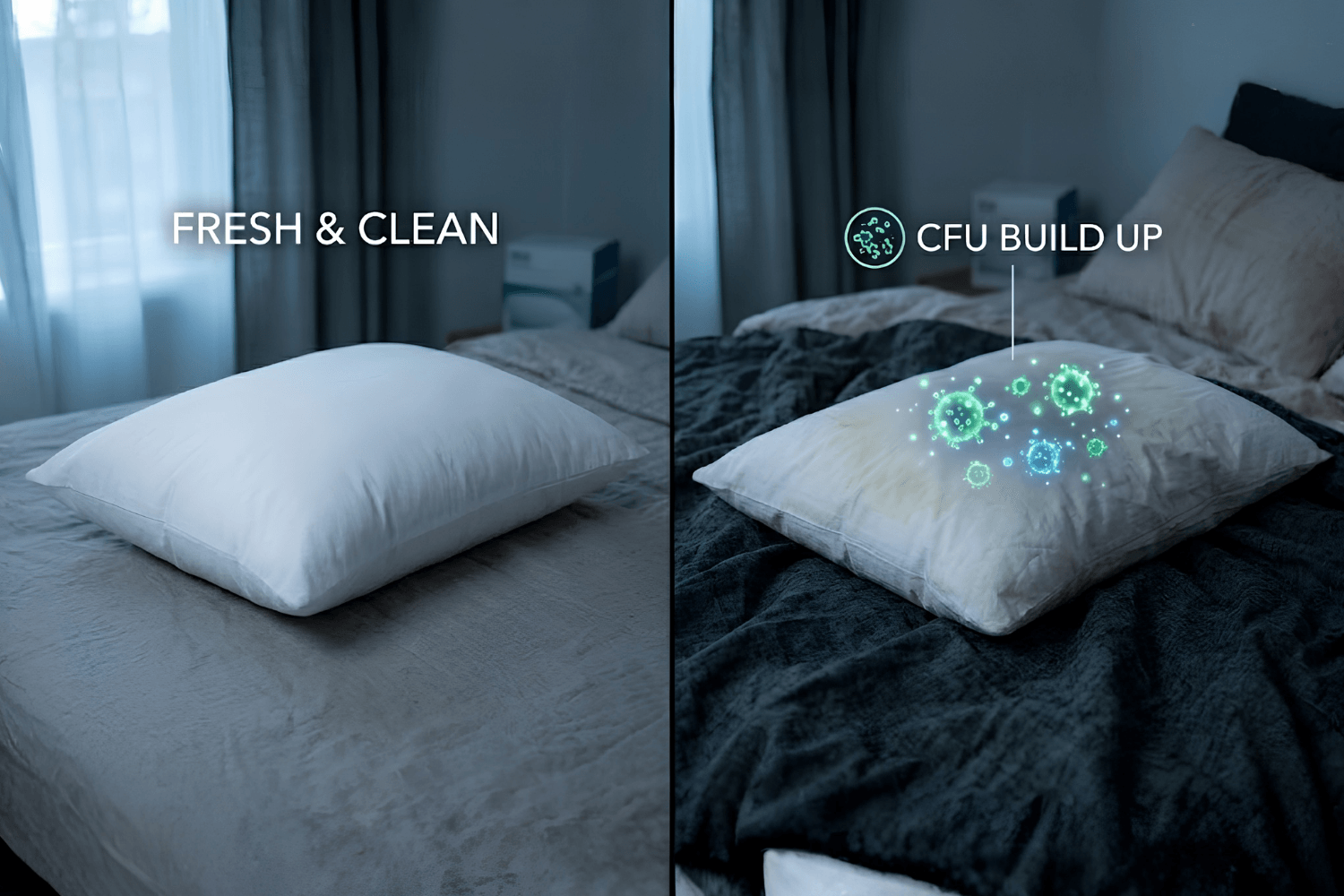
When you sweat into your bedding every night, you are creating a warm, damp environment that bacteria thrive in. Research has found that after just one week of use, sheets contain between 3 and 5 million colony forming units of bacteria per square inch. A pillowcase used for one week harbours roughly 17,000 times more bacteria than a toilet seat. The most common bacteria found were gram negative rods, which are associated with pneumonia and infections. The bacteria feed on the proteins and fatty acids in your sweat, and it is this bacterial activity that causes the smell. Sweat itself is actually almost odourless. The sour, vinegar like, or musty smell that builds up on sheets is entirely down to bacteria.
Beyond the smell, this bacterial buildup can also irritate your skin, contribute to breakouts on your back and chest, and generally make your bed feel unpleasant to get into.
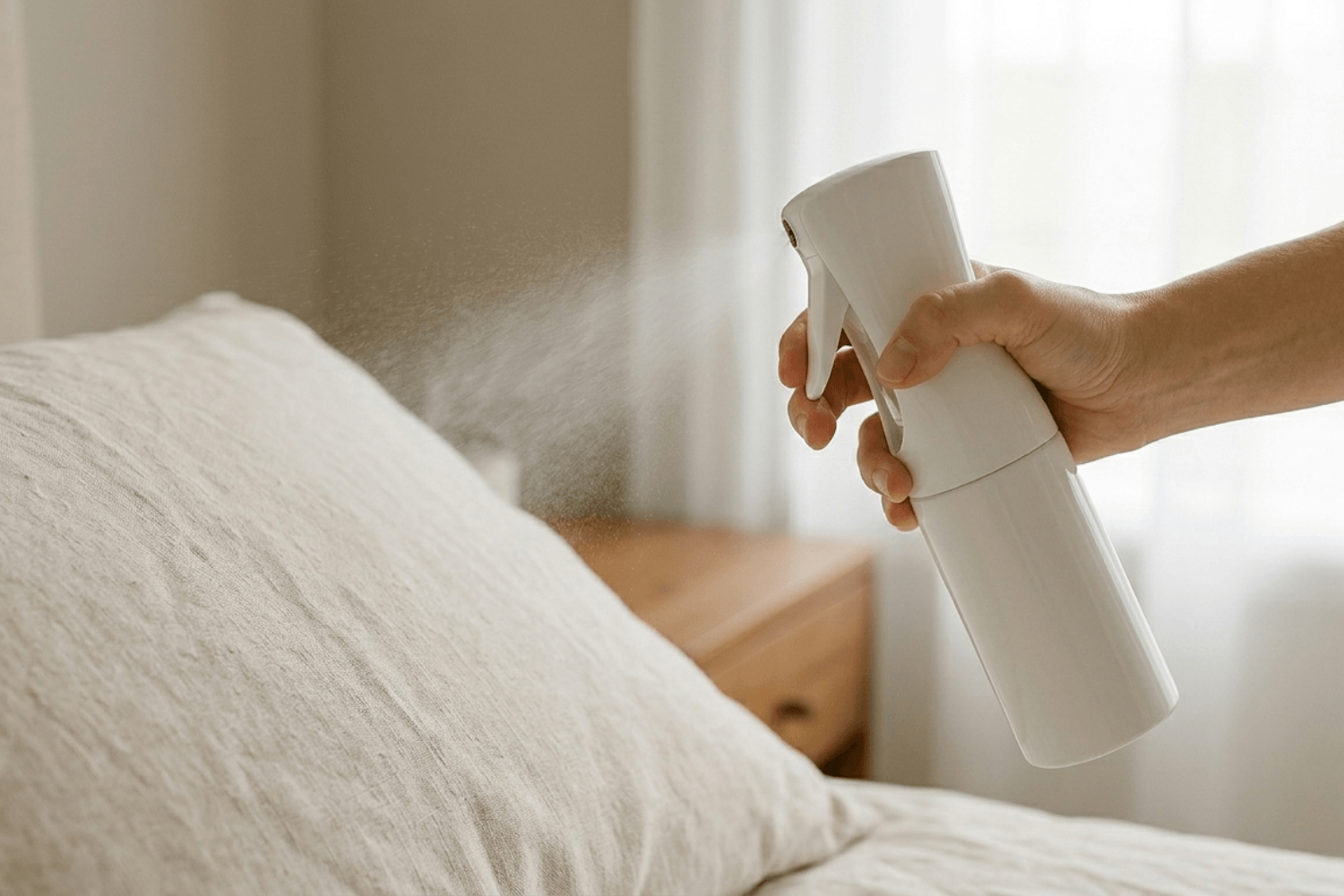
The solution has two parts. First, wash your sheets at least once a week, and more often if you are sweating heavily every night. Second, maintain your bedding between washes. Every morning, pull your duvet back to let everything air out, and use a bedding hygiene spray to tackle the bacteria before they have a chance to multiply. It takes 30 seconds and makes a genuine difference to how your bed feels and smells at the end of the day.
For more on washing frequency and between wash maintenance, see our guide on how often you should wash your sheets.
When Should Men Worry About Night Sweats?
The vast majority of night sweats in men have a straightforward explanation and are not a sign of anything serious. But there are some situations where you should see your GP.
Make an appointment if your night sweats are persistent and drenching (soaking through your clothes and sheets most nights), if they are accompanied by unexplained weight loss, if you have a persistent fever, if you have noticed any lumps or swelling particularly in your neck, armpits, or groin, or if you feel unusually fatigued.
Night sweats can occasionally be associated with more serious conditions. Lymphoma is the cancer most commonly linked to night sweats, and it can affect men of any age. Prostate cancer and kidney cancer can also cause night sweats in some cases. However, cancer is only one of many possible causes, and it is rarely the explanation. Your doctor will typically start with a blood test and a review of your medical history, and in most cases the cause turns out to be something far more manageable.
Do not let fear of a serious diagnosis stop you from getting checked out. Early assessment is always better than worrying in silence. For a full guide to red flags and what your doctor will check, see our article on when to worry about night sweats.